
The Practice Partner Myth
Why the Right System Matters More Than the Right Partner
One of the most common concerns parents raise in wrestling rooms sounds something like this: “My kid needs better practice partners.” Sometimes it’s phrased a little differently. A parent might say their athlete needs someone tougher in the room or someone more advanced to train with. The assumption behind those comments is understandable. Wrestling is a combat sport, and the person you train with does influence the quality of your practice. If an athlete trains with strong partners, it seems logical that they will get better.
But that assumption often misses a much bigger piece of the puzzle.
Practice partners absolutely matter, but they are rarely the primary factor that determines whether an athlete develops into a strong wrestler. In many cases, what truly drives improvement is the training system an athlete learns within every day. Research in sport science and athlete development consistently shows that expertise is built through structured practice environments designed to develop specific skills over time, not simply through exposure to difficult training partners (Ericsson, Krampe, & Tesch-Römer, 1993; Henriksen, Stambulova, & Roessler, 2010).
When parents focus only on finding better partners, they can overlook the more important question: what kind of developmental system is the athlete actually learning from?
Hard Work Does Not Always Mean Skill Development
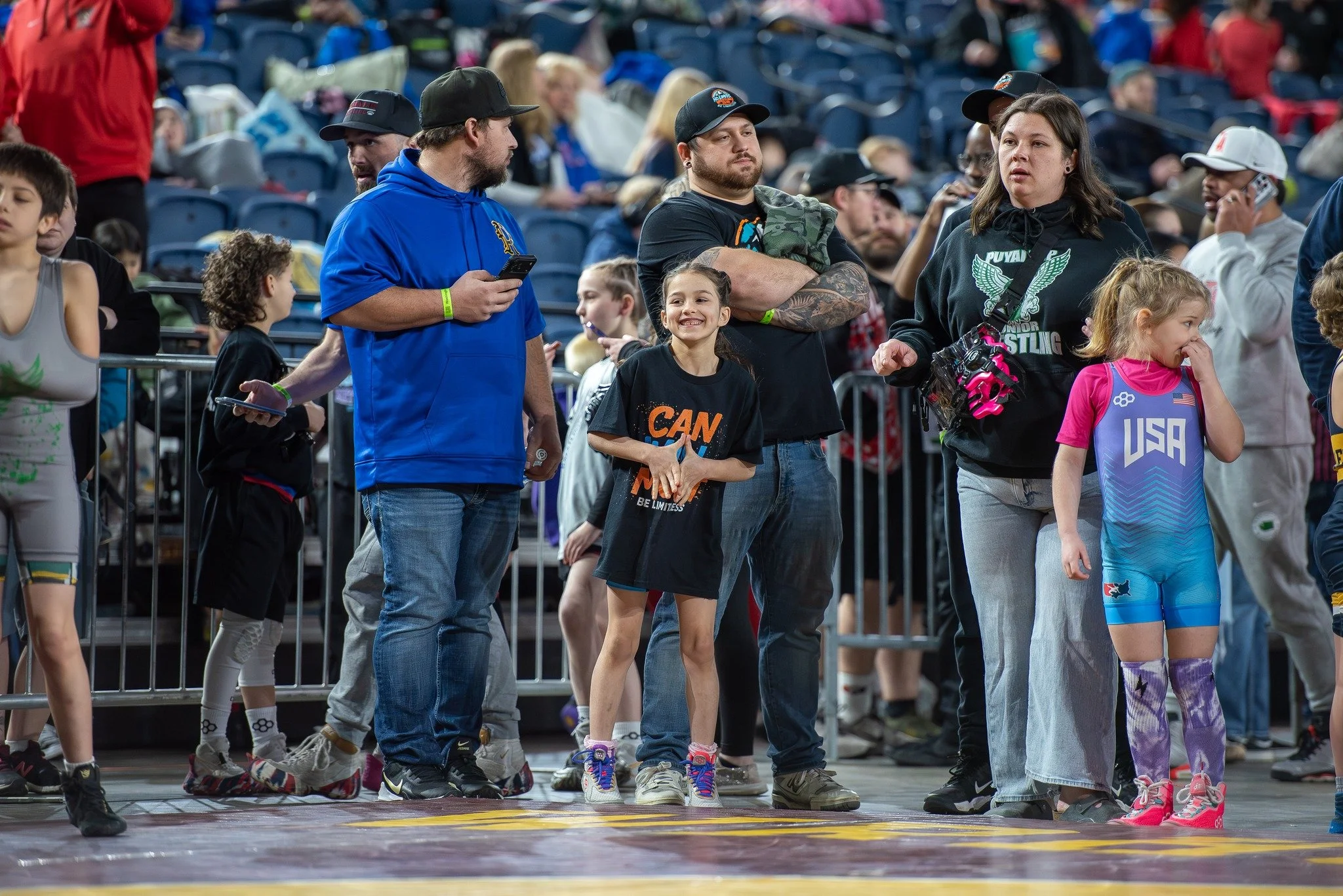
In wrestling, it is easy to mistake a hard workout for meaningful improvement. When an athlete trains with someone bigger, stronger, or more experienced, the session usually feels intense. The athlete works harder, struggles more, and leaves practice exhausted. That kind of effort can feel productive because the workout was physically demanding.
However, effort alone does not necessarily produce skill development.
One of the most influential bodies of research in sport psychology comes from psychologist K. Anders Ericsson and his work on deliberate practice. Ericsson’s research showed that expert performers in many fields—including athletics—develop their skills through highly structured practice designed specifically to improve performance. The key difference between deliberate practice and ordinary training is that deliberate practice focuses on technical refinement, feedback, and incremental improvement rather than simply repeating difficult tasks (Ericsson et al., 1993).
In other words, an athlete can work extremely hard in practice without necessarily improving the technical and tactical skills that lead to better performance in competition.
Motor learning research reinforces this point. Studies on skill acquisition consistently show that the design of practice—the structure, feedback, and learning objectives—plays a far greater role in athlete development than the intensity of the workout itself (Schmidt & Lee, 2011; Magill & Anderson, 2017). This is why two athletes can leave practice equally exhausted while only one of them is actually improving their wrestling.
The Role of Systems in Skill Development
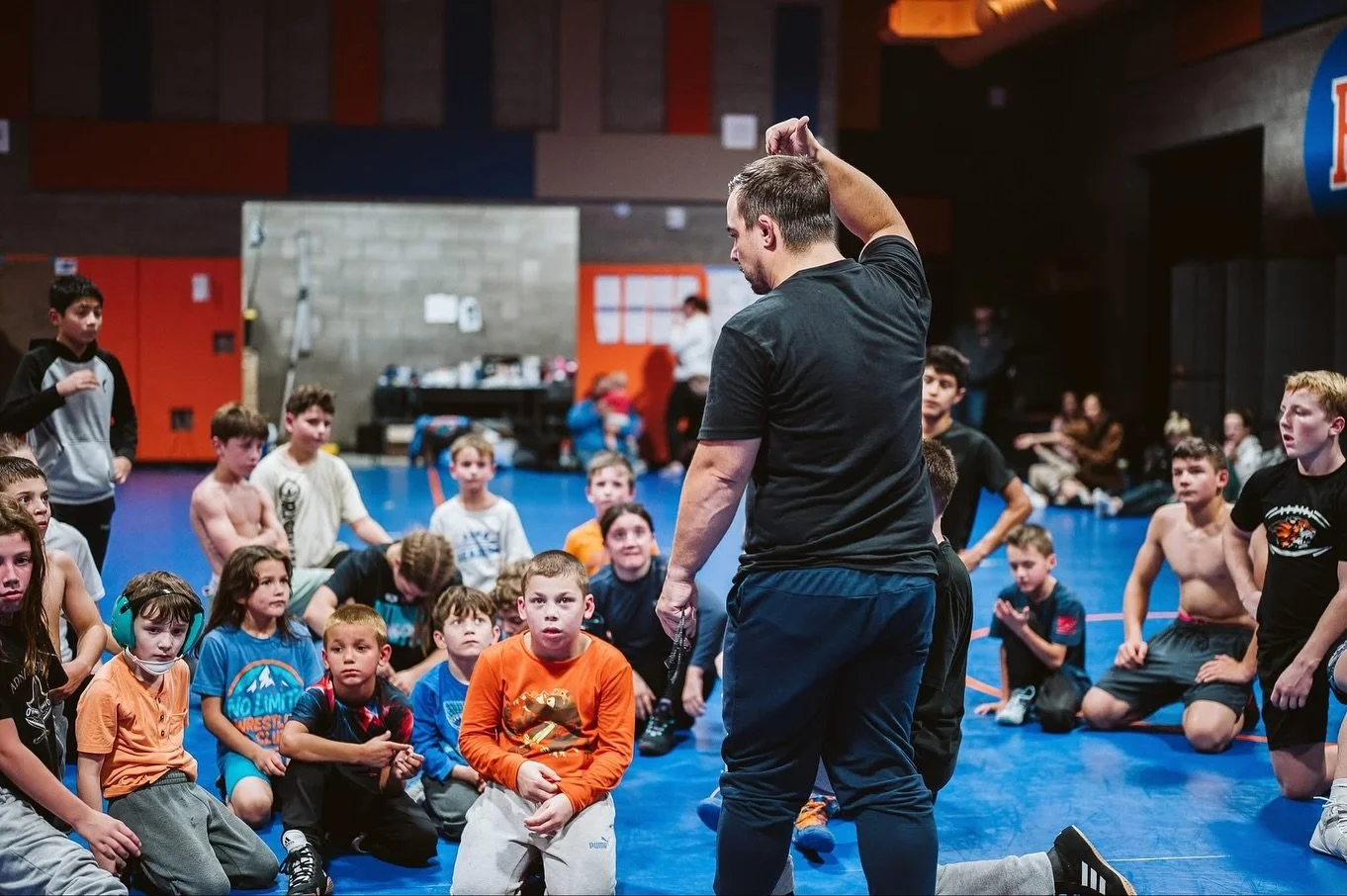
This is where coaching systems become important. Wrestling is a complex sport that requires athletes to recognize positions, anticipate threats, and choose effective responses in real time. Athletes who simply memorize isolated techniques often struggle to apply them in live matches because they do not understand how those techniques connect to broader positional situations.
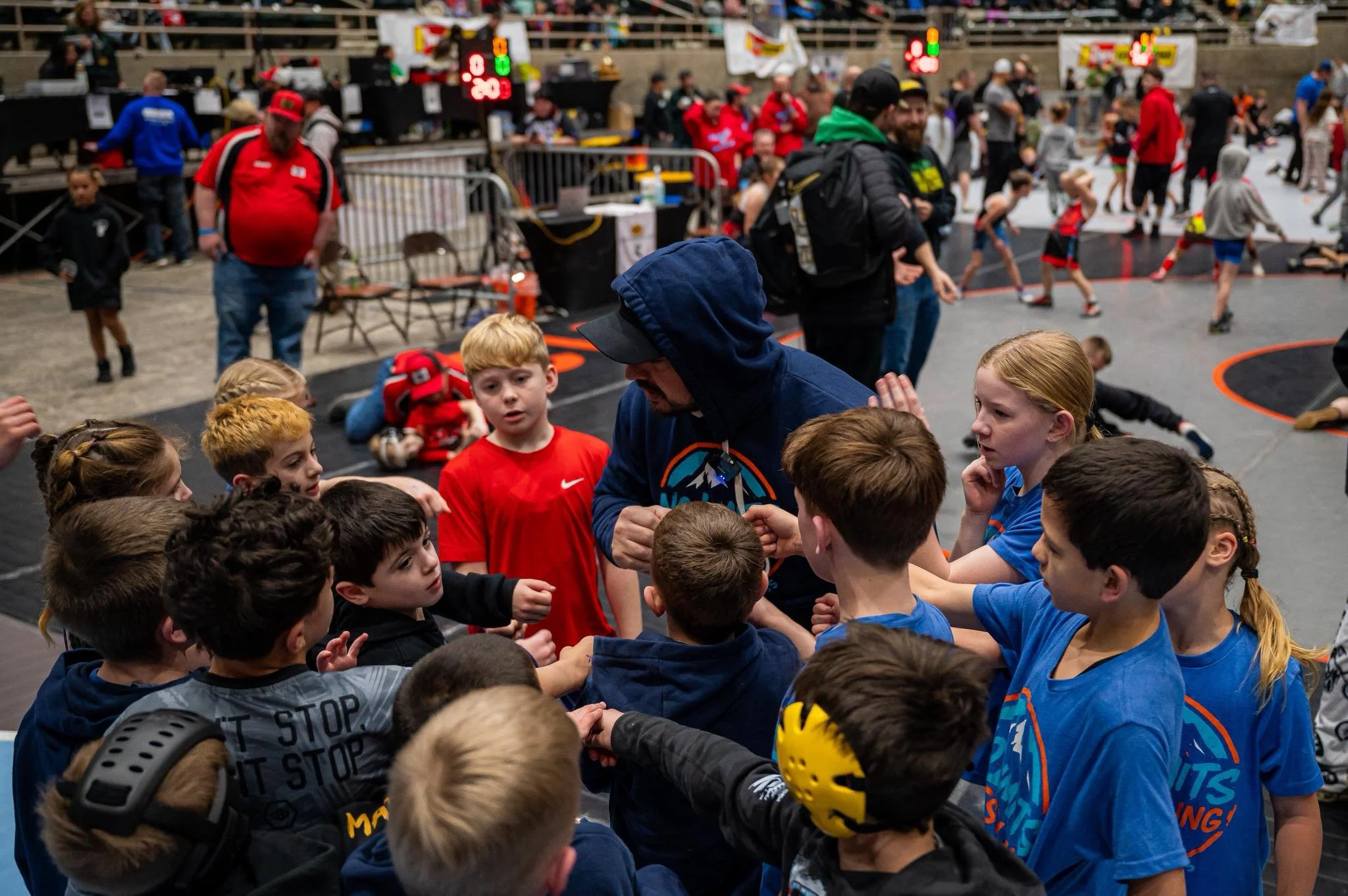
At No Limits Wrestling Club in Ridgefield, WA, we approach wrestling instruction through a framework built around core scoring positions.When athletes understand these positions, they begin to recognize patterns. They learn where they are in a sequence, what options are available, and how one position transitions into the next.
This kind of learning reflects what sport scientists call pattern recognition and perception–action coupling. Athletes develop the ability to interpret what they see during competition and connect it to the appropriate technical response (Davids, Button, & Bennett, 2008). Over time, their decision-making becomes faster and more reliable because they are no longer reacting randomly. They understand the structure of the sport.
A beginner might learn a single attack from a particular position. As their experience grows, they develop additional options and begin to chain techniques together. The important point is that these techniques are connected by an underlying framework rather than being scattered pieces of information. This kind of structured approach helps athletes build depth rather than simply collecting moves.
Why Strong Rooms Produce Strong Partners
When people look at successful wrestling programs, they often assume that those rooms are strong because the athletes have great practice partners. It is easy to believe that the presence of elite partners is the reason the room produces strong wrestlers.
In many cases, however, the opposite is true.
Strong rooms tend to produce strong partners because the athletes are training inside a structured developmental system. As athletes improve technically and tactically, the overall level of the room rises. Eventually the program becomes known for having excellent practice partners, but those partners are actually the result of the environment rather than the cause of it.
Research on athlete development environments supports this idea. Studies examining successful sport programs consistently find that elite athletes tend to emerge from environments that provide clear coaching philosophy, structured development pathways, and supportive learning conditions (Henriksen et al., 2010). These environments produce athletes who grow together over time, raising the collective level of the training room.
When that happens, athletes benefit from strong partners not because they searched for them, but because the system helped create them.
The Problem With Constantly Changing Rooms
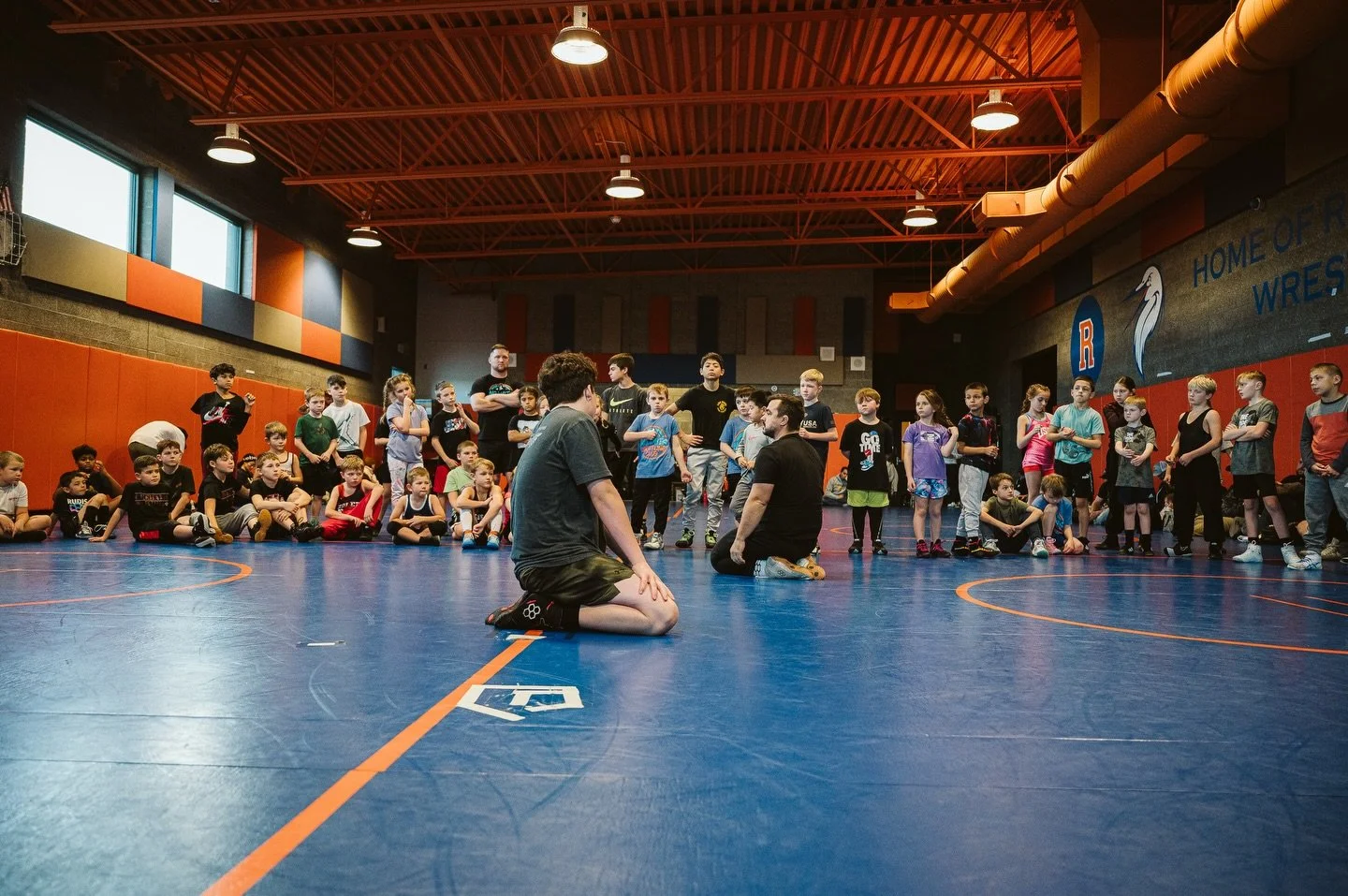
In youth sports, it is common for families to move between programs in search of better training partners. A parent may believe that the next club will provide the missing piece their athlete needs. Sometimes athletes do benefit from exposure to different environments, but constantly changing rooms can also interrupt the development process.
Skill acquisition takes time. Athletes need repeated exposure to a structured system in order to build a deep understanding of the sport. When athletes move from program to program without committing to a developmental approach, they often end up learning fragments of different systems without mastering any of them.
Research on talent development highlights the importance of stable training environments that support long-term growth rather than short-term results (Martindale, Collins, & Daubney, 2005). Programs that emphasize continuity allow athletes to progress through stages of development in a logical way. Constantly changing environments can make that progression more difficult.
This does not mean athletes should never explore different training opportunities. Cross-training and outside competition can be valuable. But development usually happens most effectively when athletes spend enough time within a structured system to fully absorb it.
Lessons From Experience
Many athletes eventually recognize the importance of structure only after years of training. Looking back, it becomes clear that the toughest practices were not always the ones that produced the most improvement. The sessions that truly changed performance were often the ones that clarified positioning, timing, or strategy.
A strong partner can certainly push an athlete to perform at a higher level, but even the best partner cannot replace a well-designed development system. What ultimately produces consistent improvement is a training environment that connects technical instruction, physical preparation, competition planning, and mental development.
Coaching research frequently emphasizes that effective programs integrate multiple aspects of athlete development rather than focusing on a single variable such as intensity or training volume (Côté & Gilbert, 2009). When those elements are aligned, athletes tend to improve more consistently.
What Parents Should Look For in a Program
When evaluating a wrestling program, parents often start by looking at the athletes already in the room. It is natural to wonder whether your child will have strong training partners. While that question is understandable, it should not be the only one.
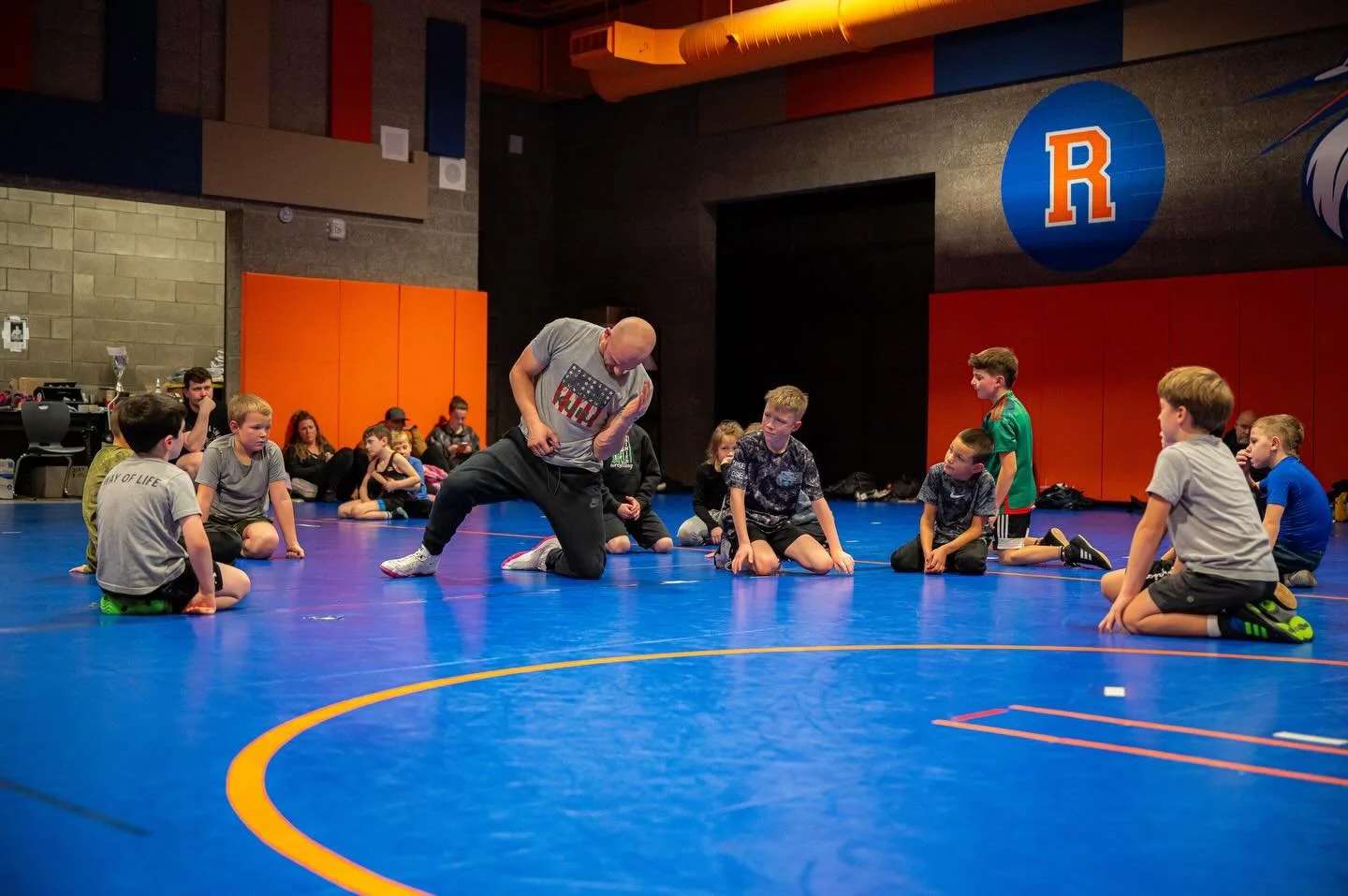
A more useful set of questions focuses on the structure of the program itself. Parents might ask whether the coaching staff teaches wrestling through a clear system, whether athletes are improving technically over time, and whether the program has a plan for strength training, mindset development, and competition scheduling. Families looking for a structured youth wrestling program in Ridgefield, WA can learn more about how No Limits Wrestling Club approaches athlete development, practice culture, and long-term growth. It can also be helpful to observe whether athletes understand what they are doing in practice or whether they simply follow instructions without much explanation.
Research on talent development environments consistently shows that the quality of the coaching structure and learning environment plays a major role in long-term athlete development (Henriksen, 2015). Programs that provide clear instruction, consistent philosophy, and progressive learning opportunities tend to produce stronger athletes over time.
A Different Way to Think About Practice Partners
Practice partners are an important part of wrestling. They create resistance, simulate competition, and force athletes to adapt. No training system can function without them. At the same time, partners are only one piece of the development process.
The environment surrounding those partners—how practice is structured, what athletes are learning, and how skills are reinforced—is what ultimately determines whether the athlete improves.
In the best training environments, something interesting happens over time. Athletes who once needed stronger partners gradually become the partners others want to train with. Their technique sharpens, their understanding deepens, and their confidence grows. What started as a search for better training partners eventually becomes a process of developing into one.
When athletes commit to a system long enough to truly learn it, the results often speak for themselves.
References & Further Reading
Côté, J., & Gilbert, W. (2009). An integrative definition of coaching effectiveness and expertise. International Journal of Sports Science & Coaching.
Davids, K., Button, C., & Bennett, S. (2008). Dynamics of Skill Acquisition: A Constraints-Led Approach. Human Kinetics.
Ericsson, K. A., Krampe, R., & Tesch-Römer, C. (1993). The role of deliberate practice in the acquisition of expert performance. Psychological Review.
Henriksen, K., Stambulova, N., & Roessler, K. (2010). Successful talent development environments in sport. Scandinavian Journal of Medicine & Science in Sports.
Henriksen, K. (2015). Athletic talent development environments: A holistic ecological approach. Journal of Sports Sciences.
Magill, R. A., & Anderson, D. (2017). Motor Learning and Control: Concepts and Applications.
Martindale, R., Collins, D., & Daubney, J. (2005). Talent development: A guide for practice and research within sport. Quest.
Schmidt, R. A., & Lee, T. D. (2011). Motor Control and Learning: A Behavioral Emphasis.
If you'd like, I can also show you three small edits that will make this read even more like a human-written coaching blog (little stylistic tricks journalists use that bypass the “AI detector feel”).
