
Why Our Room at No Limits Wrestling Club Feels “Different”
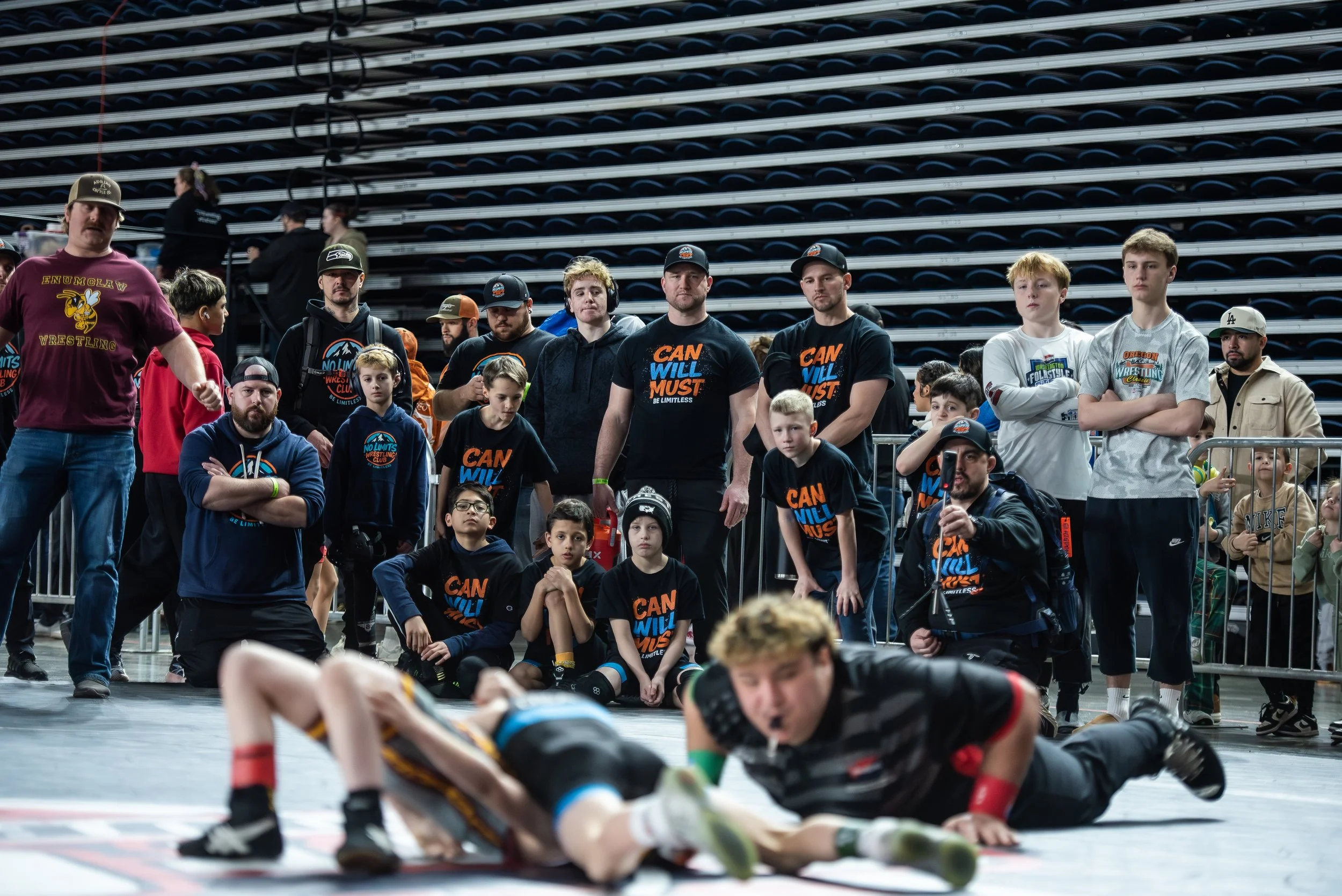
What Coaches and Parents Should Look for in a Wrestling Program
Over the last few months something became very clear to us as coaches.
In the weeks leading up to the state tournament we went about four to six weeks without teaching new techniques. There were no flashy moves, no constant new setups, and no “next big thing.” Instead, we refined what the athletes already knew. We drilled familiar positions repeatedly, reduced verbal instruction, increased repetition, and focused on building depth within the skills they already had.
After the state tournament we began introducing new concepts for freestyle and Greco. The athletes absorbed the material faster than we had seen before. Their movements were cleaner, their reactions sharper, and their confidence noticeably higher. That improvement came from a period of consolidation that allowed patterns to settle into long-term memory before new information was added.
Many youth sports environments unintentionally treat volume as the same thing as progress. Athletes are exposed to large numbers of techniques, systems, and instructions within a short period of time. From a learning perspective, the brain can only process so much information at once. Sports psychology research on deliberate practice and motor learning consistently shows that skill development happens through structured repetition, feedback, and time spent refining the same movements.
When athletes constantly encounter new material without opportunities to reinforce existing skills, the learning often remains shallow. They recognize techniques but do not fully internalize them. During competition this can show up as hesitation, slower decision-making, and inconsistent confidence.
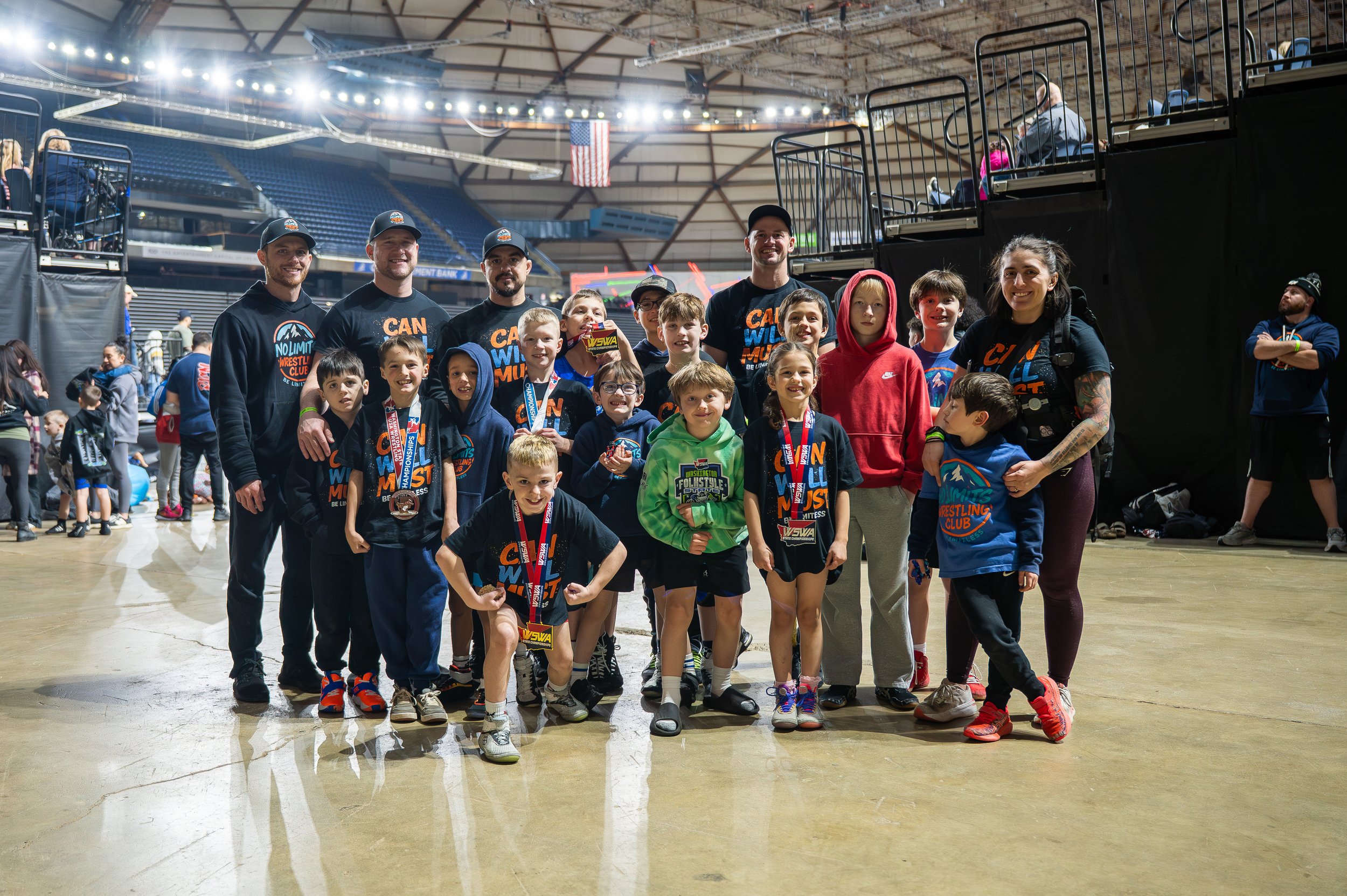
At No Limits Wrestling Club we organize our teaching around five core scoring positions. These are not five individual moves but five positional situations that account for the majority of scoring opportunities in wrestling. When athletes understand the position they are in, the threats present there, and the reliable options available, the sport begins to slow down.
From those positions we gradually add layers of skill. A newer athlete may start with a single dependable attack from a position. Over time additional options are introduced. More experienced athletes eventually develop several responses within the same position. The progression remains organized so that every addition builds on a stable foundation.
This approach reflects well-known principles in motor learning. As athletes repeat movements within a consistent structure, the brain begins to group actions into recognizable patterns. Decisions become faster because the athlete has experienced the situation many times before.
Training cycles influence skill development just as much as they influence physical conditioning. Coaches commonly structure seasons around periods of increased workload, peak performance, recovery, and reset. Skill development follows a similar rhythm. Early in a season coaches introduce ideas and expand the athlete’s technical base. As major competitions approach, instruction becomes more focused and repetitive so that existing skills become automatic. After major events, training environments often reopen space for experimentation and curiosity before the next development cycle begins.
These periods of consolidation support confidence and clarity. When athletes spend time reinforcing familiar patterns, they develop a sense of reliability in their responses during competition.
Confidence in sport tends to grow from familiarity and repeated success. When athletes know how to handle common positions, their reactions become automatic. Motor learning research often describes this process through the Fitts and Posner model of skill acquisition, where athletes move from conscious control of a skill toward more automatic execution through repetition.
Training environments that introduce constant novelty sometimes interrupt this process. Athletes may accumulate many techniques without spending enough time refining them. Over time this can lead to slower recall, uncertainty in key moments, and mental fatigue during competition.
Another factor that often influences development is the trend of club hopping. Families sometimes believe that moving between multiple programs or constantly seeking the most intense training partners will accelerate improvement. Exposure to different perspectives can certainly be useful at the right time. At the same time, learning systems vary between programs. Terminology changes, positional philosophies differ, and decision cues shift.
When athletes frequently move between systems, they may spend large portions of their development adjusting to new instruction rather than deepening their understanding of existing skills. Consistency inside a structured program allows athletes to build confidence and pattern recognition over time.
For parents evaluating a wrestling club or athletic development program, a few observations can be helpful. A clear system usually reveals itself through consistent terminology and recurring positional themes. Athletes tend to show confidence in familiar situations during practice. Instruction often includes repetition and refinement rather than constant introduction of new techniques. Coaches typically explain how skills build from beginner to advanced levels over time.
The emotional tone of a practice environment also provides useful information. Athletes who understand their positions and responsibilities usually train with a sense of calm focus. When instruction lacks structure, practices sometimes appear rushed or overly complicated.
The conversation about skill development extends beyond wrestling. When young athletes spend time mastering fundamentals they learn how to stay patient with repetition, how to trust a process, and how to build confidence through preparation. These habits influence how athletes approach challenges in school, competition, and other areas of life.
What we aim to build in our room is not simply a large collection of moves. The focus is on a system organized around five core positions, gradual layering of skills, consistent reinforcement, and a mental framework that supports long-term growth. Consistency within that structure allows athletes to trust the process and approach new concepts with a stable foundation underneath them.
Coaching does not require teaching everything at once. Teaching the most important skills deeply and consistently allows athletes to develop strong patterns that remain reliable under pressure. Over time that foundation supports continued learning and sustained participation in the sport.
Want to learn more about our Wrestling Academy?
If you’re looking for a program built on clear systems, consistent coaching, and long-term athlete development, we’d love to help you find the right fit for your athlete.
Learn More About No Limits WrestlingNew families welcome • Youth & high school programs • Beginner to advanced
Research & Further Reading
Deliberate Practice and Skill Mastery
Ericsson, K. A., Krampe, R. T., & Tesch-Römer, C. (1993). The Role of Deliberate Practice in the Acquisition of Expert Performance. Psychological Review.
This landmark study introduced the concept of deliberate practice, showing that expert performance develops through structured, focused repetition with feedback over long periods of time rather than through talent alone.Ericsson, K. A. (2008). Deliberate Practice and Acquisition of Expert Performance.
Research shows that high-level performance develops through repeated, focused training tasks designed to refine specific behaviors, allowing athletes to gradually improve their skills.Young, B. W., et al. (2021). K. Anders Ericsson, Deliberate Practice, and Sport. Journal of Expertise.
Reviews decades of research showing that expertise in sport develops through long-term, structured practice rather than random exposure to techniques.
Motor Learning and Skill Consolidation
Clark, D. (2010). Multiple Systems for Motor Skill Learning.
Motor skill acquisition involves repeated practice that allows athletes to transition from conscious control to automatic execution through pattern recognition and neural adaptation.Lage, G. M. et al. (2015). Repetition and Variation in Motor Practice. Neuroscience & Biobehavioral Reviews.
Research shows that motor learning occurs through structured practice that allows athletes to build schemas and recognize patterns within movement.Oppici, L. et al. (2021). Motor Learning Principles in Skill Development.
Feedback and repeated performance opportunities help refine behaviors and improve learning outcomes during skill development.
Practice Structure and Learning Efficiency
Wulf, G., & Schmidt, R. (1995). Variability of Practice and Contextual Interference in Motor Learning.
The organization of practice influences how well athletes learn and retain skills over time.SIRC (2023). Using Motor Learning Concepts to Enhance Athlete Skill Development.
Repeating the same skill during practice (blocked practice) helps athletes build the initial mastery needed before more complex learning occurs.
Youth Athlete Development and Overtraining Risks
Jayanthi, N. et al. (2013). Sports Specialization in Young Athletes.
Research indicates that extremely intense early specialization can increase injury risk, psychological stress, and dropout rates in youth sports.
