
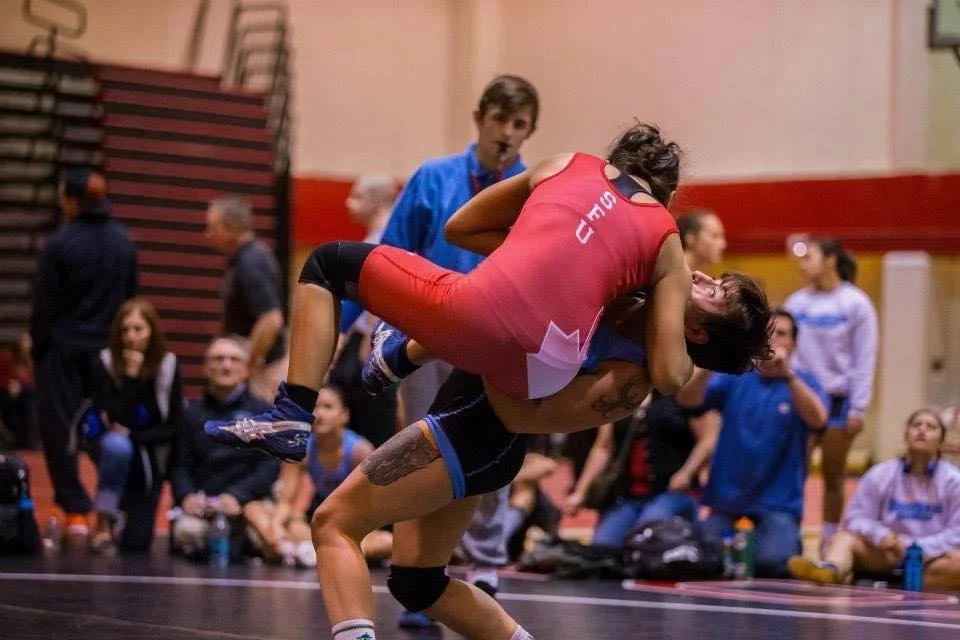
How to narrow down college wrestling programs as a female athlete getting ready to graduate
With more women’s college wrestling programs than ever before, athletes have more choices and more decisions to make. This guide walks female wrestlers through academics, coaching, division, finances, burnout risk and the factors that can help them choose a program they can actually thrive in.
Grinding, motor learning, and the wrestler’s technical toolbox | The No Limits Approach to Building a Competitor
More work does not automatically create more skilled wrestlers. Intentional youth wrestling development requires coaches to build reliable positions, technical connections, and motor patterns that athletes can access under pressure.
Six weeks matter: what you do before wrestling season shows up on the mat
Six weeks of intentional preseason training can make a noticeable difference in how a wrestler enters the season. Targeted strength, conditioning, mobility, explosive training, and proper nutrition help athletes build the physical capacity to handle wrestling practices, recover more efficiently, and perform at a higher level. Learn why preseason preparation matters and how smarter training can give wrestlers a head start before folkstyle competition begins.
Coaching Athletes Through Split-Family Dynamics Without Becoming the Middleman
Coaching athletes through split-family dynamics requires boundaries, leadership, and emotional discipline. This blog explains how coaches can support young athletes navigating divorce, inconsistent households, and family conflict without becoming the middleman between parents.
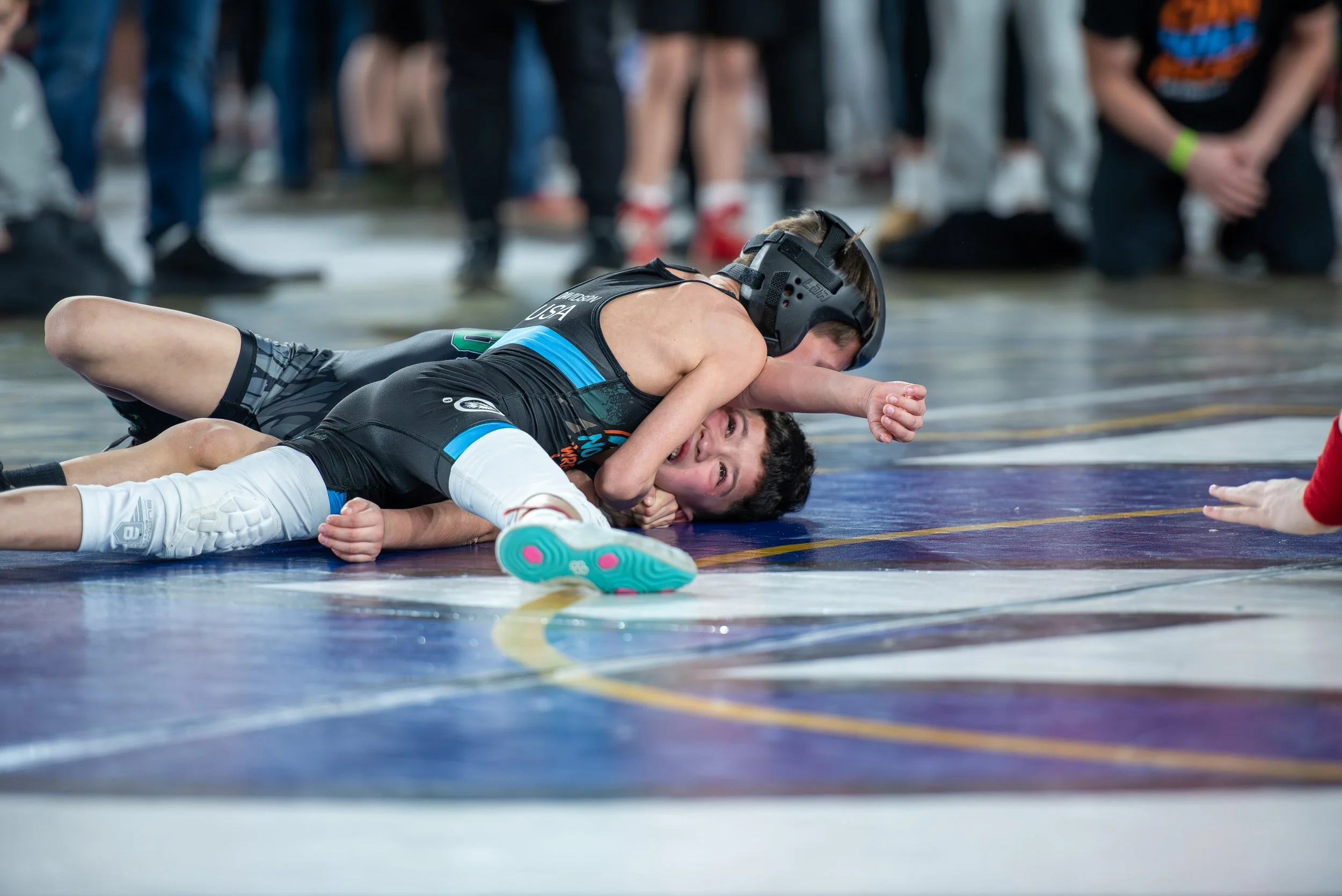
The Six-Week Summer Visitation Problem: Why Athletes Lose Momentum
Summer visitation schedules can create major setbacks for young athletes trying to build consistency, discipline, and long-term development. This blog breaks down why athletes lose momentum during extended summer breaks, how split-family dynamics affect training, and what parents and coaches can do to protect progress without creating burnout.
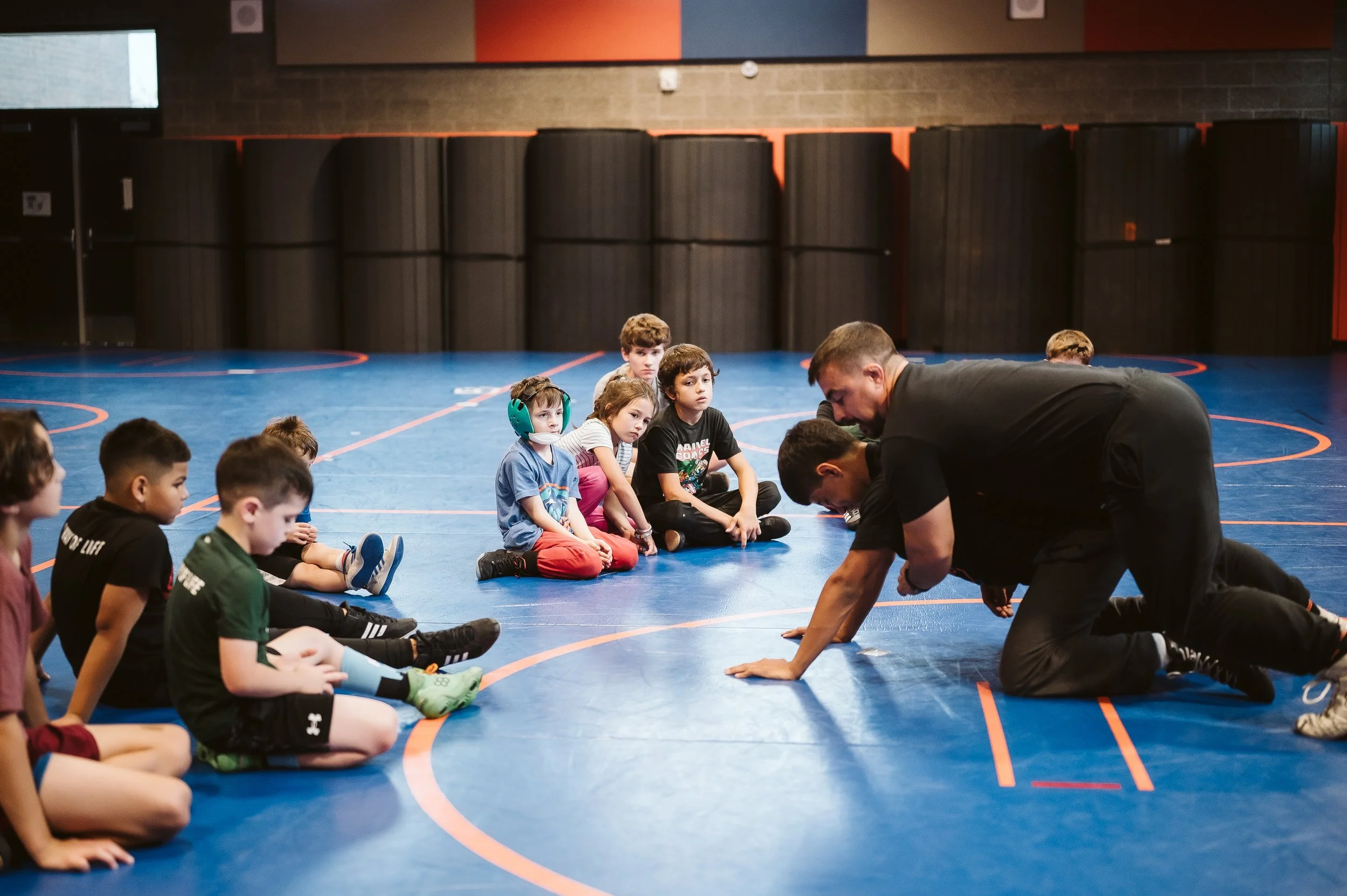
Athlete Sleep in the Summer: Why Sleeping Until Noon Isn’t Recovery
Sleeping until noon is not the same as recovery. This blog explains why sleep quality, consistent routines, circadian rhythm, and intentional recovery matter more than extra hours in bed for youth athletes, wrestlers, and long-term performance.

Why Summer Running Matters Even for Wrestlers
Summer running is one of the most overlooked tools for wrestler development. This blog explains why Zone 2 conditioning, aerobic base building, and offseason running help wrestlers recover faster, train harder, and perform better when competition season returns.
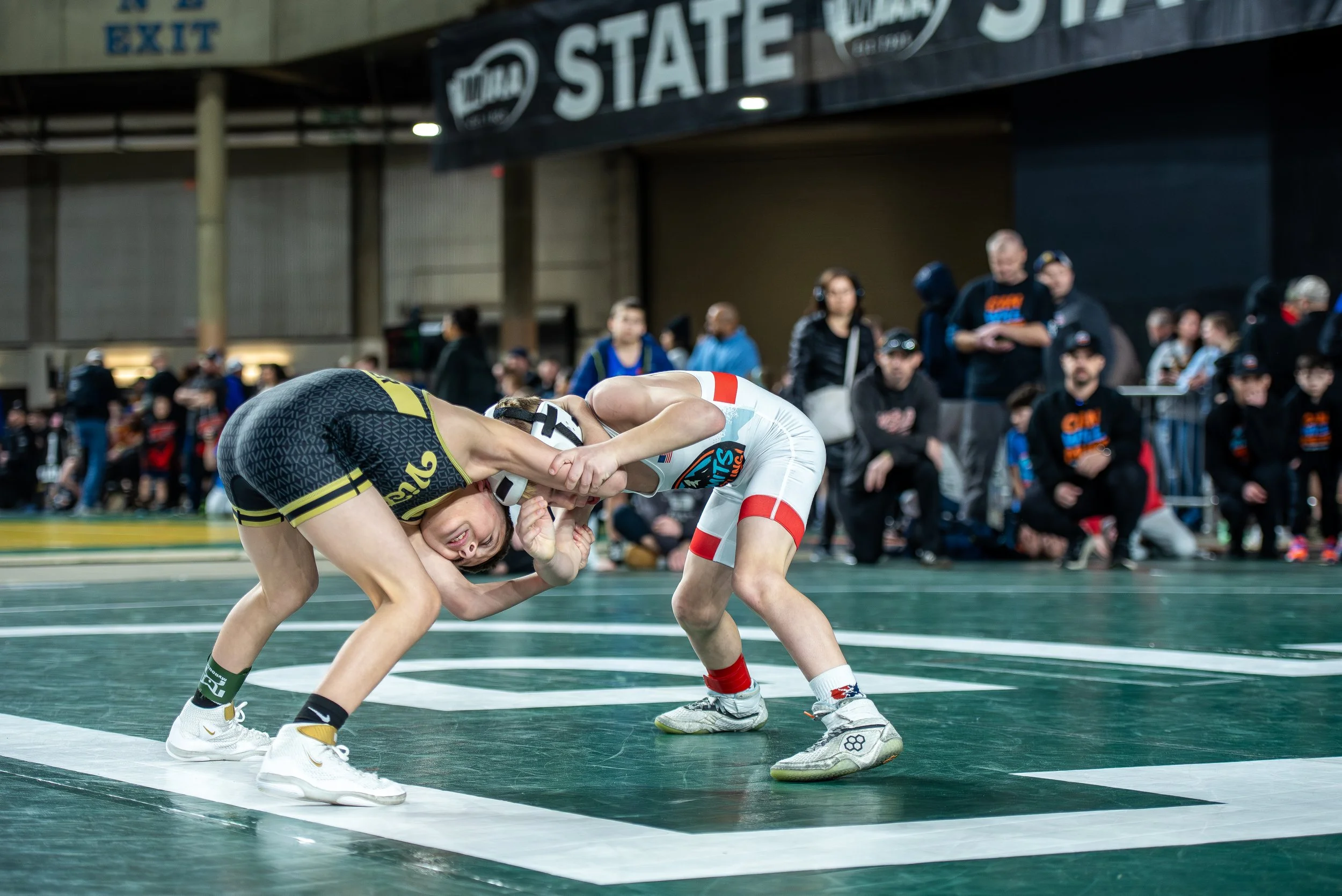
Stop Obsessing Over Your Athlete Only Playing One Sport
Many parents believe year-round specialization is the fastest way to create success in wrestling, but forcing athletes into one sport often creates burnout, resentment, and stalled development. This article explains why multi-sport athletes often perform better long term and how parents can support growth without creating unnecessary pressure.
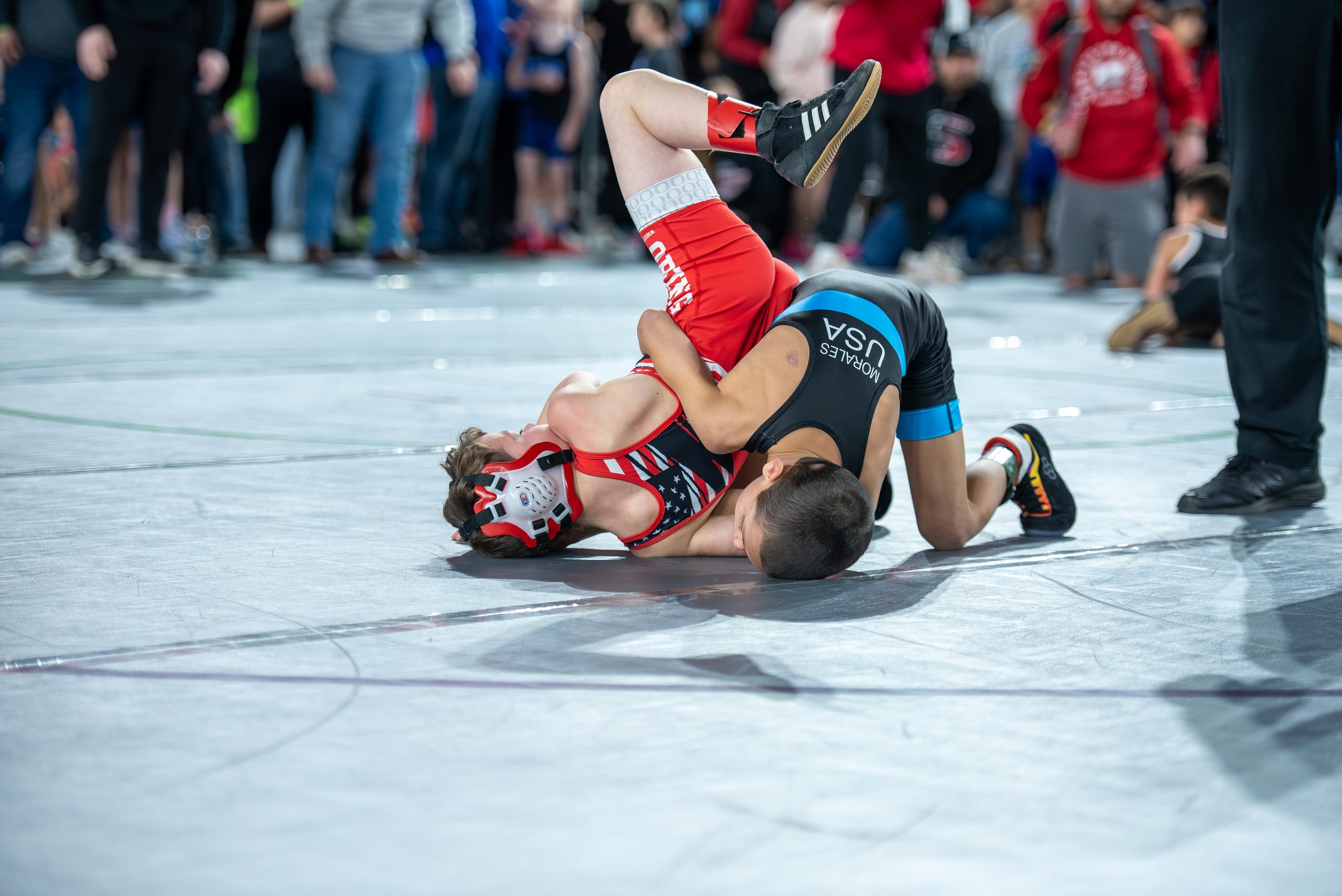
When It’s Time for an Athlete to Take a Break
Many parents assume more training always leads to better results, but constant pressure often creates burnout instead of growth. This article breaks down how to recognize when an athlete needs recovery, when another sport may actually help development, and how parents can protect long-term success instead of chasing short-term wins.
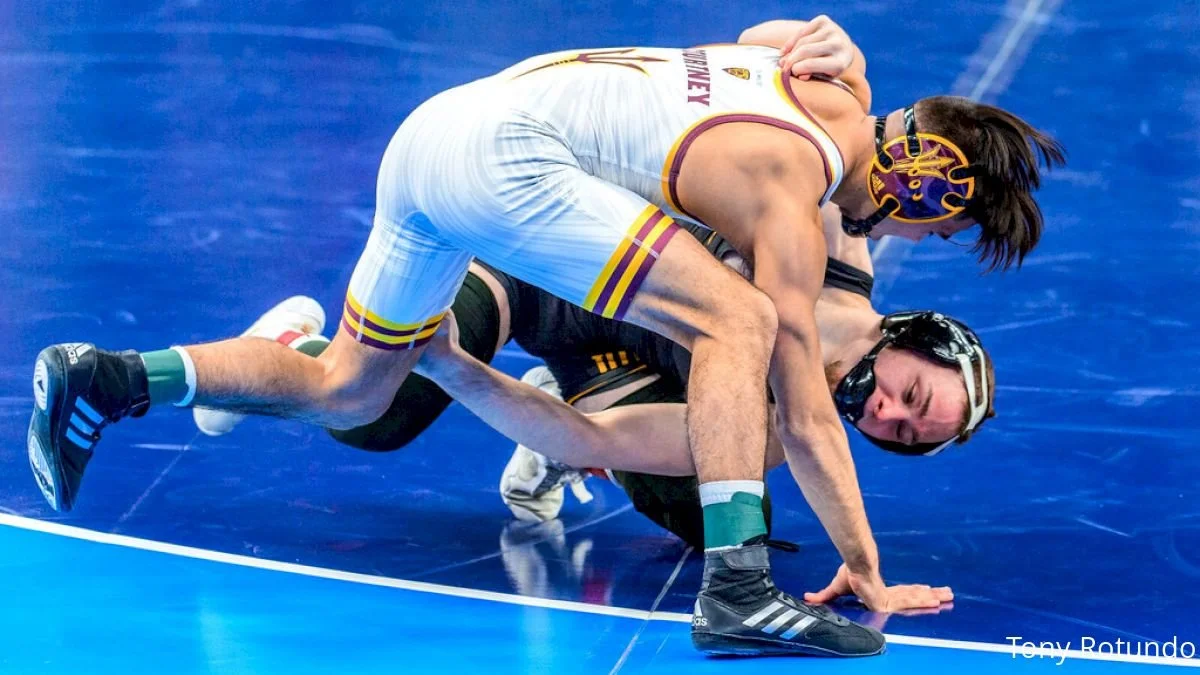
The Push-Out Rule Debate in Folkstyle Wrestling: Progress or Erosion of Identity?
The push-out rule debate is gaining serious traction in wrestling. Some believe it will increase action, reward aggression, and modernize the sport, while others argue it undermines decades of technical development, especially scoring at the edge of the mat. This article breaks down both sides of the argument and what it could mean for the future of folkstyle wrestling.
An Open Letter to Parents of Girl Wrestlers | From Coach Kassi - No Limits Wrestling Club, Ridgefield, WA.
Girls wrestling is growing fast, but not all opportunities lead to real development. In this open letter, Coach Kassi breaks down where women’s wrestling came from, where it’s going, and why freestyle-focused events like Spokane matter far more than traditional tournaments like Reno for female athletes.
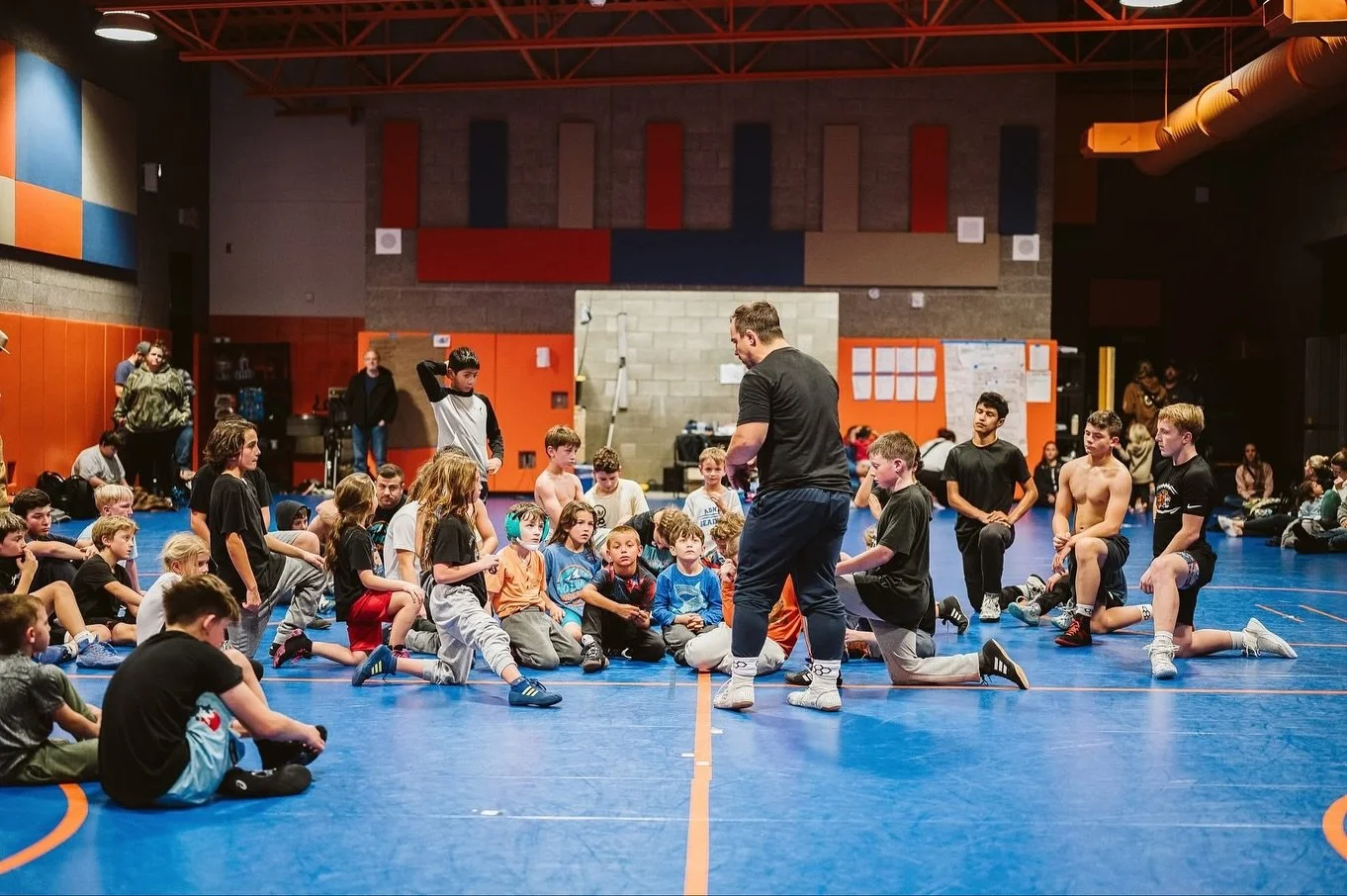
The Practice Partner Myth
Many parents believe the key to improvement in wrestling is finding stronger practice partners. While training partners matter, long-term athlete development is usually driven by something much bigger: the training system athletes learn within every day.
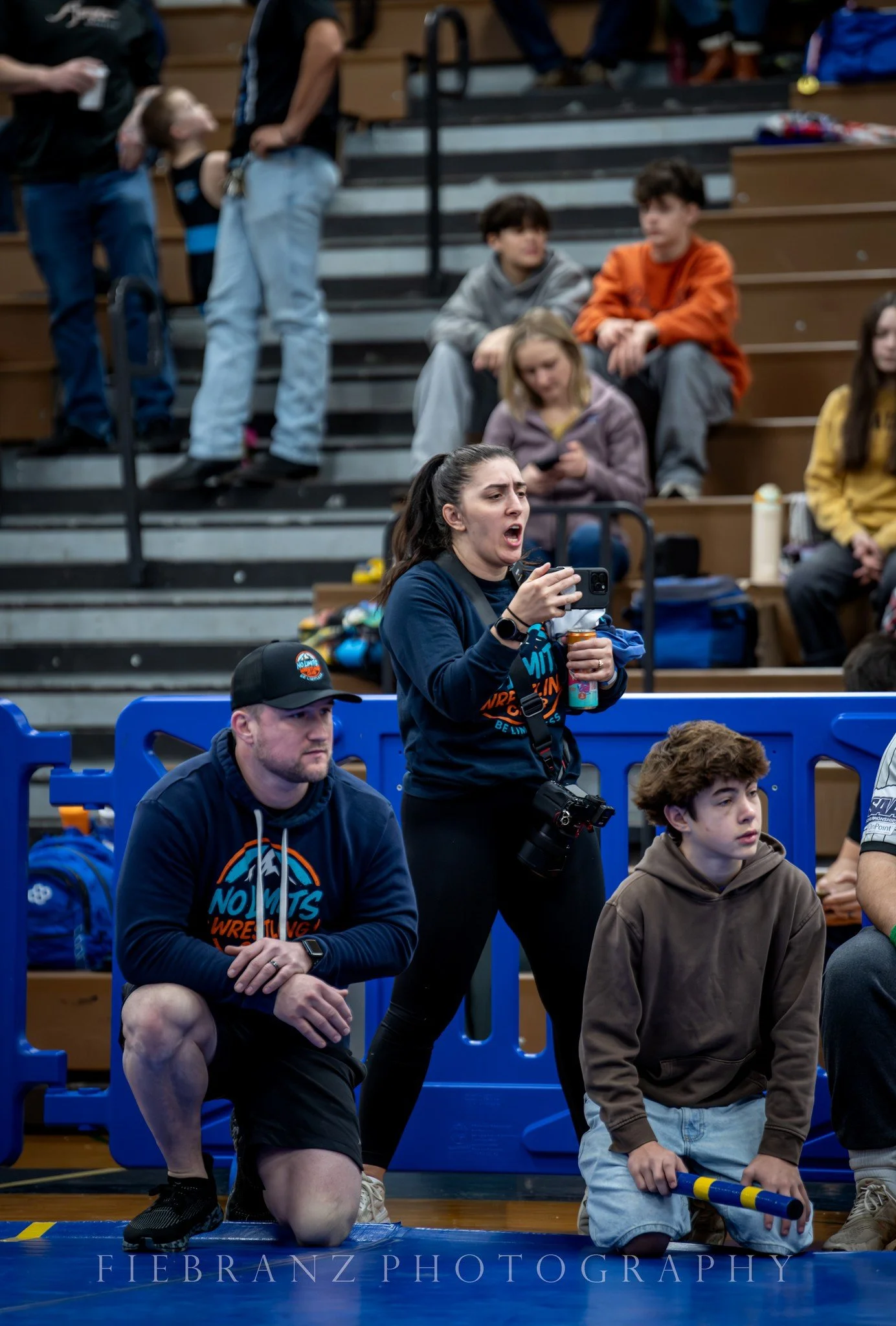
Why Our Room at No Limits Wrestling Club Feels “Different”
Many youth wrestling programs focus on teaching more moves and pushing harder training. Real development comes from repetition, clear systems, and consistent coaching that allow athletes to build confidence and long-term skill.

No Limits Wrestling Club Competes at the Tacoma Dome in First Season as a Program
No Limits Wrestling Club, serving youth wrestlers from Woodland, Ridgefield, La Center, Battle Ground, and communities along the I-5 corridor, competed at the Tacoma Dome during the WSWA and WIAA State Championships. In its first season as a program, the club earned multiple state placers across youth and high school divisions, highlighting a developmental approach focused on fundamentals and long-term athlete growth.
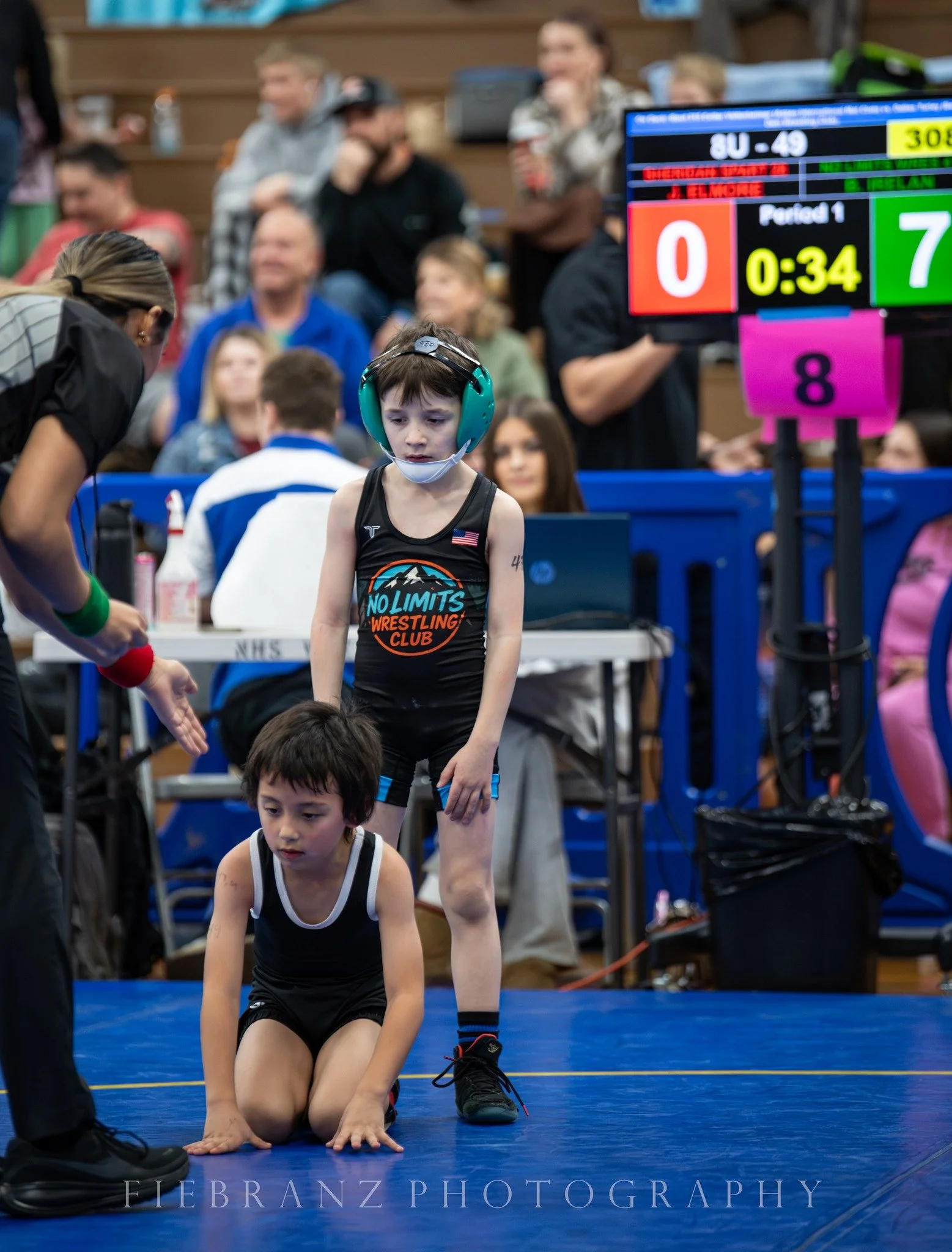
When Pressure Boils Over: Why the Wrestling Room Is the Safest Place for Emotional Growth
As pressure increases in youth wrestling, emotional responses often surface. Rather than signaling failure, these moments offer critical insight into how athletes process stress, regulate emotion, and recover under guidance. This article explores why the wrestling room—when coached intentionally—is one of the safest environments for young athletes to struggle, learn, and develop resilience that extends far beyond sport.
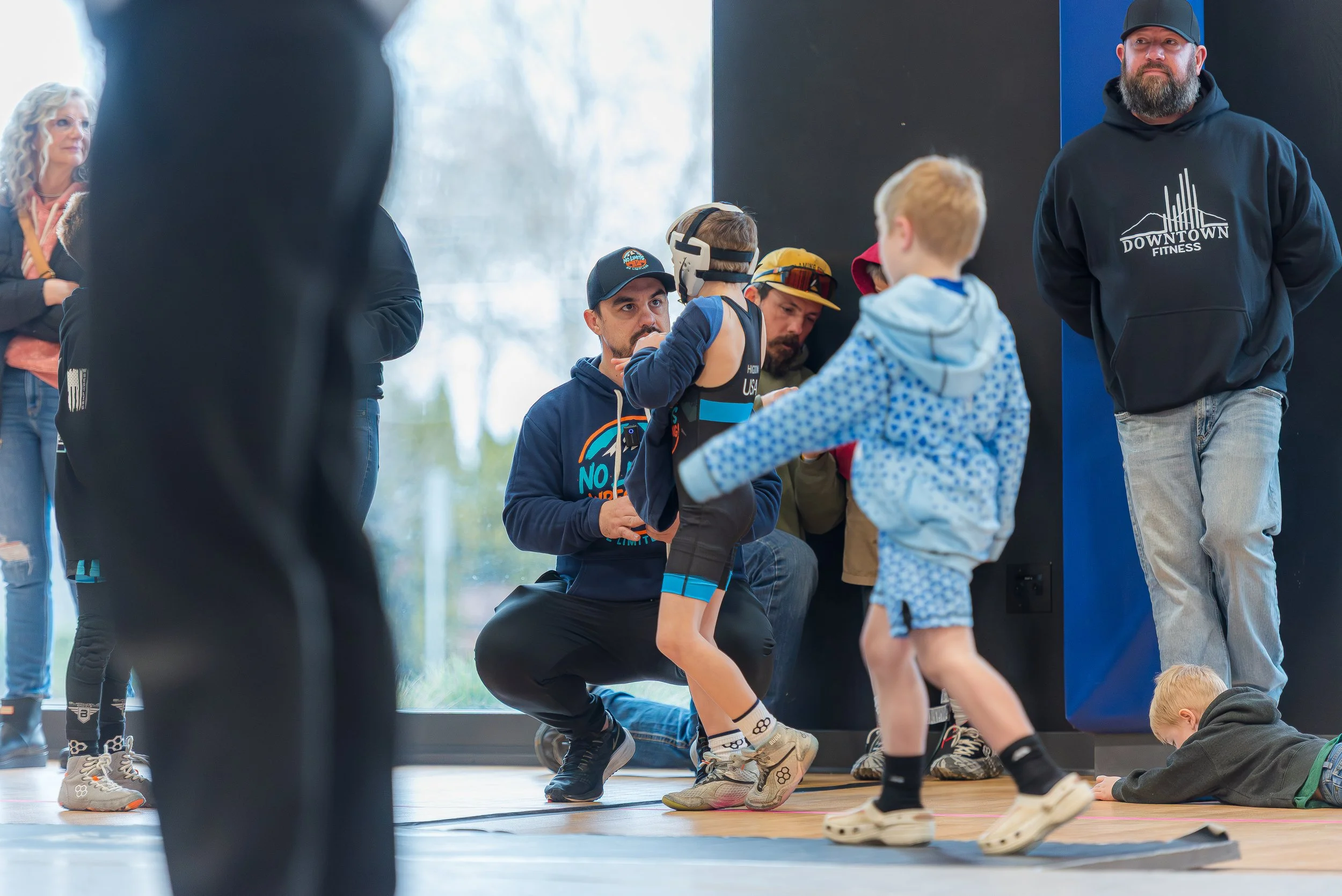
The Burnout Myth in Youth Sports: What Actually Pushes Kids Away
Burnout in youth sports is often blamed on training or intensity, but research tells a different story. This article explains what actually causes burnout, why most kids are supposed to struggle for years, and how parental expectations often push athletes away before they reach their potential.
Support Without Suffocation: How to Coach Your Child, the Right Way, in Youth Sports
Youth sports should build confidence, not anxiety. This article explores how parental behavior shapes a child’s experience in sports and how parents can support development without becoming the pressure.
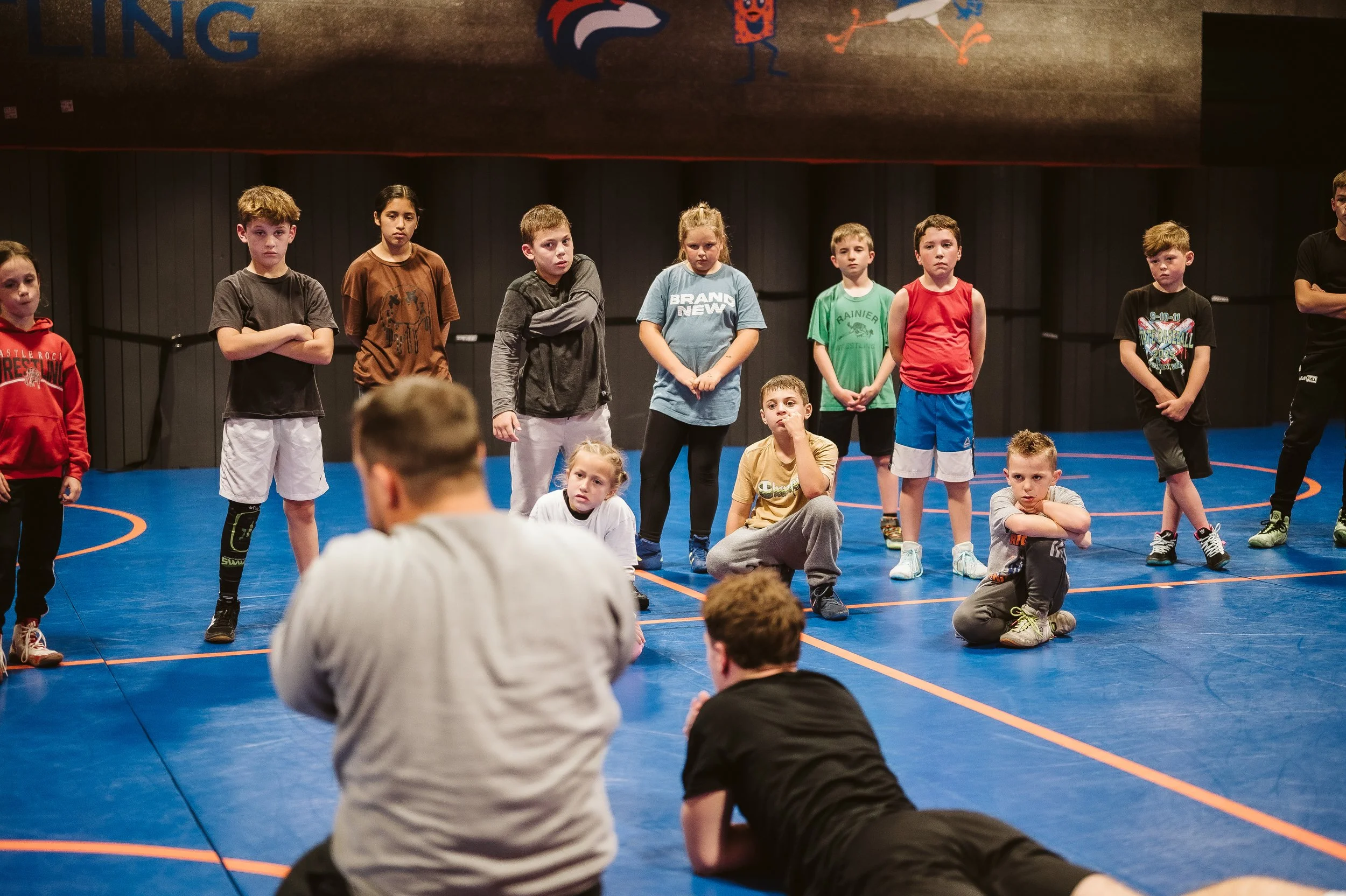
When to Rest, When to Push
Hard training alone doesn’t build better athletes. Smart training balances intensity with recovery. Learn how structured rest, load management, and recovery planning reduce burnout, prevent injury, and support long-term performance in youth athletes.
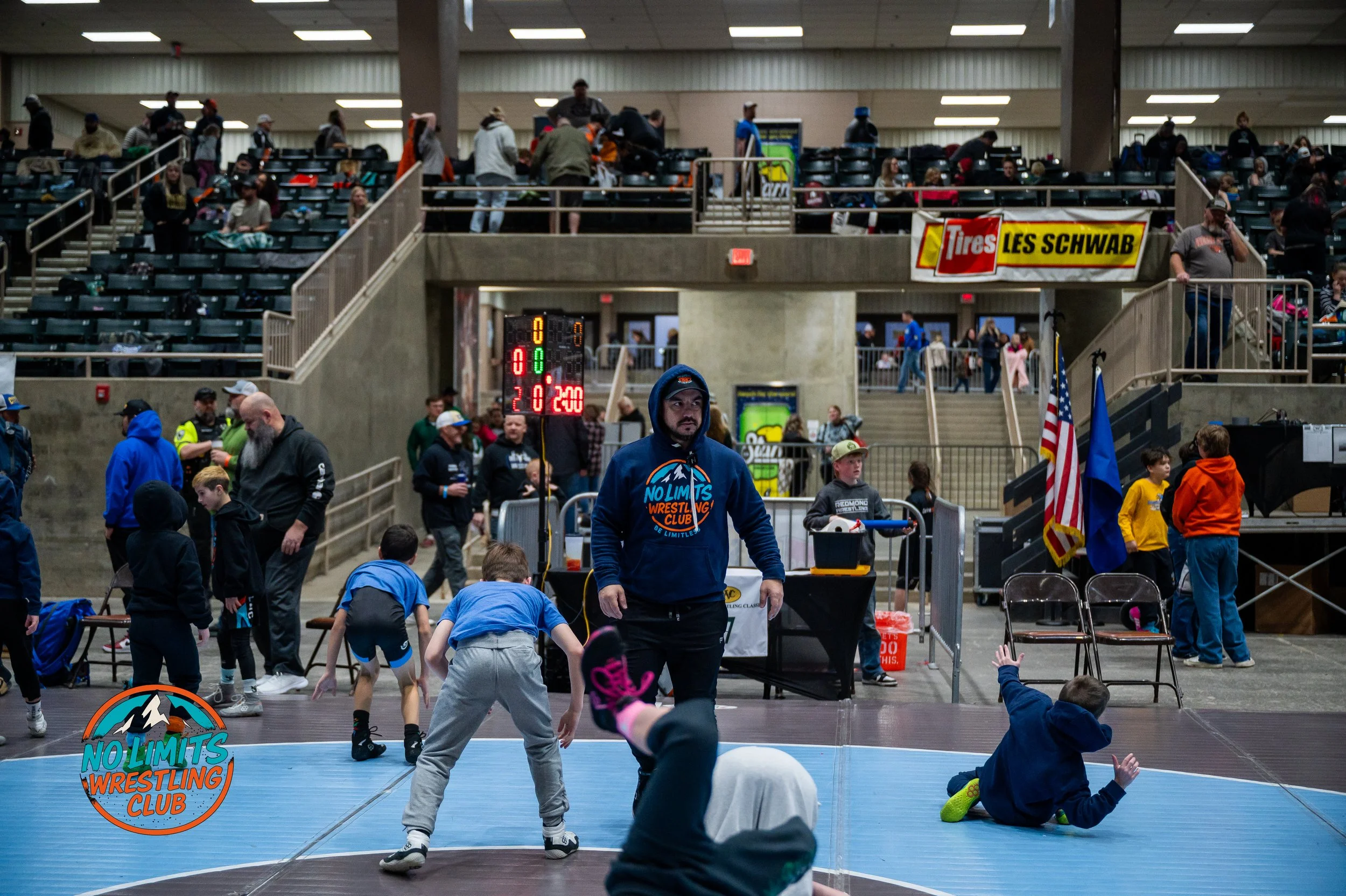
The Training Most People Never Get: Why Mindset Training Matters in Wrestling
Most young athletes are trained physically, but few are taught how to handle pressure, fear, and disappointment. This article explains why mindset training matters in wrestling and youth sports.
We Don’t Quit on Our Bad Days
Every young athlete will face moments where effort and preparation still end in disappointment. Those moments are uncomfortable, but they are also where growth begins. Learning how to regulate emotion, stay accountable, and move forward after a hard day is a skill that shapes athletes far beyond any single competition.