
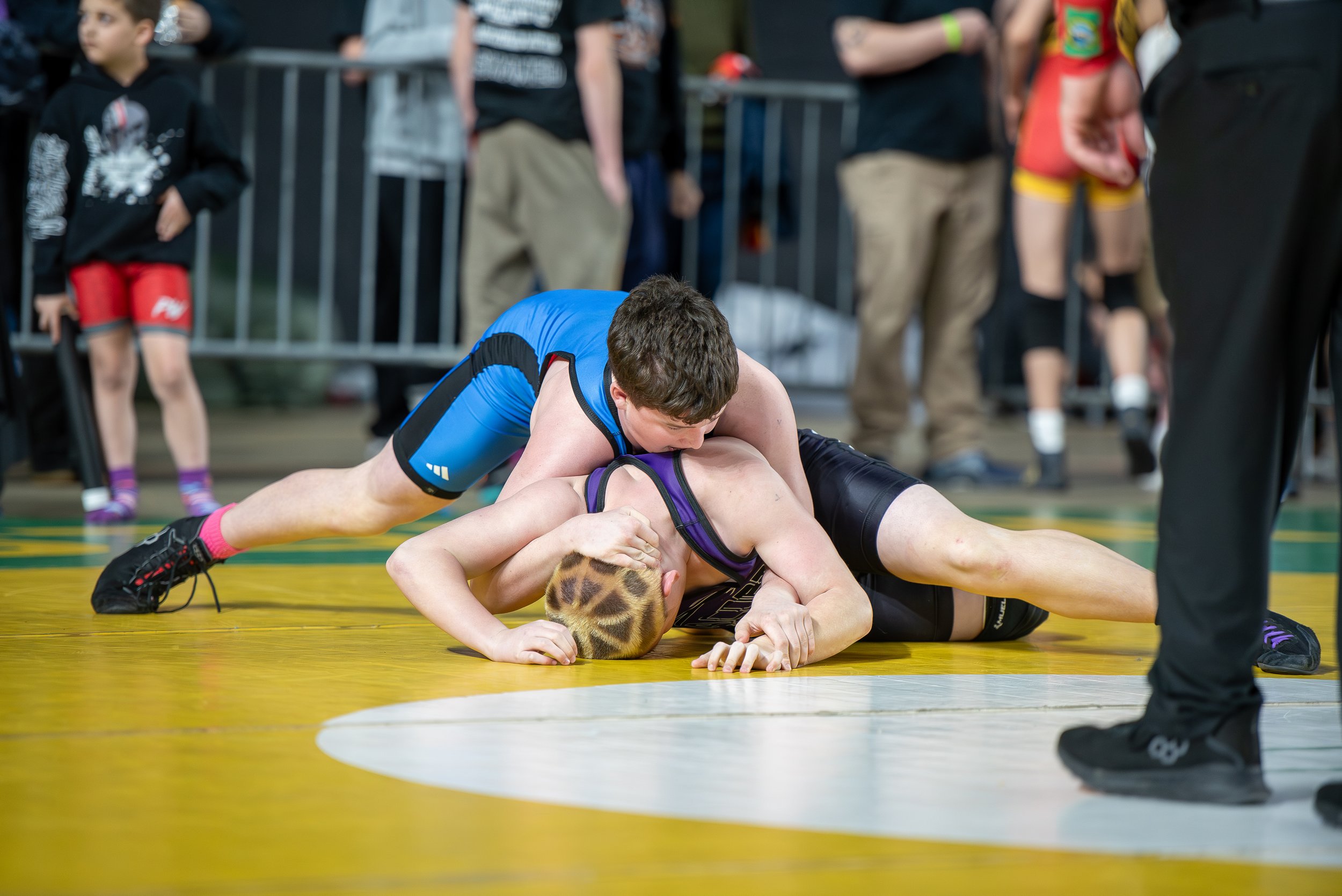
Coaching Athletes Through Split-Family Dynamics Without Becoming the Middleman
Coaching athletes through split-family dynamics requires boundaries, leadership, and emotional discipline. This blog explains how coaches can support young athletes navigating divorce, inconsistent households, and family conflict without becoming the middleman between parents.
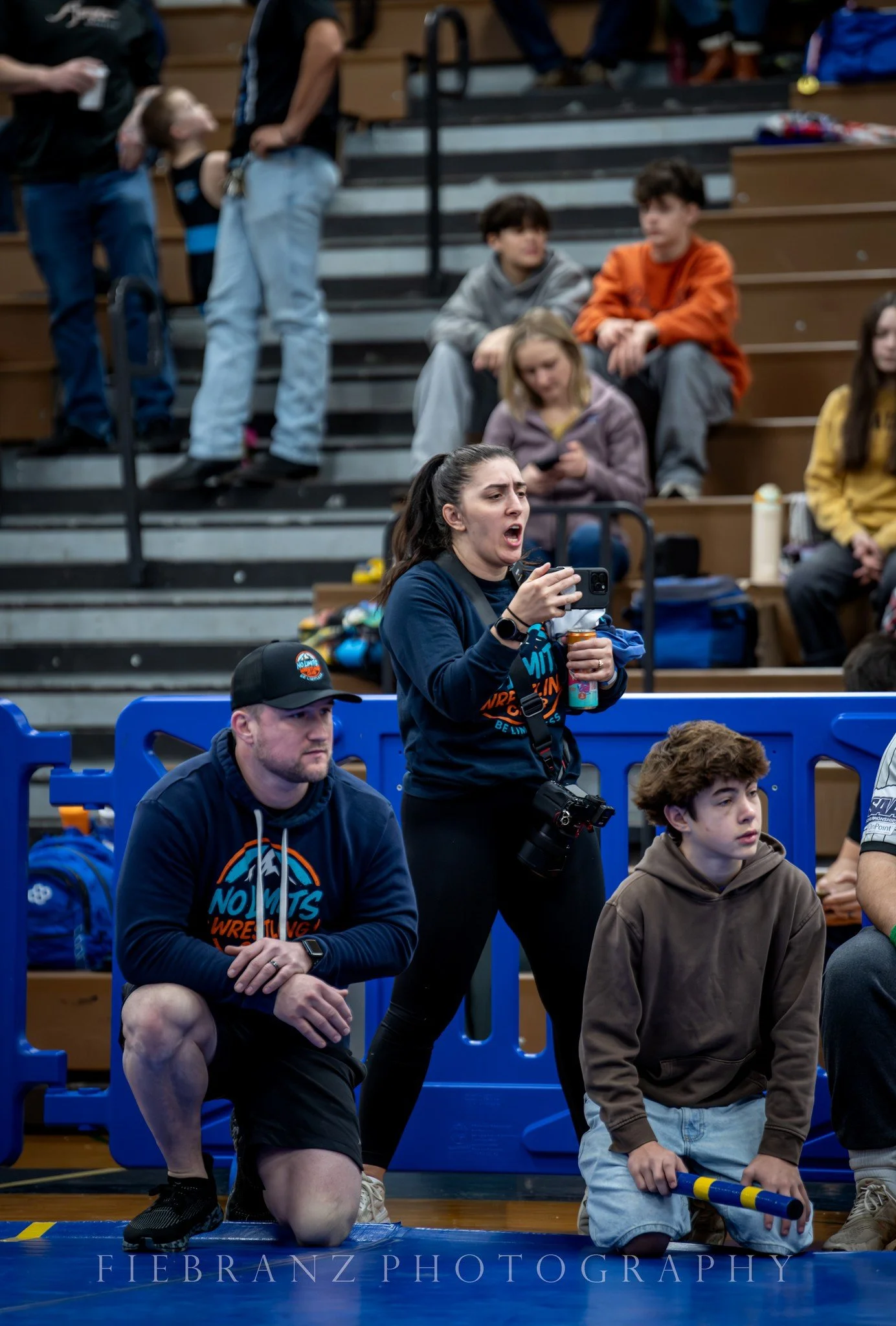
Why Our Room at No Limits Wrestling Club Feels “Different”
Many youth wrestling programs focus on teaching more moves and pushing harder training. Real development comes from repetition, clear systems, and consistent coaching that allow athletes to build confidence and long-term skill.
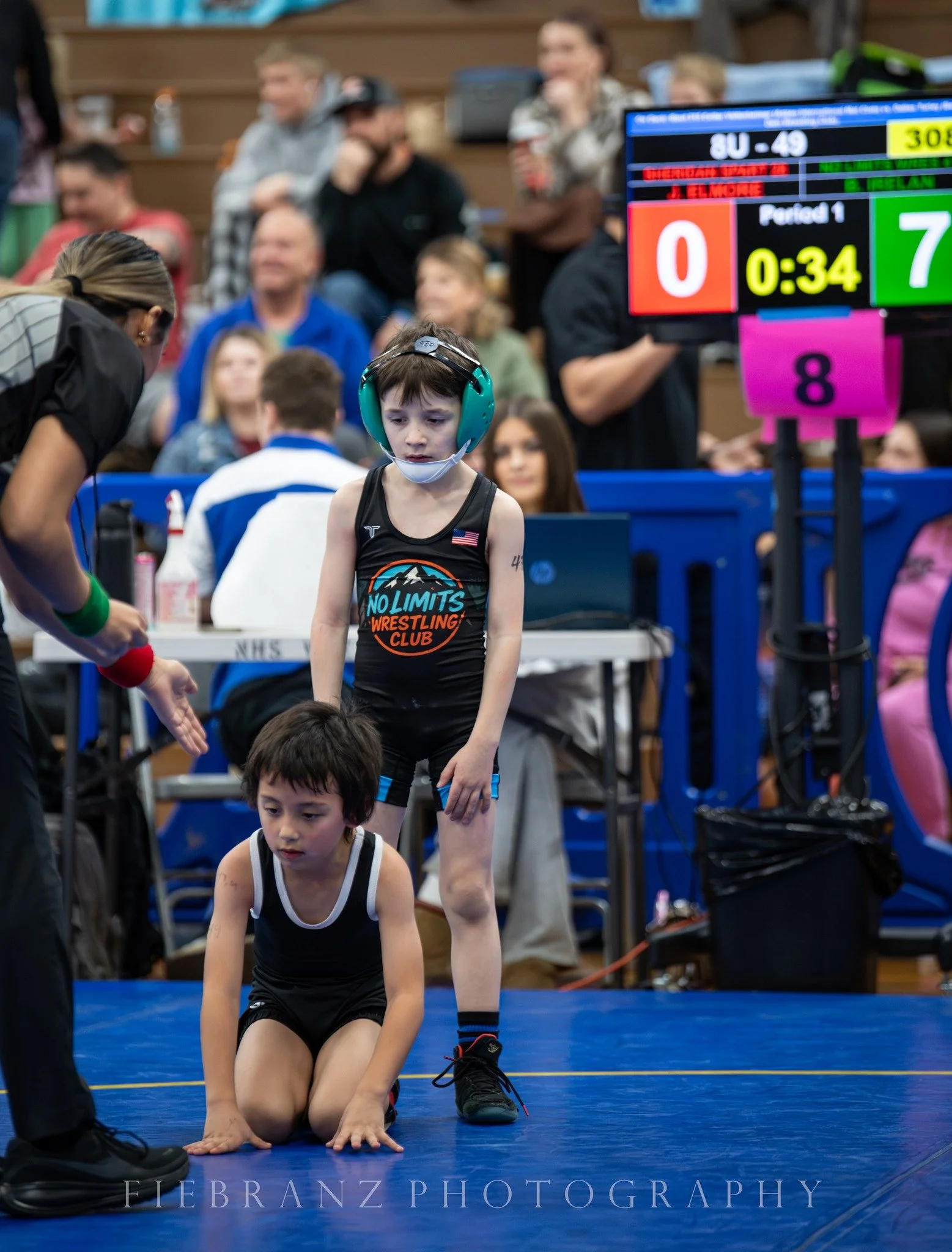
When Pressure Boils Over: Why the Wrestling Room Is the Safest Place for Emotional Growth
As pressure increases in youth wrestling, emotional responses often surface. Rather than signaling failure, these moments offer critical insight into how athletes process stress, regulate emotion, and recover under guidance. This article explores why the wrestling room—when coached intentionally—is one of the safest environments for young athletes to struggle, learn, and develop resilience that extends far beyond sport.
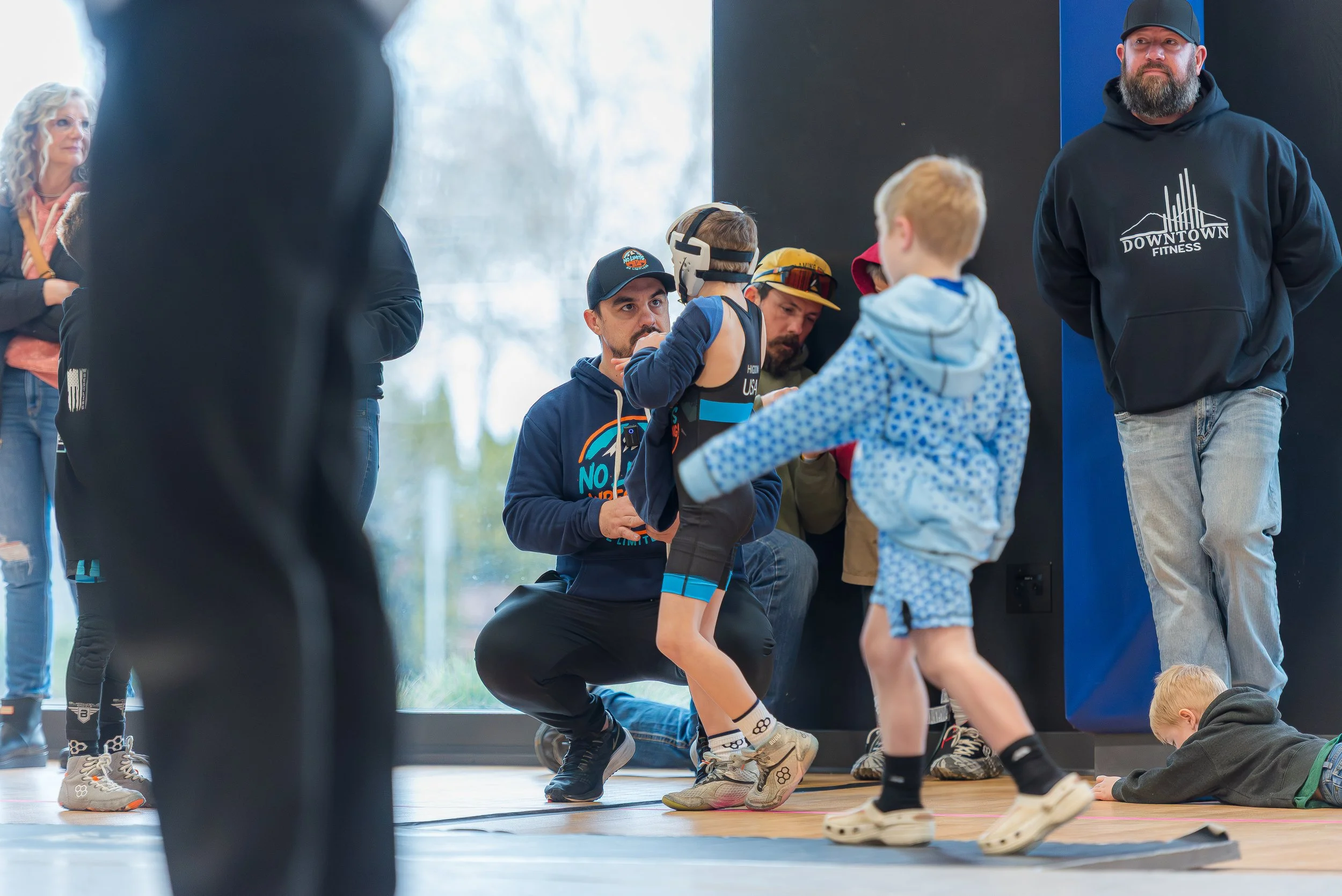
The Burnout Myth in Youth Sports: What Actually Pushes Kids Away
Burnout in youth sports is often blamed on training or intensity, but research tells a different story. This article explains what actually causes burnout, why most kids are supposed to struggle for years, and how parental expectations often push athletes away before they reach their potential.
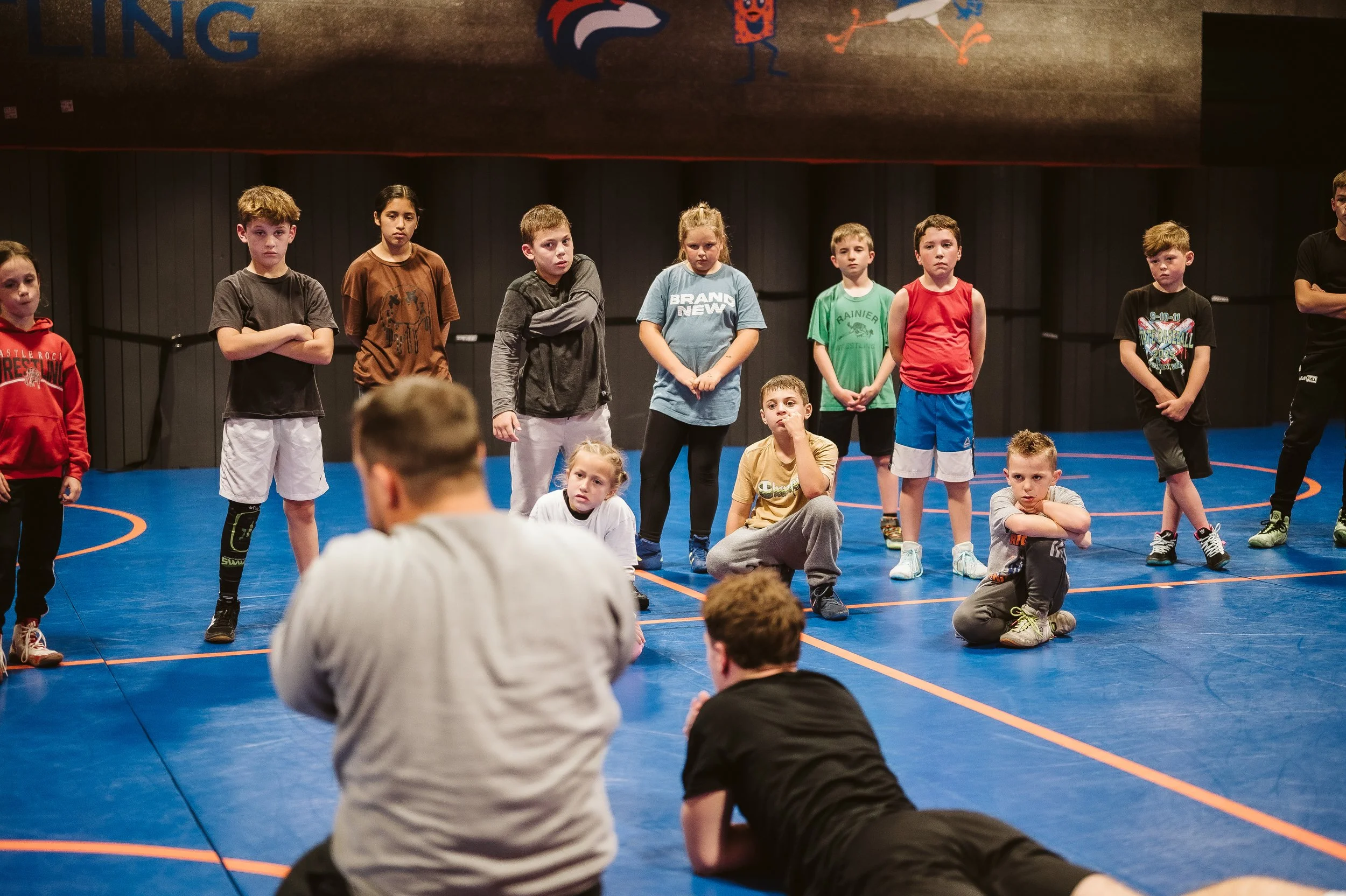
When to Rest, When to Push
Hard training alone doesn’t build better athletes. Smart training balances intensity with recovery. Learn how structured rest, load management, and recovery planning reduce burnout, prevent injury, and support long-term performance in youth athletes.
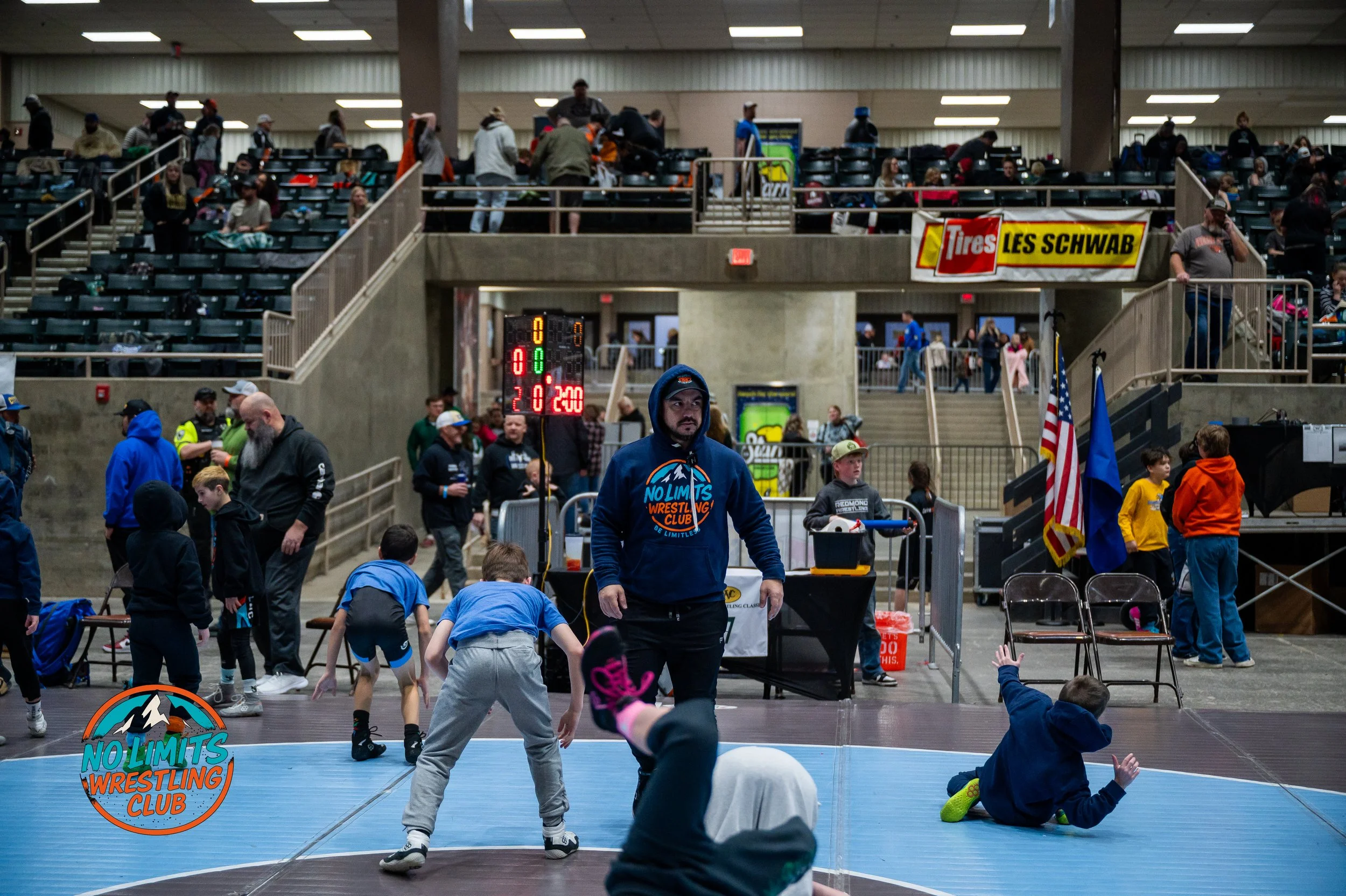
The Training Most People Never Get: Why Mindset Training Matters in Wrestling
Most young athletes are trained physically, but few are taught how to handle pressure, fear, and disappointment. This article explains why mindset training matters in wrestling and youth sports.
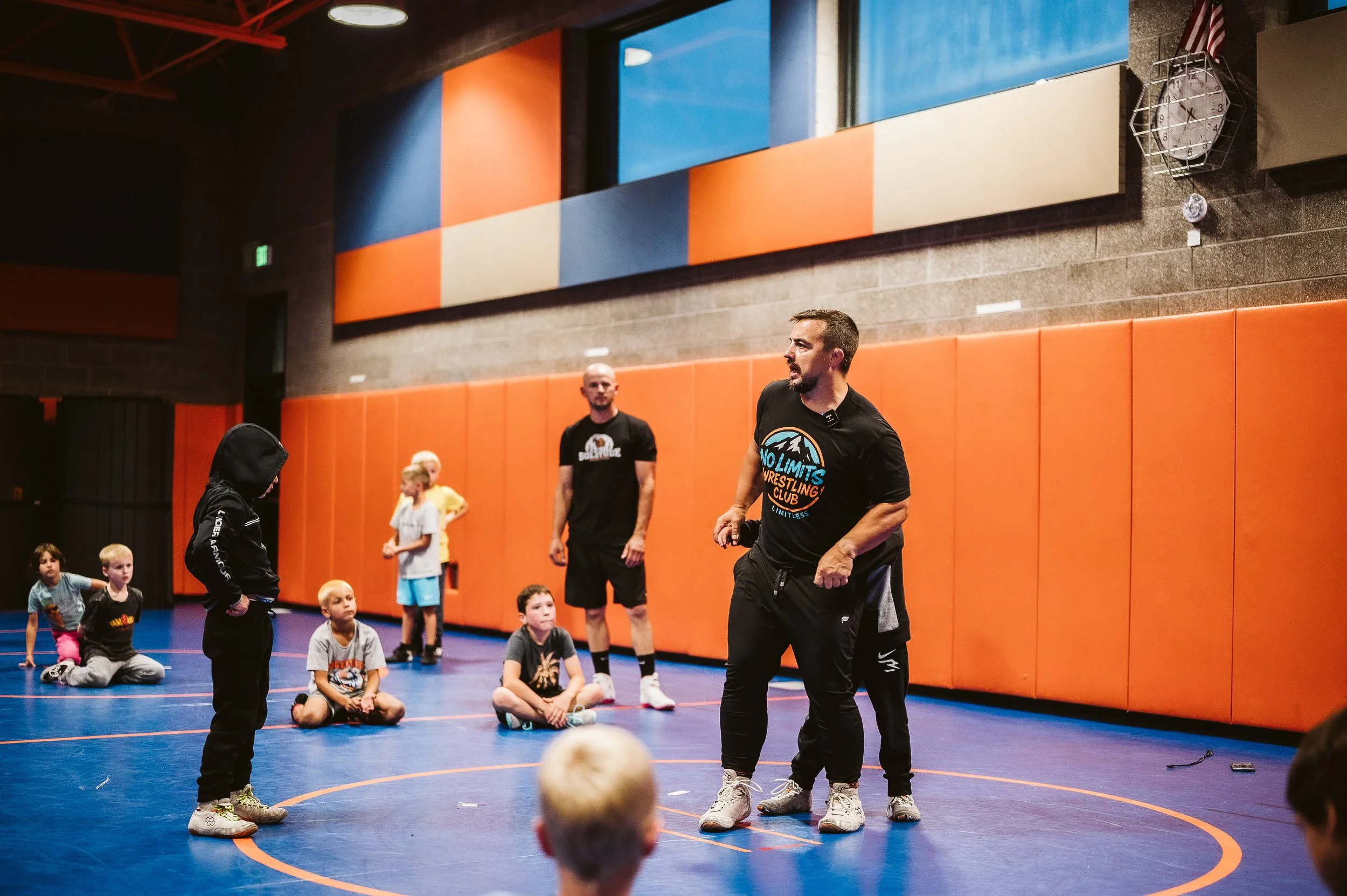
Success Isn’t Linear: A Message to Parents About Setbacks, Confidence, and Long-Term Development in Youth Wrestling
Success in youth wrestling isn’t a straight line. Kids will experience confidence swings, tough tournaments, fear, and setbacks, and all of that is a normal part of development. This article helps parents understand what nonlinear growth really looks like, why many kids quit too soon, and how to support athletes through the moments that truly build resilience, confidence, and long-term love for the sport.