
Stop Obsessing Over Your Athlete Only Playing One Sport
Somewhere along the way, youth sports parents became convinced that specialization equals commitment. If a wrestler wants to play soccer, parents worry they are losing focus. If they want to try football, track, baseball, or even take a season away from the mat, people start acting like the athlete is falling behind.
This same issue often shows up when parents misunderstand what actually causes athletes to leave a sport. The Burnout Myth in Youth Sports breaks down why burnout is usually caused by pressure and environment, not simply hard training.
This mindset has become one of the biggest long-term mistakes in youth sports.
Parents often believe the fastest way to create success is to make sure their athlete eats, sleeps, and breathes one sport year-round. More mat time must mean better results. More tournaments must mean faster development. More private lessons must mean a higher ceiling.
That sounds logical, but it is often completely wrong.
Some of the best wrestlers in the world were multi-sport athletes. They developed explosiveness through football, footwork through soccer, balance through gymnastics, conditioning through cross country, and coordination through baseball. They learned how to compete in different environments, solve different movement problems, and develop confidence outside of a single identity.
Wrestling does not exist in a vacuum. Athleticism matters. Body awareness matters. Coordination matters. Competitive maturity matters. Those things are often built faster through variety than through endless repetition of the same thing.
Year-round specialization can also create problems that parents refuse to acknowledge. Overuse injuries increase. Motivation drops. Emotional fatigue builds. Kids stop enjoying the sport and start associating it only with pressure. What started as passion slowly turns into obligation.
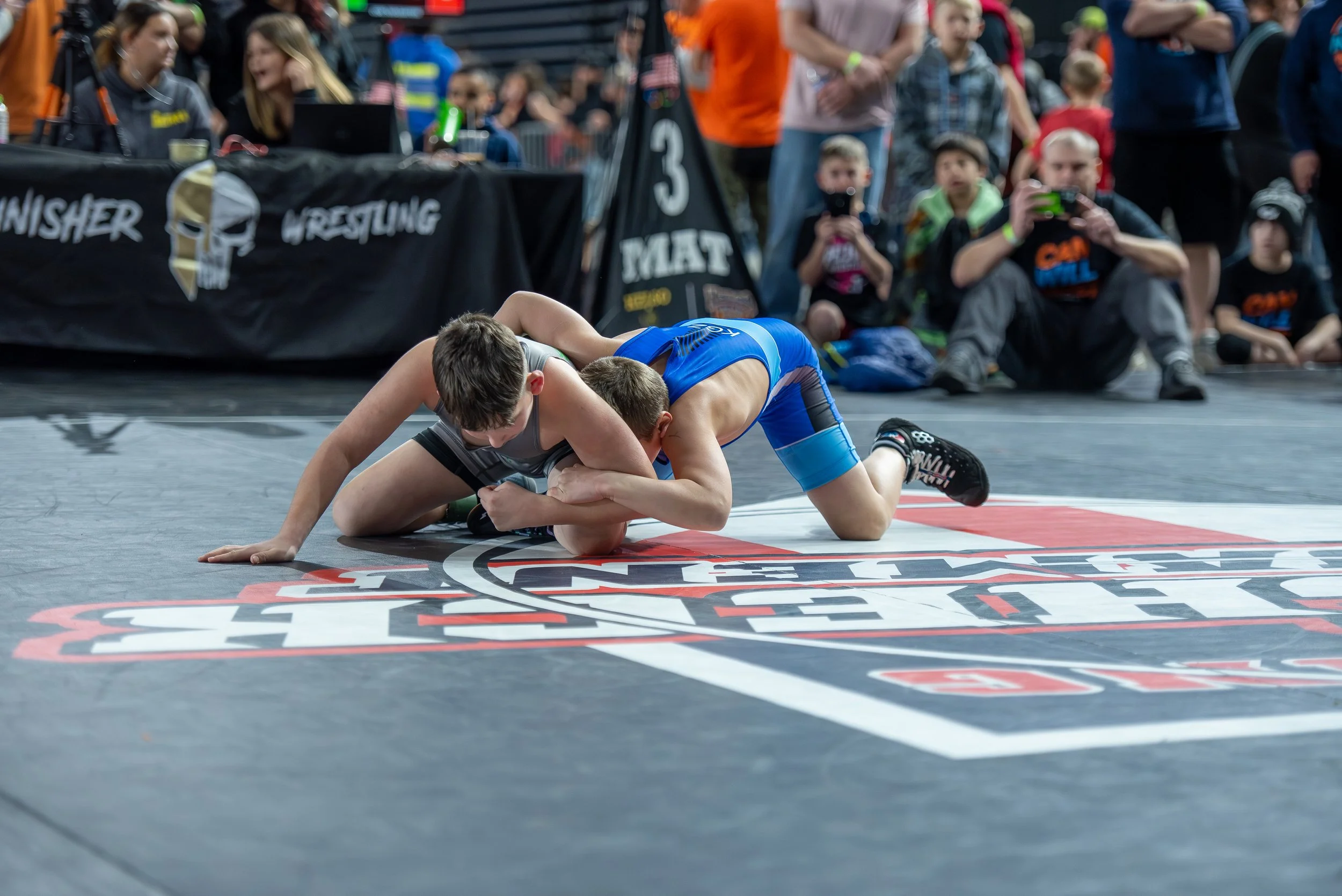
Then parents are shocked when the athlete wants to quit.
The irony is that many of the same parents who fear another sport will hurt development are creating the exact conditions that drive kids away from wrestling entirely.
This does not mean athletes should bounce around with no structure or commitment. Discipline still matters. Consistency still matters. Athletes need accountability, and high-level success requires sacrifice. The problem is when parents confuse obsession with discipline.
There is a major difference between commitment and control.
A committed athlete trains hard, shows up consistently, and takes ownership of growth. A controlled athlete feels like every decision is being made for them. One builds confidence. The other builds resentment.
Parents have to ask themselves a hard question: are they trying to help their child become a better athlete, or are they trying to protect their own fear of them falling behind?
Most youth sports anxiety is not actually about the athlete. It is about the adults.
Parents worry another family is doing more. Another kid is getting extra lessons. Another wrestler is competing every weekend. Social media makes this worse because everyone is posting highlights, podium pictures, and nonstop training clips that make normal development feel like underperformance.
That pressure causes families to make terrible long-term decisions.
The athlete who wrestles twelve months a year at age ten is not automatically the athlete who succeeds at eighteen. In fact, many times it is the opposite. The athlete who was allowed to develop broadly, recover properly, and stay emotionally connected to the sport is the one still competing when everyone else has burned out.
Long-term success requires understanding development instead of chasing early wins. Early Success vs. Long-Term Development explains why youth wrestling is a much longer game than most families realize.
College coaches and high-level programs are not looking for kids who peaked at twelve. They are looking for athletes who can keep improving.
Long-term development requires patience. It requires perspective. It requires understanding that missing one offseason tournament is not the end of the world and playing another sport does not mean an athlete is less serious.
Sometimes football teaches aggression better than another wrestling practice.
Sometimes soccer improves footwork better than another drilling session.
Sometimes track builds discipline better than another private lesson.
Sometimes stepping away helps an athlete remember why they loved wrestling in the first place.
Parents also need to understand that identity matters. When a child is only allowed to be “the wrestler,” every loss becomes personal. Every bad tournament feels like failure as a person instead of a setback in a sport. That pressure is dangerous.
How parents apply pressure matters more than most realize. Support Without Suffocation breaks down how to help athletes grow without becoming the source of the pressure they are trying to escape.
Kids need room to be more than one thing.
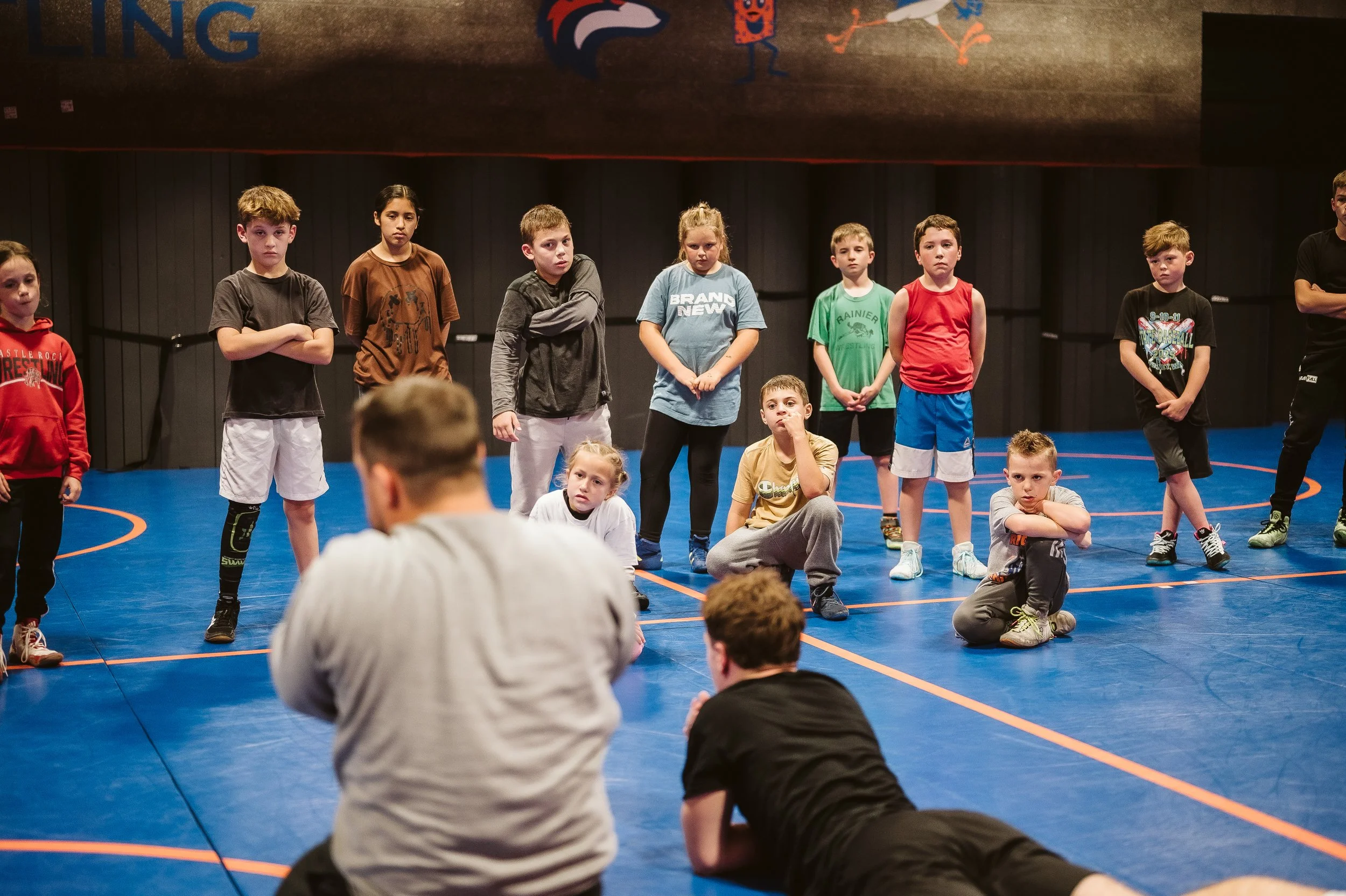
They need friendships outside the wrestling room. They need hobbies. They need confidence in places that are not tied to wins and losses. They need the freedom to grow into people, not just competitors.
The goal should never be to raise a child whose entire self-worth depends on a bracket.
The goal is to build an athlete who loves competing, understands discipline, and can carry those lessons into adulthood.
Sometimes that means wrestling more.
Sometimes it means wrestling less.
Sometimes it means letting them go play soccer.
The best parents know the difference.
The worst parents keep forcing the issue and call it dedication.
If your athlete wants to try another sport, the question should not be whether it will ruin their wrestling career. The better question is whether it might actually help them become stronger, healthier, and more invested long term.
Most of the time, the answer is yes.
Build the Athlete, Not Just the Season
At Limitless Performance Systems, we focus on long-term athlete development—strength, discipline, confidence, and structure that lasts far beyond one season. Whether your athlete needs better conditioning, stronger habits, or a healthier relationship with training, we help families build systems that actually create progress.
From wrestling development and summer strength training to mindset coaching and parent education, our goal is simple: help athletes grow into stronger competitors and stronger people.
Schedule Athlete Development Coaching