
When It’s Time for an Athlete to Take a Break
In youth sports, especially in wrestling, there is a dangerous belief that more is always better. More practices, more tournaments, more private lessons, more road trips, more offseason work, and more pressure are often treated like the formula for success. Many parents begin to believe that if their athlete slows down, even for a moment, they are falling behind. That mindset creates burnout faster than almost anything else.
Not every athlete who says they are tired is quitting, and not every athlete who needs a break lacks discipline. Sometimes the smartest thing a parent can do is stop focusing on how to keep pushing and start paying attention to what the athlete actually needs. There is a difference between teaching discipline and creating resentment, and many families do not recognize that difference until the athlete is already pulling away from the sport.
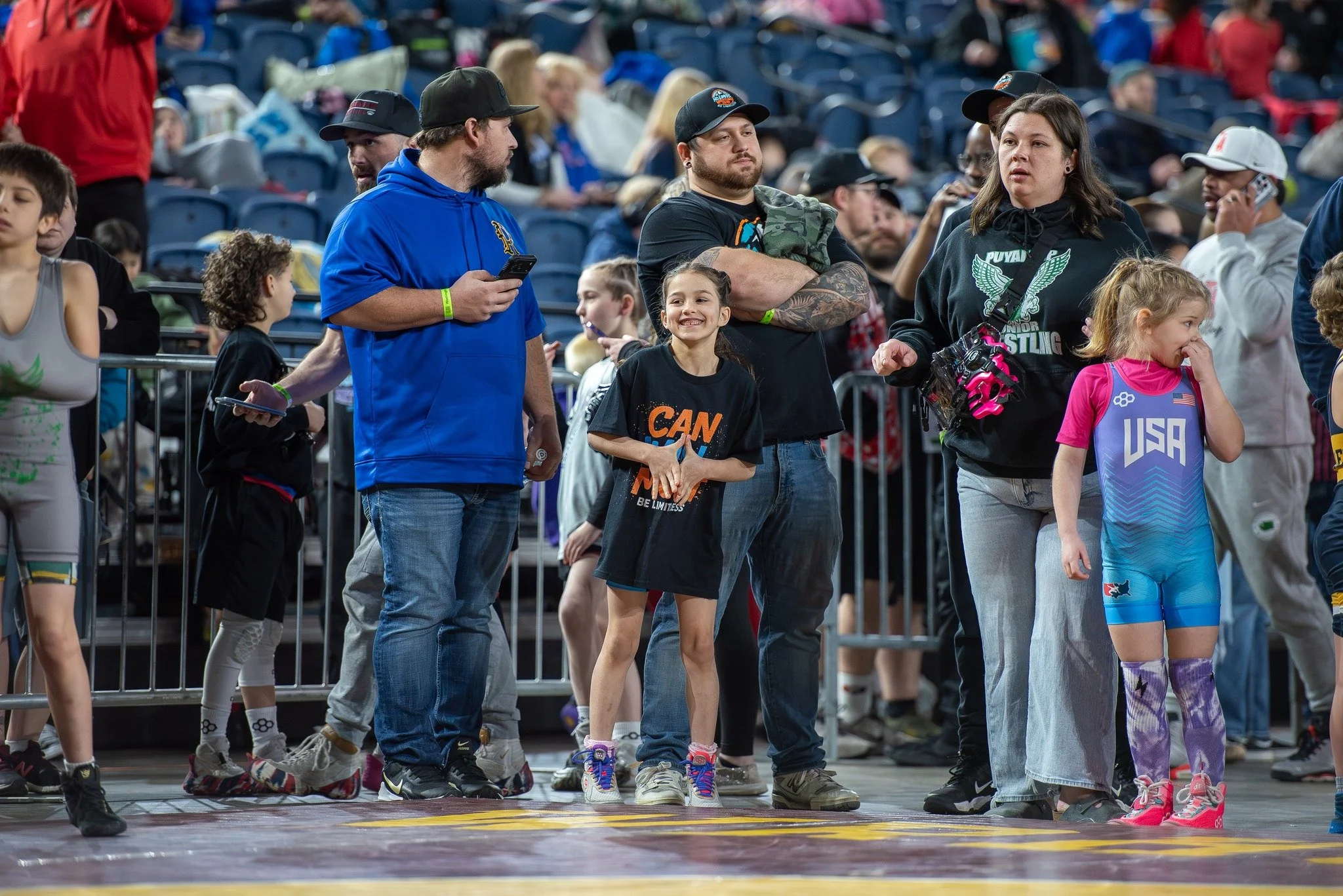
One of the biggest mistakes parents make is confusing burnout with laziness. Mental exhaustion does not always look dramatic. Sometimes it shows up quietly. An athlete may stop talking in the car after practice, lose excitement before tournaments, or begin complaining about things they once enjoyed. They may still show up physically, but mentally they are checked out. Parents often interpret this as a lack of commitment when, in reality, it may be accumulated emotional fatigue.
Many parents mistake burnout for laziness, but in reality, the warning signs are often much more subtle. We break this down further in The Burnout Myth in Youth Sports, where we explain what actually pushes young athletes away from sport.
Young athletes carry far more than most adults realize. School stress, social pressure, family instability, lack of sleep, academic expectations, growth spurts, puberty, and constant performance demands all stack on top of one another. When every area of life feels heavy, the sport they once loved can start to feel like another source of pressure instead of an outlet. That does not mean they are weak. It means they are overloaded.
This is also why parents should not panic when a wrestler wants to play soccer, football, track, baseball, or another sport. Many of the best wrestlers in the world were multi-sport athletes. They built explosiveness through football, footwork through soccer, body awareness through gymnastics, conditioning through cross country, and coordination through other sports that challenged them in different ways. Multi-sport development is often more valuable than year-round specialization, especially for younger athletes.
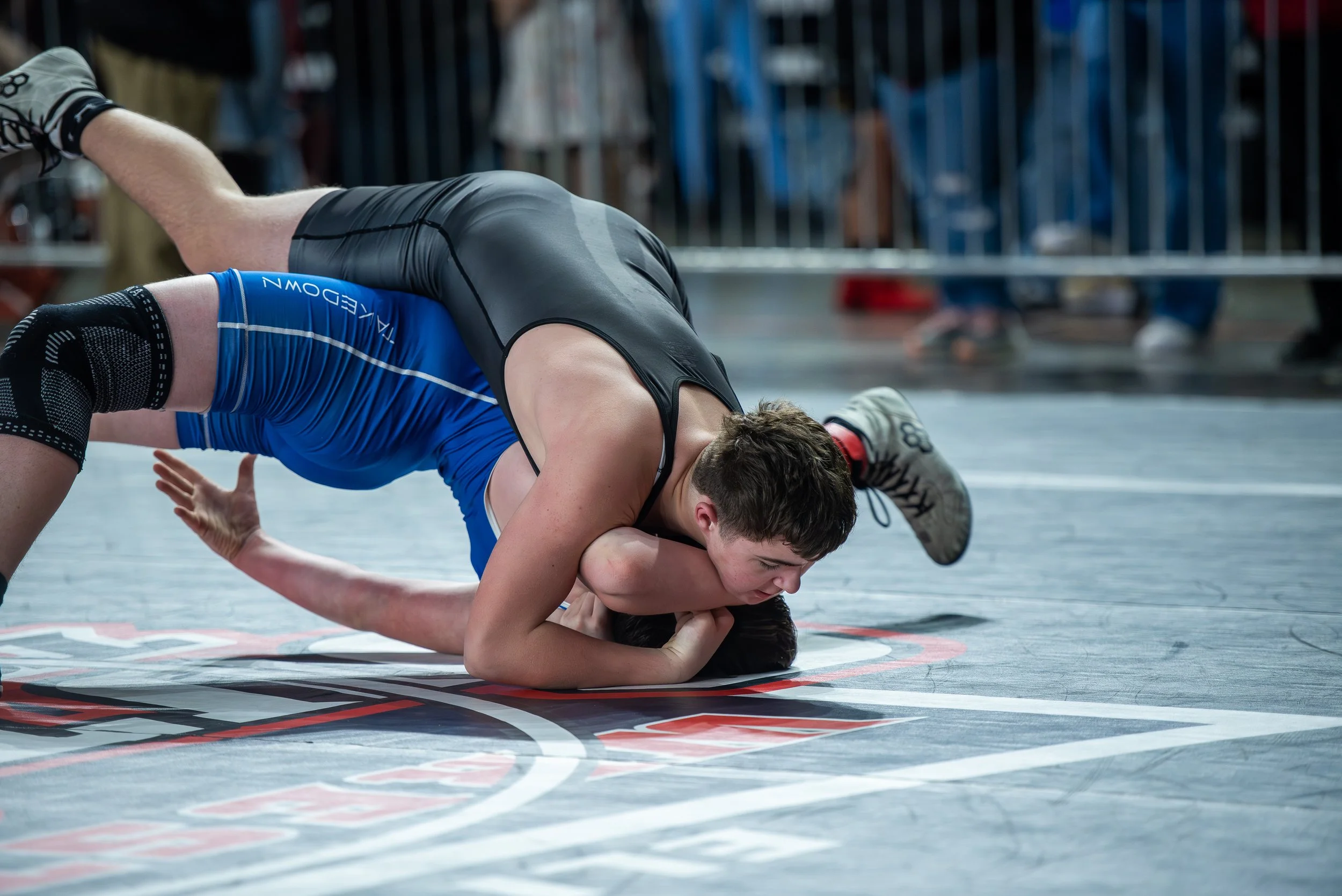
Athletes benefit from variety. Different movement patterns help prevent overuse injuries, and new competitive environments often help kids stay mentally engaged. Sometimes they simply need room to miss wrestling enough to want it again. Allowing an athlete to step into another sport or hobby does not mean they are losing focus. In many cases, it helps them return stronger, more confident, and more invested.
At the same time, parents should not treat every hard day as a reason to pull back. Athletes need to learn how to push through discomfort. Discipline matters, consistency matters, and commitment matters. Growth requires struggle. The challenge is recognizing the difference between normal resistance and true emotional depletion. A bad tournament, a tough practice, or one frustrating week should not trigger major decisions. Patterns matter more than isolated moments.
Learning the difference between productive struggle and true overload is one of the most important parts of athlete development. Our article When to Rest, When to Push goes deeper into how recovery and performance work together.
If motivation has been declining for months, if anxiety around training is increasing, if injuries are becoming frequent, or if the athlete dreads practice every single day, those signs deserve attention. Sleep problems, frequent illness, emotional shutdown, and constant irritability are often signals that the issue is bigger than effort. Responding with more punishment or more pressure usually makes the problem worse.
Summer is often when these issues become most obvious. School structure disappears, sleep schedules get messy, visitation schedules shift, and athletes often move between households. Consistency becomes harder to maintain, especially for families navigating split homes or high-conflict co-parenting situations. Many parents respond by trying to force even more training to make up for the lack of routine, but that usually creates more resistance.
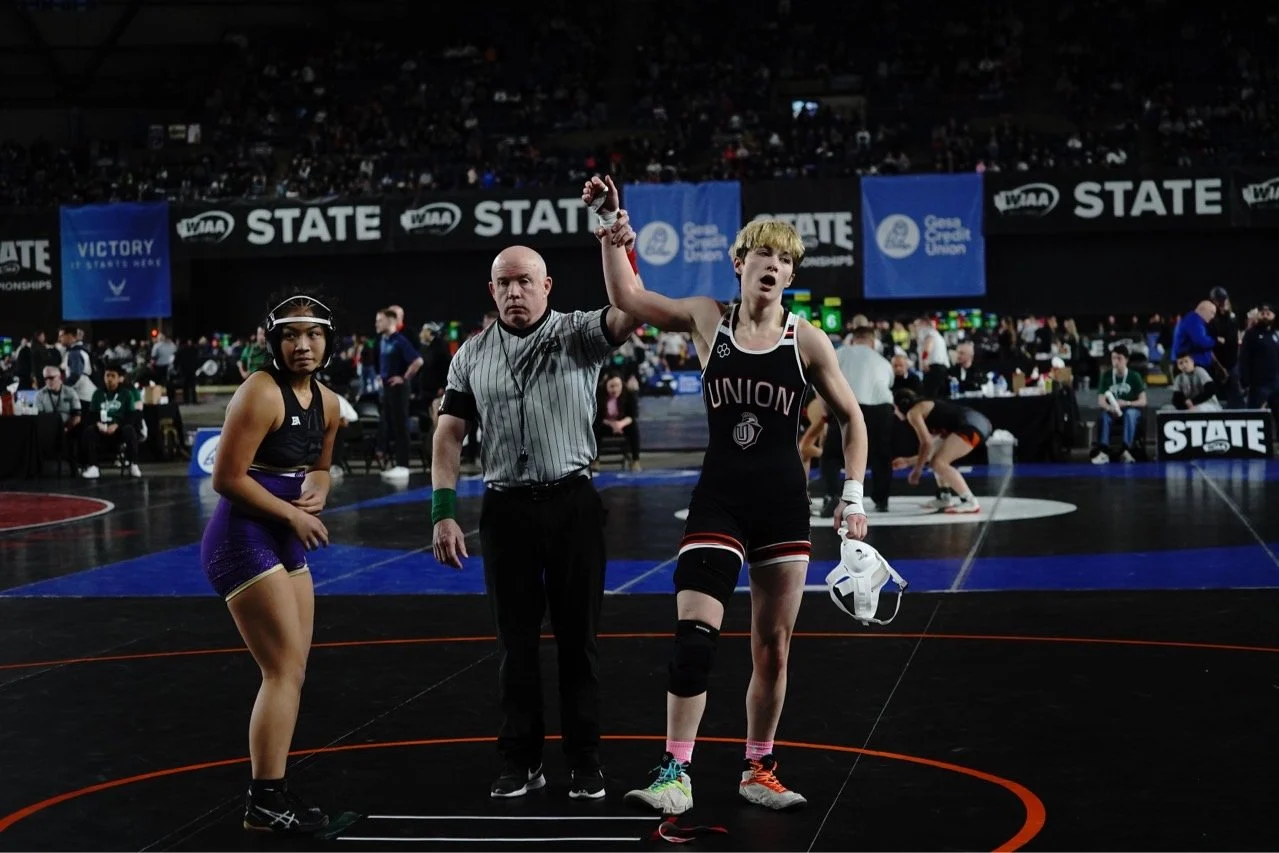
Summer should still have structure, but structure does not always mean maximum intensity. Sometimes the best thing an athlete can do is lift consistently, run a few days each week, stay connected to movement, and recover mentally. Progress is not always measured by extra tournaments or nonstop drilling. Sometimes development looks like recovery, stability, and rebuilding motivation.
At No Limits Wrestling Club in Ridgefield, WA, we are not focused on creating short-term champions.. We are trying to develop athletes who still love the sport five years from now. The kid who dominates at ten is not automatically the athlete who succeeds at eighteen. Often, the athlete who takes a healthy step back at thirteen is the one still competing in college because they were allowed to grow without resentment.
Long-term development requires patience, restraint, and perspective. It requires parents to see their child as a person first and an athlete second. Sometimes that means allowing them to explore other interests, rest without guilt, and rebuild confidence outside of constant competition. That is not lowering standards. It is protecting the person underneath the performance.
Parents play a massive role in whether a child stays connected to a sport long term. Support Without Suffocation breaks down how to guide athletes without becoming the source of pressure they are trying to escape.
If your athlete needs a break, the goal should be honest evaluation. Some kids are avoiding hard work. Some are carrying too much for too long. Knowing the difference matters because the wrong response can push a child out of a sport permanently. The right response can keep them in it for life.
Strong parenting in youth sports is not about pushing harder at every opportunity. It is about recognizing when persistence is needed and when recovery is necessary. The best parents learn how to tell the difference, and that often shapes an athlete’s future far more than any tournament result ever will.
Build the Athlete, Not Just the Season
At Limitless Performance Systems, we focus on long-term athlete development—strength, discipline, confidence, and structure that lasts far beyond one season. Whether your athlete needs better conditioning, stronger habits, or a healthier relationship with training, we help families build systems that actually create progress.
From wrestling development and summer strength training to mindset coaching and parent education, our goal is simple: help athletes grow into stronger competitors and stronger people.
Schedule Athlete Development Coaching