
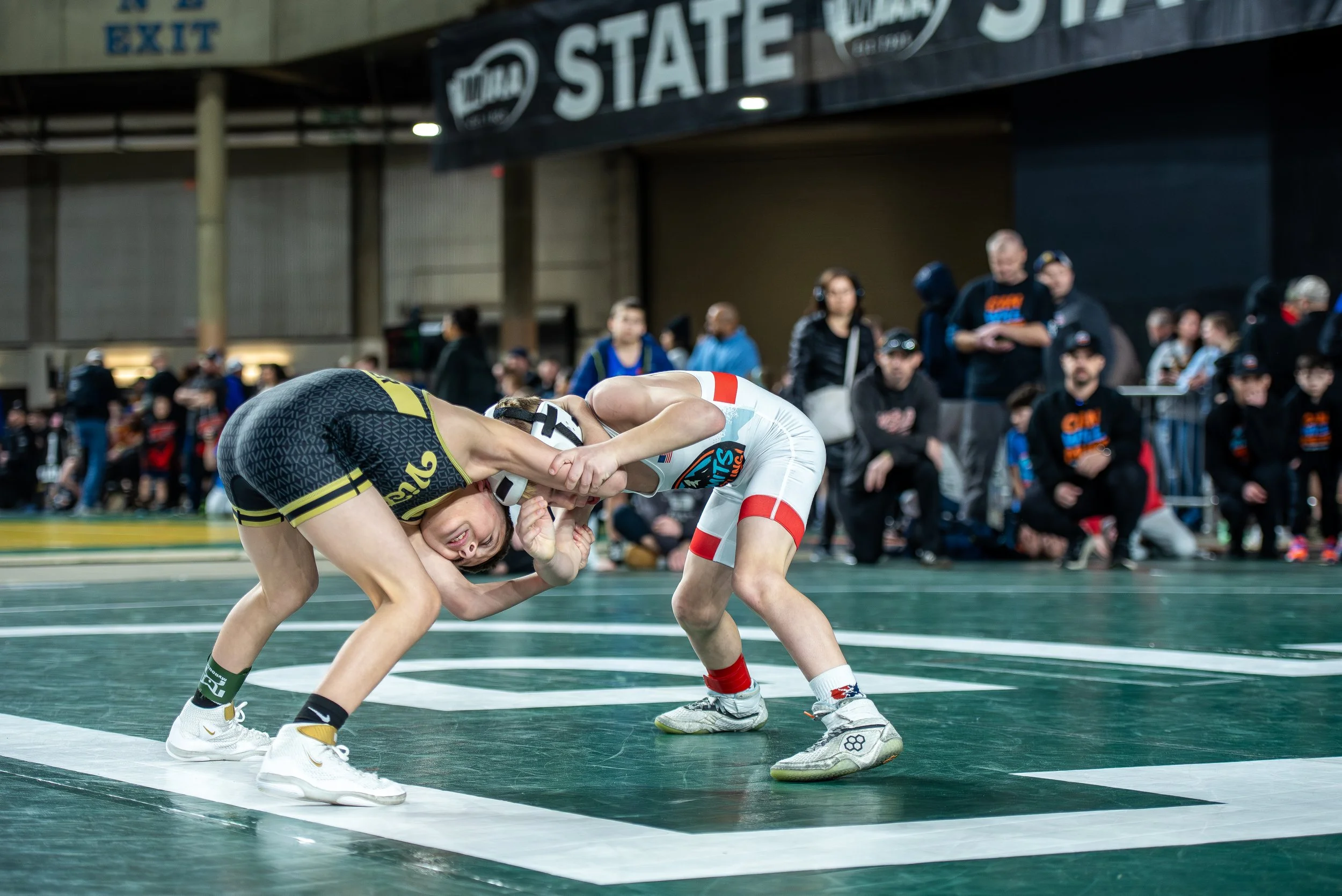
Stop Obsessing Over Your Athlete Only Playing One Sport
Many parents believe year-round specialization is the fastest way to create success in wrestling, but forcing athletes into one sport often creates burnout, resentment, and stalled development. This article explains why multi-sport athletes often perform better long term and how parents can support growth without creating unnecessary pressure.
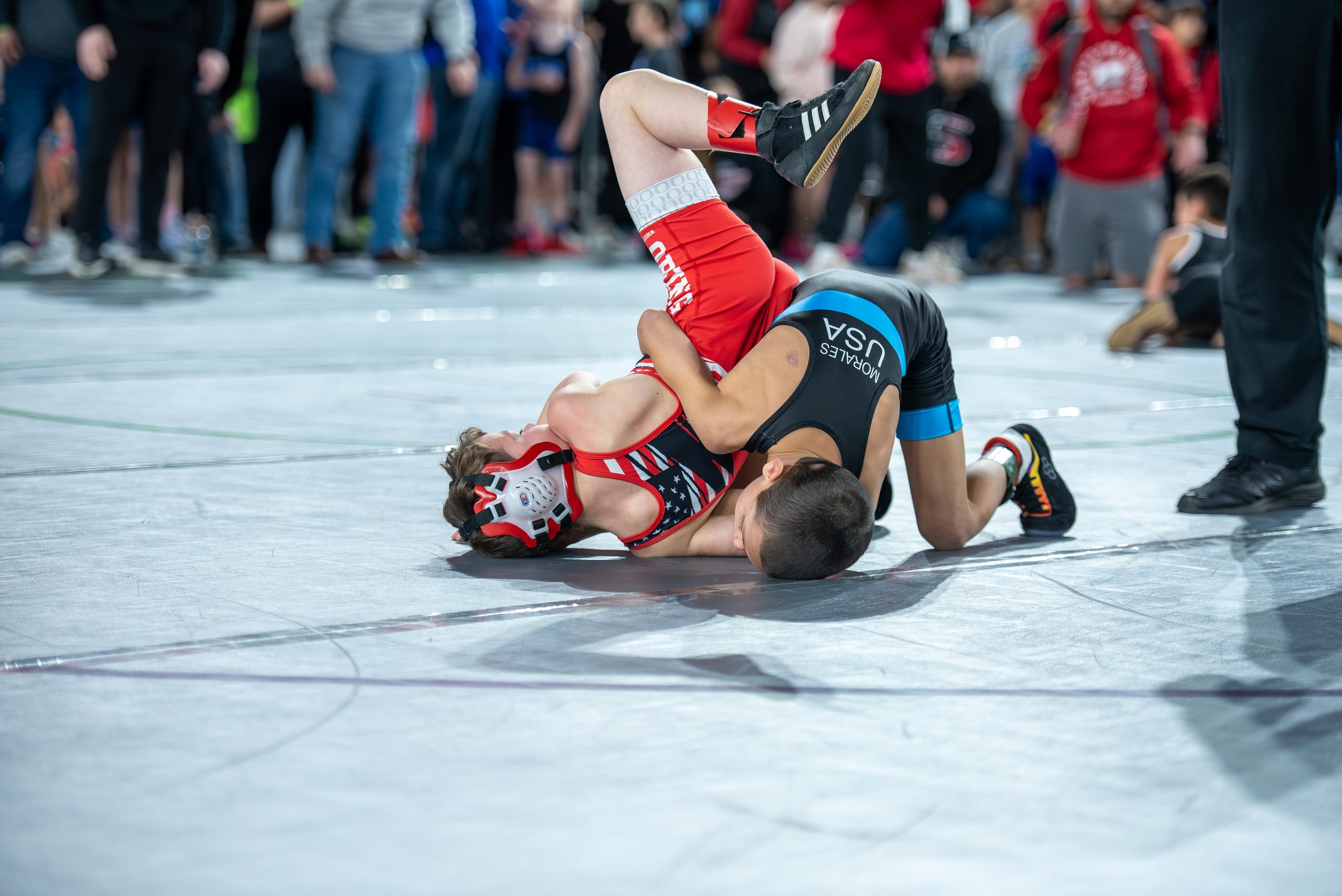
When It’s Time for an Athlete to Take a Break
Many parents assume more training always leads to better results, but constant pressure often creates burnout instead of growth. This article breaks down how to recognize when an athlete needs recovery, when another sport may actually help development, and how parents can protect long-term success instead of chasing short-term wins.
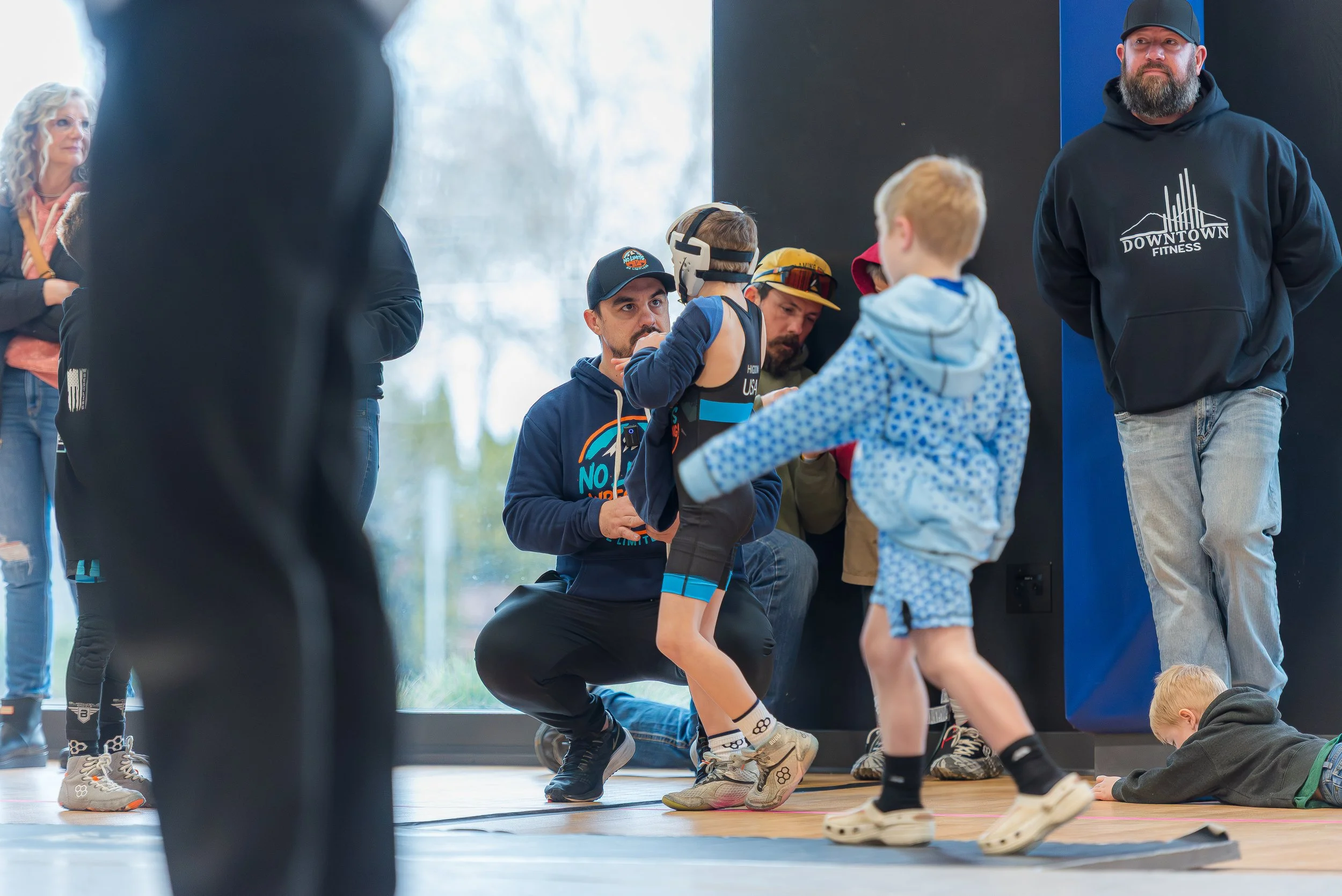
The Burnout Myth in Youth Sports: What Actually Pushes Kids Away
Burnout in youth sports is often blamed on training or intensity, but research tells a different story. This article explains what actually causes burnout, why most kids are supposed to struggle for years, and how parental expectations often push athletes away before they reach their potential.
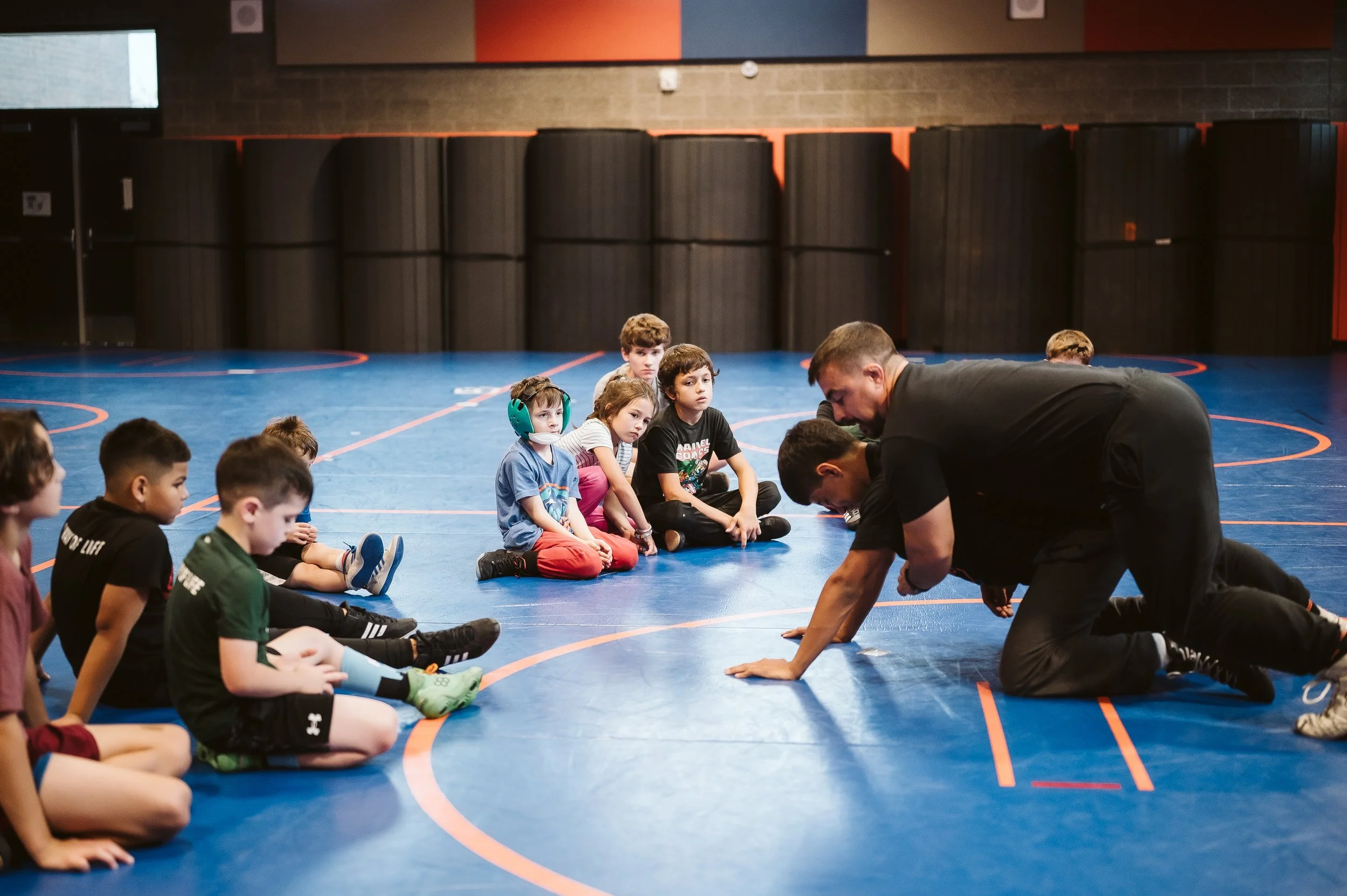
Support Without Suffocation: How to Coach Your Child, the Right Way, in Youth Sports
Youth sports should build confidence, not anxiety. This article explores how parental behavior shapes a child’s experience in sports and how parents can support development without becoming the pressure.
When to Rest, When to Push
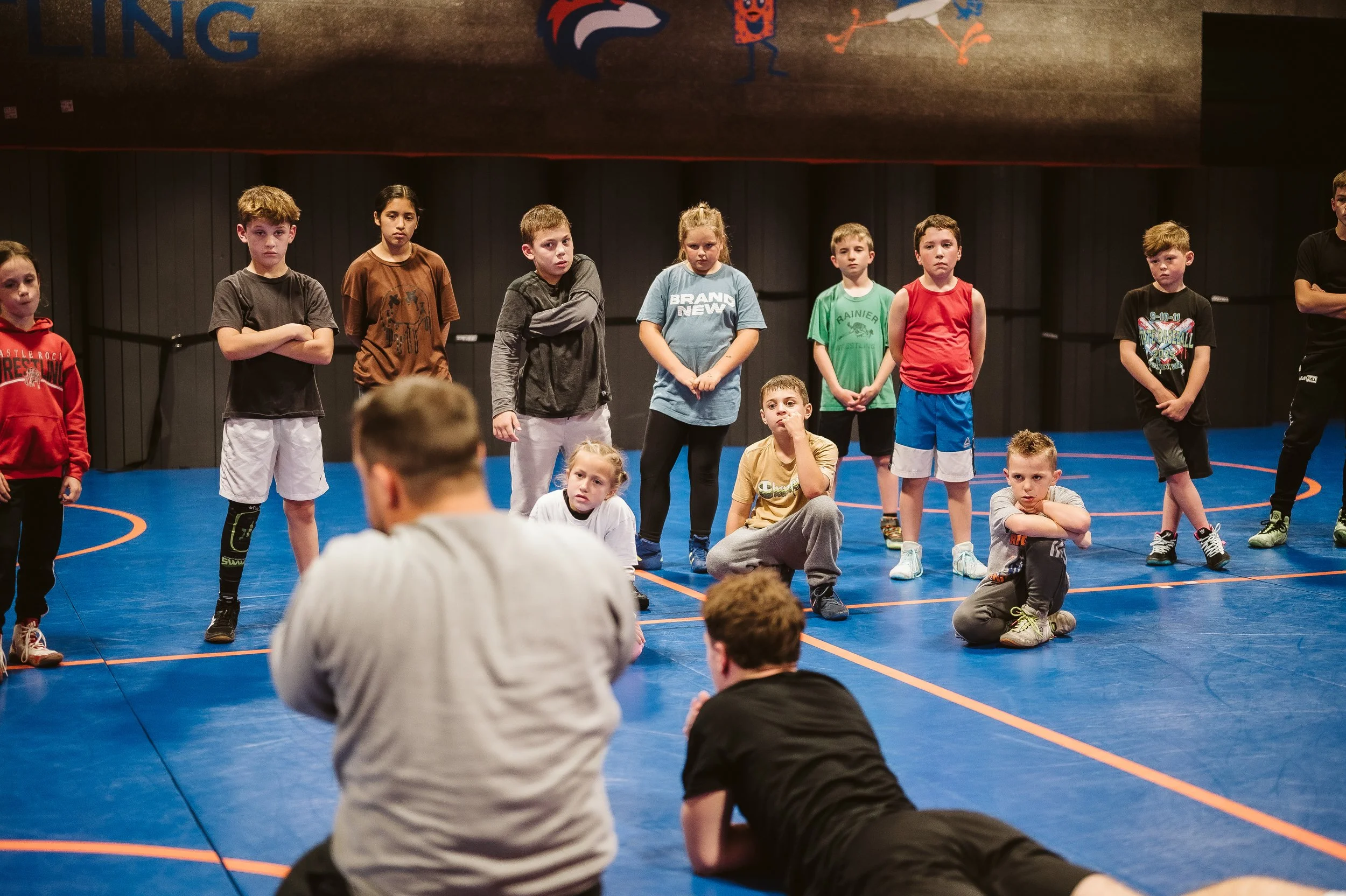
Hard training alone doesn’t build better athletes. Smart training balances intensity with recovery. Learn how structured rest, load management, and recovery planning reduce burnout, prevent injury, and support long-term performance in youth athletes.
The Training Most People Never Get: Why Mindset Training Matters in Wrestling
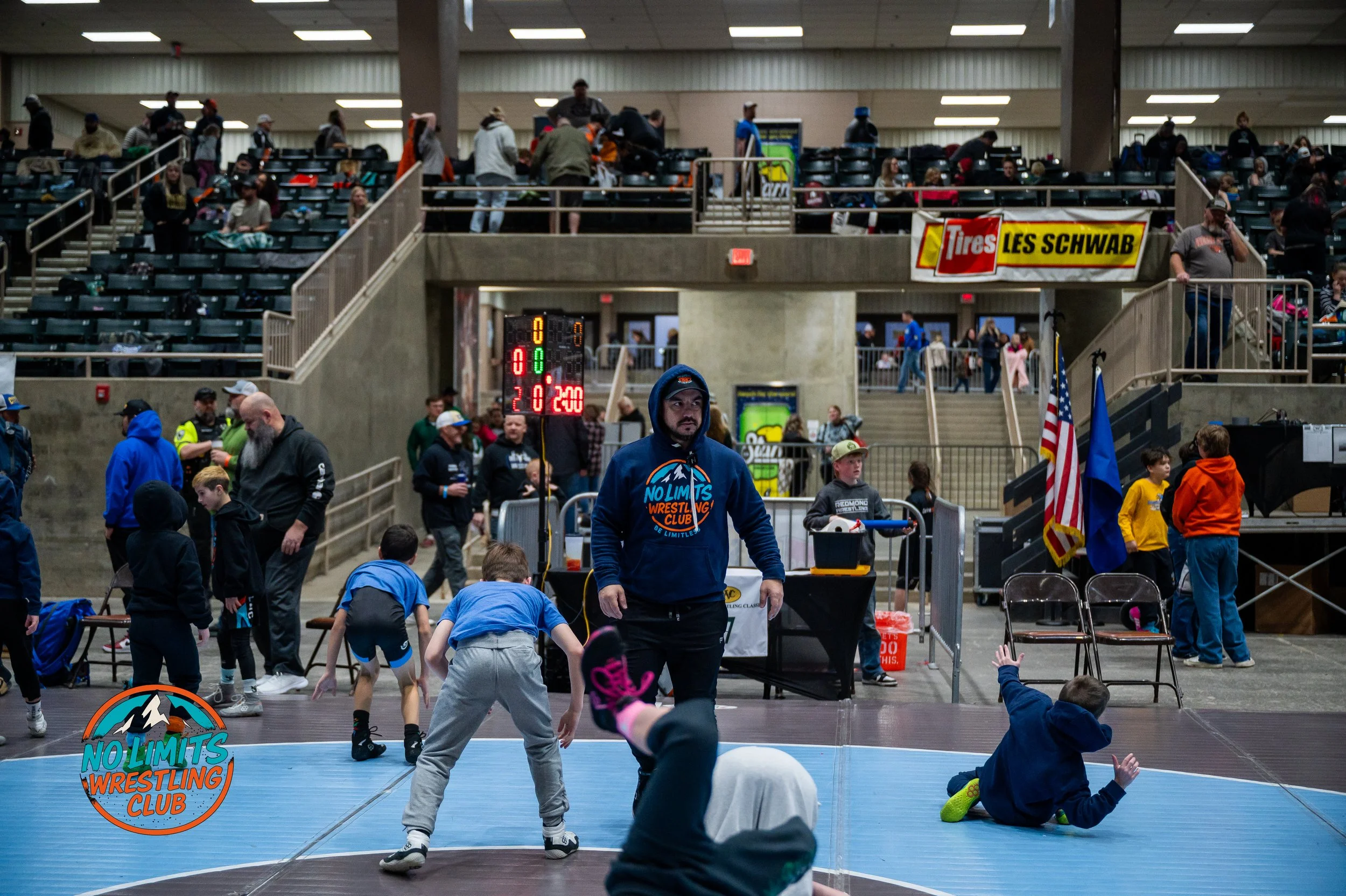
Most young athletes are trained physically, but few are taught how to handle pressure, fear, and disappointment. This article explains why mindset training matters in wrestling and youth sports.
We Don’t Quit on Our Bad Days
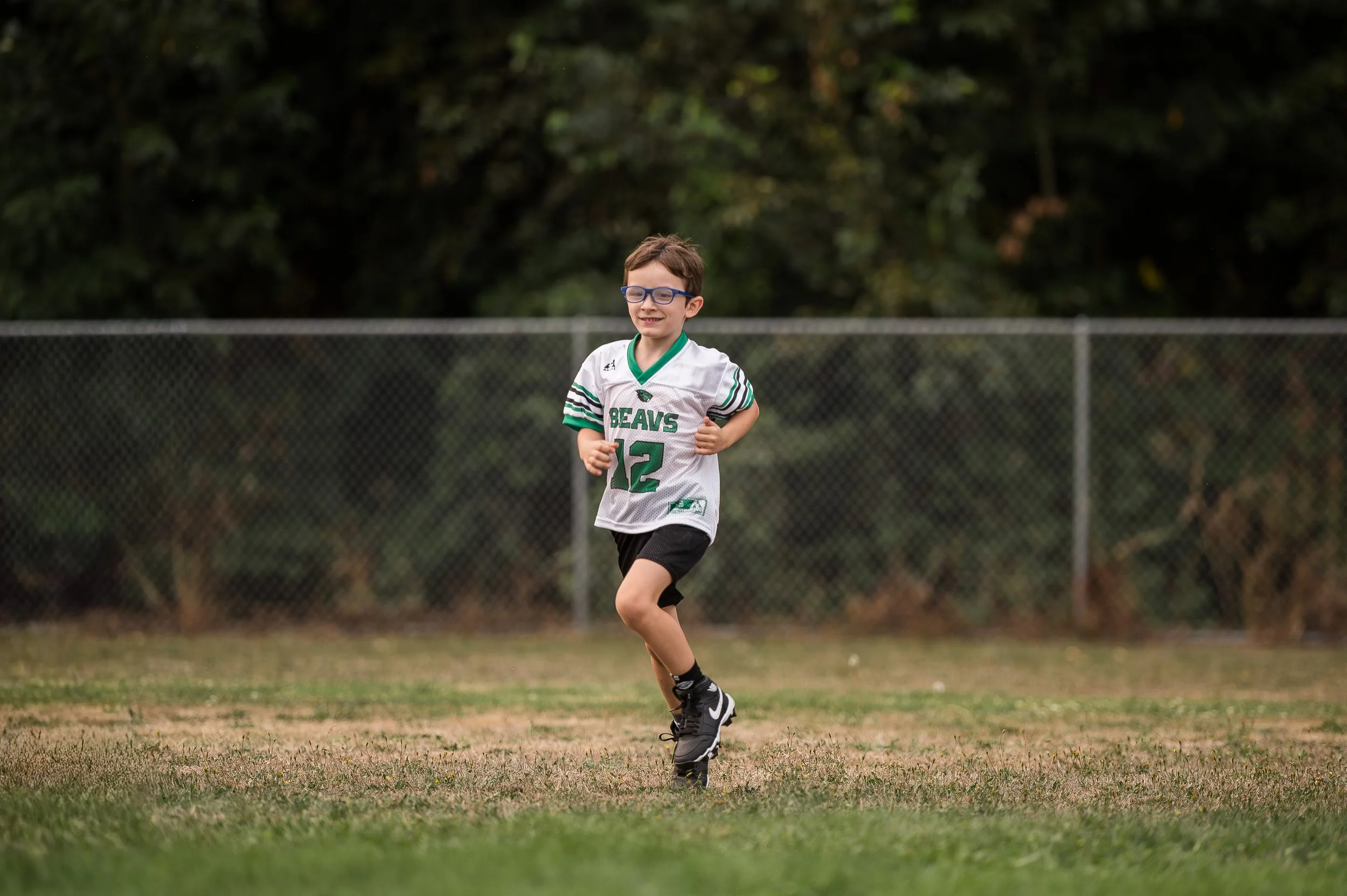
Every young athlete will face moments where effort and preparation still end in disappointment. Those moments are uncomfortable, but they are also where growth begins. Learning how to regulate emotion, stay accountable, and move forward after a hard day is a skill that shapes athletes far beyond any single competition.