
Success Isn’t Linear: A Message to Parents About Setbacks, Confidence, and Long-Term Development in Youth Wrestling
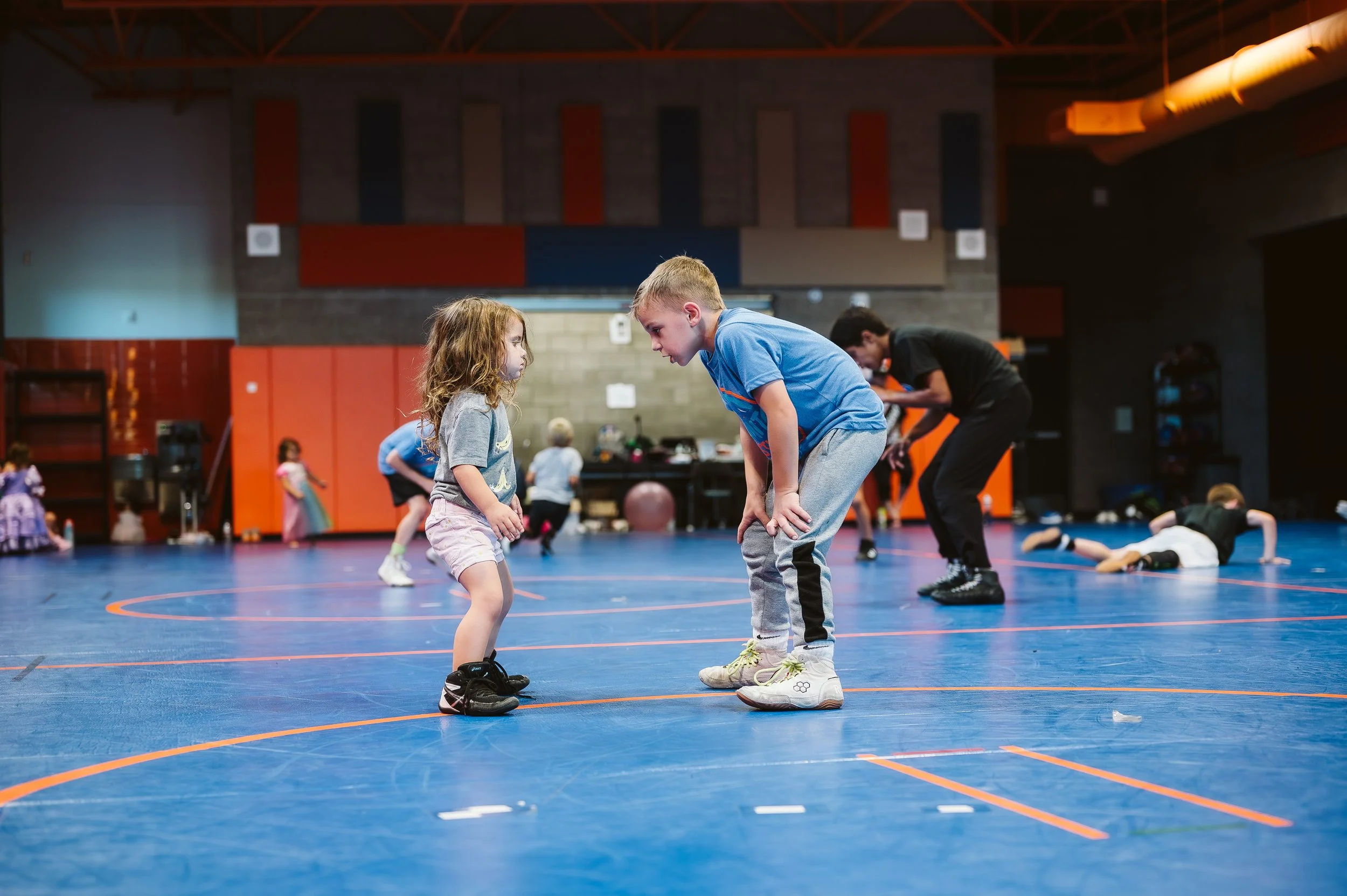
If you’re a parent of a young wrestler, you’ve probably seen something like this before: your athlete works hard, shows up to practice, trains consistently, talks about their goals, makes steady progress, and seems completely ready for the moment ahead. And then they walk into a bigger tournament, a louder gym, a tougher environment, and all of a sudden things don’t look the same. The lights feel brighter, the pressure feels heavier, and fear shows up in a way it didn’t before. Sometimes it feels like the match is lost before it even starts.
As coaches, we’ve seen this more times than we can count. Parents see it too, and naturally it raises questions. “What happened?” “Why did they freeze?” “They were doing so well… did something go backward?” Those moments feel like setbacks. They can shake confidence, frustrate athletes, and leave families wondering if something is wrong.
But here’s the truth: those moments are not failures. They are a normal part of the development process.
Success, especially in youth wrestling, is not a straight line. It does not move perfectly forward in predictable steps. Real growth is messy. It rises, falls, plateaus, recalibrates, and then moves forward again. It doesn’t always feel good while it’s happening, but it is often where the most meaningful development occurs.
What Success Really Looks Like in Youth Wrestling
It’s easy to imagine progress working like a simple equation: train harder, get better, win more, gain confidence. That feels logical. Unfortunately, that isn’t how development works, not physically, not mentally, and not emotionally.
In real life, progress tends to happen in waves. Athletes improve, level up, face bigger challenges, struggle against them, gain new understanding, and then grow again. A child may have a stretch where everything seems to fall into place and then suddenly hit a period where nothing feels easy. They may look confident one weekend and hesitant the next. That doesn’t automatically mean something is wrong. Most of the time, it means they’ve reached a new level of challenge and their mind and body are learning how to handle it.
Something commonly mistaken as regression is just development doing what development does.
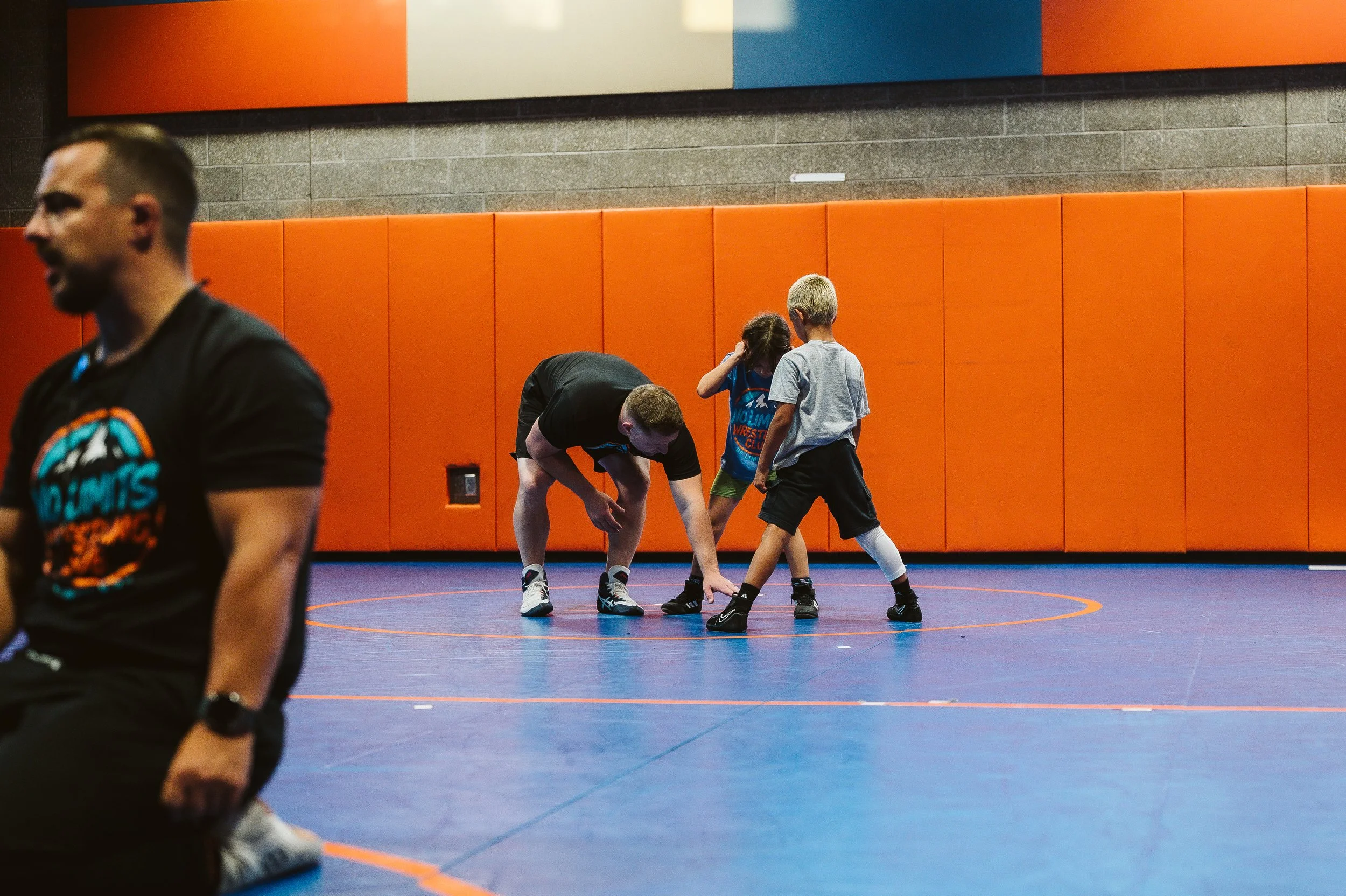
Why This Conversation Matters
Recently, we shared the idea that early success is not what determines who becomes successful long-term in youth wrestling.. Some athletes develop earlier, some later. Some progress quickly and then level out. Others take longer to bloom. None of that is unusual.
This conversation builds directly on that concept.
If we truly care about long-term development, not just short-term results, then we need to recognize something important: progress will not be constant. There will be times when kids feel confident and everything clicks, and there will also be times when doubt gets louder, fear shows up stronger, and performance dips.
That does not mean wrestling “isn’t for them.” It does not mean something is broken. It rarely even means they’re going backward.
Most of the time, it means they’re in the middle of learning something important about themselves, and that learning process takes time.
The Real Reason Many Kids Quit
Most kids don’t quit wrestling because they lack ability.
They quit because they hit a valley and mistake it for the end of the road.
A hard tournament,
A weekend where nothing went right,
A match where nerves got the better of them…
Instead of seeing those experiences as natural checkpoints in development, they believe they are proof they don’t belong or aren’t improving. The truth is, most athletes don’t quit when everything feels good. They quit in the middle — when progress isn’t visible, when confidence feels unstable, and when effort doesn’t immediately equal results.
That is exactly why it is so important that parents, coaches, and mentors understand what non-linear growth looks like and help kids stay in the journey long enough to benefit from it.
A Coach’s Perspective
We recently shared something with a parent that captures this philosophy well: showing up takes courage. Coming to practice takes courage. Attending camps, writing down goals, stepping into competitive environments, and putting yourself in situations where emotions are real and outcomes aren’t guaranteed, that takes courage too. That effort deserves to be recognized, regardless of what the scoreboard says.
Youth athletes will experience seasons of momentum and seasons of challenge. That is expected. We don’t define an athlete by one match, one weekend, or even one season. They’re still developing physically, mentally, emotionally, and socially, and they’re doing all of that inside of a sport that requires toughness, vulnerability, self-awareness, and resilience.
That’s a big load to carry. And it’s why moments that look like setbacks are often part of something much bigger being built.
Fear and Pressure Are Not the Enemy
When kids truly care, emotions show up. Fear, pressure, doubt, and expectation are part of caring deeply about anything demanding. None of this means something is wrong. It means the moment matters to them.
What matters is learning how to work through those emotions rather than hide from them. When young athletes begin talking about what they feel, instead of burying it, fear loses its ability to control the outcome. Many times, once a child says, “I was scared of letting people down,” or “I didn’t want to fail,” the feeling becomes less overwhelming. What once felt like an enormous shadow becomes something they can name, understand, and learn to manage.
That’s not just a wrestling skill. That’s a life skill.
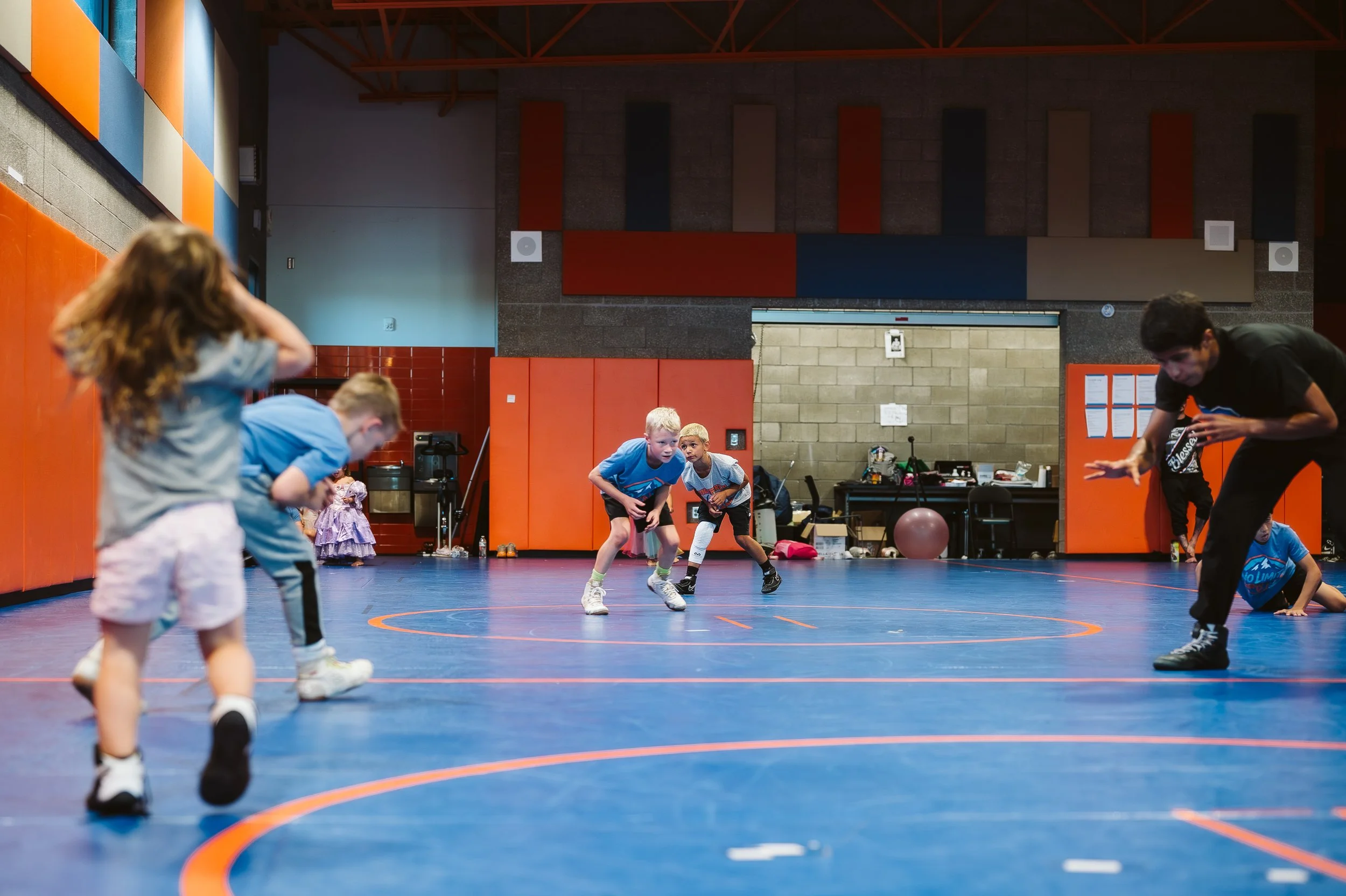
Why Small Goals Matter
One of the most effective ways to help kids navigate growth valleys is to shrink the goal.
Instead of focusing on “win the tournament,” “prove yourself,” or “dominate,” we help them focus on things that build forward movement:
Show up, step on the mat, try to apply what you’ve learned, score a point and most importantly, compete with effort.
Smaller, intentional goals reduce pressure and help confidence rebuild at the pace development needs. They help kids stay engaged rather than overwhelmed. They create opportunities for success even on difficult days.
The Bigger Picture: Long-Term Athlete Development
At No Limits Wrestling Club in Ridgefield, WA, our mission has never been to create “great 8-year-olds.” Our mission is to develop athletes who fall in love with wrestling, who stay in the sport long enough to truly grow, who learn to handle adversity instead of running from it, and who leave the mat better prepared for life because of what they learned here.
Early wins don’t determine that and perfect confidence doesn’t determine that.
Never struggling definitely doesn’t determine that.
What does? Longevity, resilience, perspective, and a willingness to keep showing up even when it’s hard.
Last week, we talked about why early success doesn’t define an athlete. This week is about understanding what real growth looks like over time. Those two ideas belong together, because long-term development only works when we prepare kids — and parents — to handle the inevitable ups and downs along the way.
Where Mindset Training Fits In
This is exactly why mindset training exists.
Mindset work isn’t about eliminating fear or magically turning kids into perfectly confident machines. It is about helping athletes understand their emotions, respond to pressure more effectively, reframe setbacks, and build confidence based on effort, preparation, and self-awareness. It’s also about supporting parents in understanding what their child is going through so they can walk alongside them in a healthy way.
We built our Mindset Training Course for this reason — to support athletes not only during highlight moments, but especially during the challenging ones.
Because those are the moments that shape long-term success.
Supporting Your Athlete Through Non-Linear Growth
If your athlete is experiencing confidence swings…
If they sometimes freeze in big moments…
If they’ve struggled recently even though you know how hard they work…
You are not alone, and neither are they.
This is part of the journey.
The kids who succeed long-term in this sport are rarely the ones who never encounter adversity. They’re the ones who continue showing up, continue working, continue learning, and continue believing there is value in pushing forward even when results don’t come instantly.
That’s where real development happens.
And we are here to support them , and you , through it.
Learn More About No Limits Wrestling Club
🌐 Website: https://www.strongwithlimitless.com
📸 Instagram: https://www.instagram.com/nolimitswrestlingwa
📘 Facebook: https://www.facebook.com/NoLimitsWrestlingClub
Sources & Further Reading
We believe in grounding our approach in real research and practical sports psychology. If you’d like to explore more, we recommend:
· Long-Term Development in Sport and Physical Activity 3.0 — Canadian Sport for Life (framework for youth athlete development). https://sportforlife.ca/long-term-development/ Sport for Life
· United States Olympic & Paralympic Committee — Athlete mental health & performance resources. https://www.usopc.org/mental-health U.S. Olympic and Paralympic Committee
· Association for Applied Sport Psychology — the professional sport psychology organization. https://appliedsportpsych.org/ Wikipedia
· The Champion’s Mind by Jim Afremow — mindset and performance psychology insights. https://www.barnesandnoble.com/w/the-champions-mind-jim-afremow/1115568924 Barnes & Noble
· Mindset: The New Psychology of Success by Carol S. Dweck — growth mindset research. https://www.goodreads.com/book/show/40745.Mindset
· Project Play — Aspen Institute youth sports participation research. https://www.aspenprojectplay.org/about
· Dan Gould — youth sport psychology and coach research (Michigan State University). https://education.msu.edu/people/g/gould-dan
