
Coaching Athletes Through Split-Family Dynamics Without Becoming the Middleman
One of the most difficult challenges in youth sports has very little to do with technique, conditioning, or competition. It often begins outside the training room, in the space where family dynamics directly affect an athlete’s ability to develop. Coaches who work with young athletes long enough will eventually encounter the complicated reality of split-family households. Divorce, long-distance parenting, inconsistent expectations between homes, and communication breakdowns between parents can all create significant obstacles for athlete development. The challenge for coaches is learning how to support the athlete without becoming emotionally entangled in family conflict.
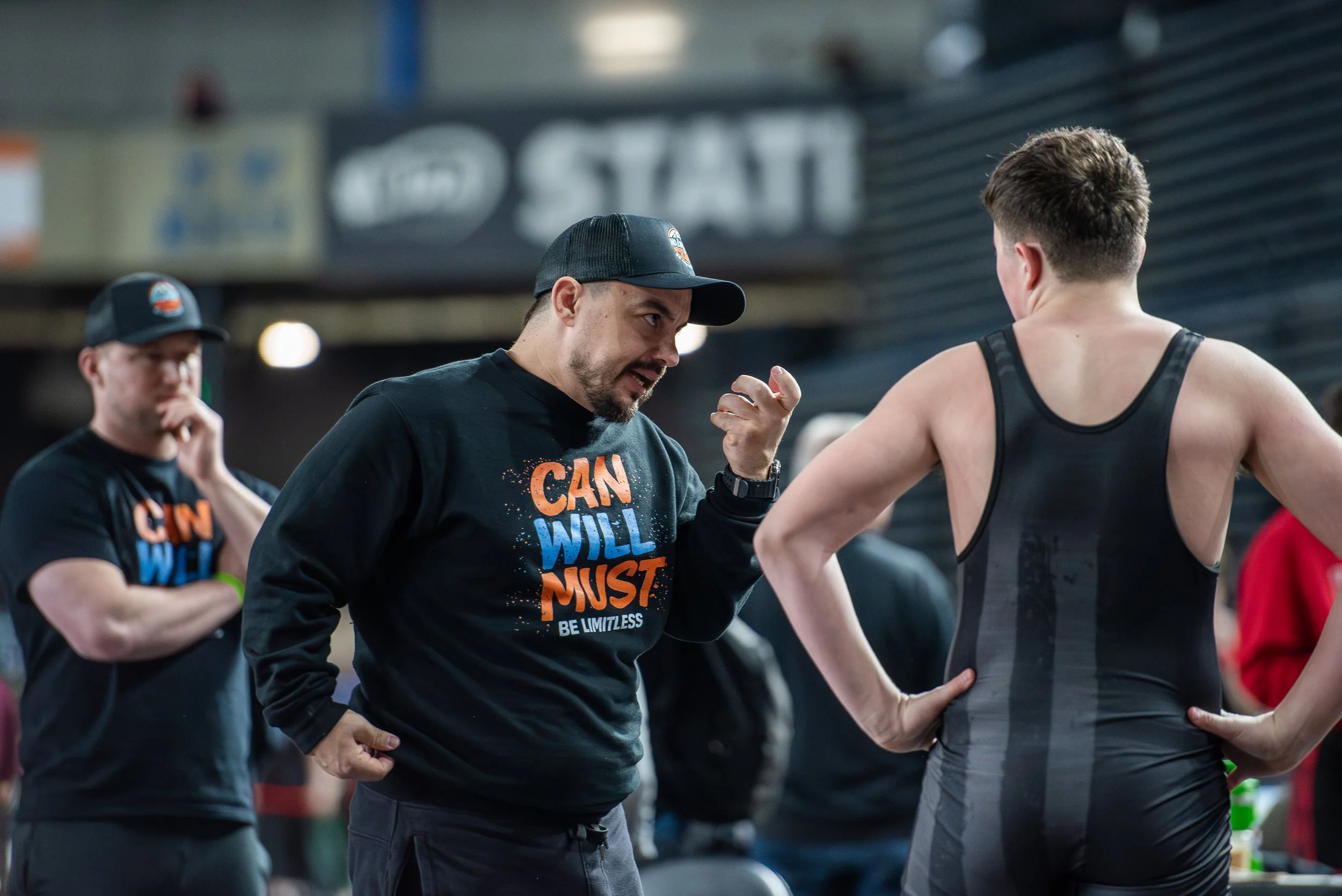
This is where many well-intentioned coaches make mistakes. They care deeply about the athlete, they can clearly see how instability at home affects performance, and they naturally want to help solve the problem. However, coaching athletes through split-family dynamics does not require becoming the referee between parents. In fact, doing so often creates more damage than progress. Effective coaching requires boundaries, clarity, and a long-term focus on the athlete rather than emotional investment in adult conflict.
Research in sport psychology consistently shows that environmental stability is one of the strongest predictors of youth athlete development. Côté and Vierimaa’s work on positive youth development emphasizes that young athletes thrive when they experience consistency in expectations, relationships, and support systems (Côté & Vierimaa, 2014). When those systems become fractured across multiple households, the athlete often carries emotional stress into training, competition, and recovery. Performance issues that appear to be motivational problems are frequently symptoms of instability rather than lack of commitment.
Many coaches initially interpret inconsistency as laziness. An athlete begins missing workouts, showing up emotionally distracted, or struggling with accountability, and the immediate assumption is often that they simply are not taking the sport seriously. In reality, the athlete may be navigating completely different standards depending on which household they are in that week. One parent may prioritize discipline, nutrition, and training structure, while the other prioritizes flexibility, entertainment, or avoiding conflict altogether. The athlete is left trying to adapt to two competing systems while still being expected to perform at a high level.
This challenge often begins with the same issue we discussed in The Six-Week Summer Visitation Problem, where extended time away from structure causes athletes to lose momentum long before coaches see the effects in the wrestling room.
This becomes particularly difficult in sports like wrestling, where progress depends heavily on routine. Weight management, recovery, sleep, mobility work, and conditioning cannot be separated from performance. Success is rarely built during competition alone; it is built in the consistency of ordinary days. Gould and Carson’s research on life skills development through sport supports this directly, showing that repeatable routines and self-regulation are far more predictive of long-term success than temporary motivation or emotional intensity (Gould & Carson, 2008). When structure disappears, development slows quickly.
Our article on When It’s Time for an Athlete to Take a Break also explains how structure and recovery can work together without allowing athletes to completely lose discipline and routine.
The role of the coach is not to repair family systems. It is to create stability where stability can be controlled. Coaches cannot determine what happens in both households, but they can create clear expectations inside their own environment. This means standards must remain predictable regardless of outside circumstances. Attendance expectations, communication protocols, accountability systems, and behavioral standards should not change based on parental conflict. Athletes need the training room to be a place of clarity rather than another source of emotional uncertainty.
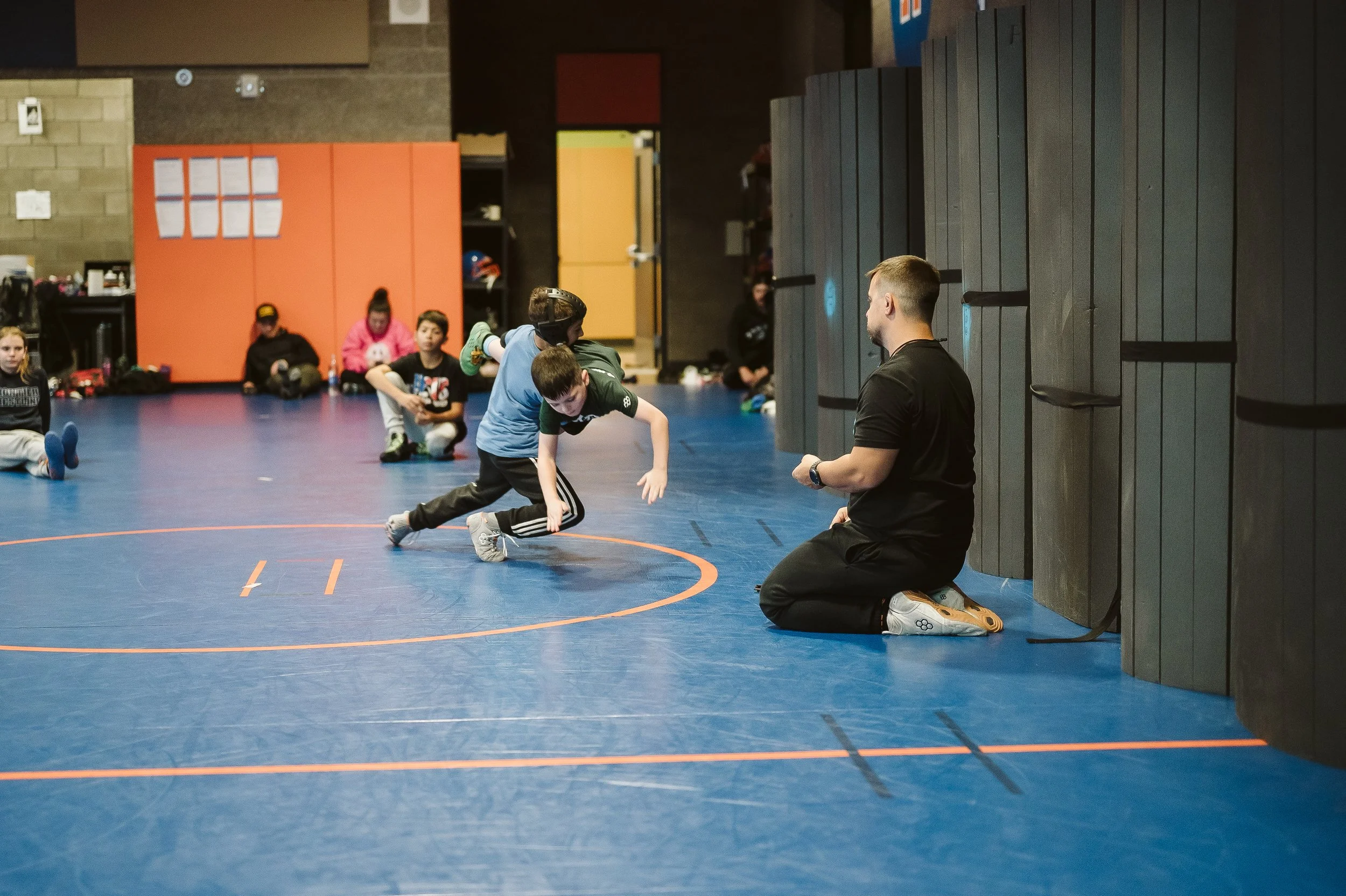
One of the most important lessons for coaches is understanding the difference between support and overreach. Support means helping the athlete build structure, confidence, and resilience. Overreach begins when the coach starts trying to manage parental disputes, interpret legal conflicts, or emotionally align with one parent over the other. Once a coach becomes the middleman, trust deteriorates quickly and the athlete often becomes caught in deeper emotional triangulation. The coaching relationship should remain centered on development, not divided loyalties.
Research on parent involvement in youth sport demonstrates that children are highly sensitive to parental tension, even when adults believe they are shielding them from it. Eccles and Harold found that family conflict and inconsistent parental expectations significantly influence both motivation and long-term participation in sports (Eccles & Harold, 1991). When coaches unintentionally contribute to that conflict by acting as messengers or emotional advocates, the athlete often experiences even greater pressure rather than relief.
Communication with parents must remain professional, neutral, and athlete-centered. Coaches should avoid emotionally loaded conversations and instead focus on objective standards. Discussions should revolve around attendance, recovery, goals, development plans, and training expectations rather than personal opinions about parenting decisions. Clear documentation, consistent language, and boundaries protect both the athlete and the coach. The goal is not to win adult arguments. The goal is to preserve developmental consistency.
This also requires coaches to accept that not every problem can be solved immediately. Sometimes an athlete will regress because life is unstable. Sometimes progress will slow because emotional bandwidth is limited. Sometimes the best coaching decision is not pushing harder, but maintaining steady expectations while allowing the athlete space to regain stability. The pressure to “fix” everything often creates worse outcomes than patient consistency.
Parents also need to understand that coaches are not replacement parents. A strong coach can provide mentorship, accountability, and leadership, but they cannot replace healthy family structure. Expecting coaches to compensate entirely for instability at home creates unrealistic pressure and eventually damages the athlete-coach relationship. Long-term development requires alignment between adults, even when households look different.
For parents trying to understand their role in long-term development, our blog on Support Without Suffocation breaks down how to help athletes grow without creating unnecessary pressure.
The healthiest approach is simple, but not easy. Coaches should stay in their lane while remaining deeply invested in athlete development. They should lead with standards instead of emotion, consistency instead of reaction, and boundaries instead of rescue. Athletes benefit most from adults who remain steady, especially when other parts of life feel unpredictable.
The best coaches are rarely the loudest voices in family conflict. They are often the calmest. They are the adults who refuse to escalate chaos, who maintain professionalism when emotions rise, and who understand that protecting the athlete sometimes means saying less, not more. The training room should be a place where athletes experience clarity, structure, and trust. For many young athletes navigating split-family dynamics, that consistency becomes one of the most important forms of support they receive.
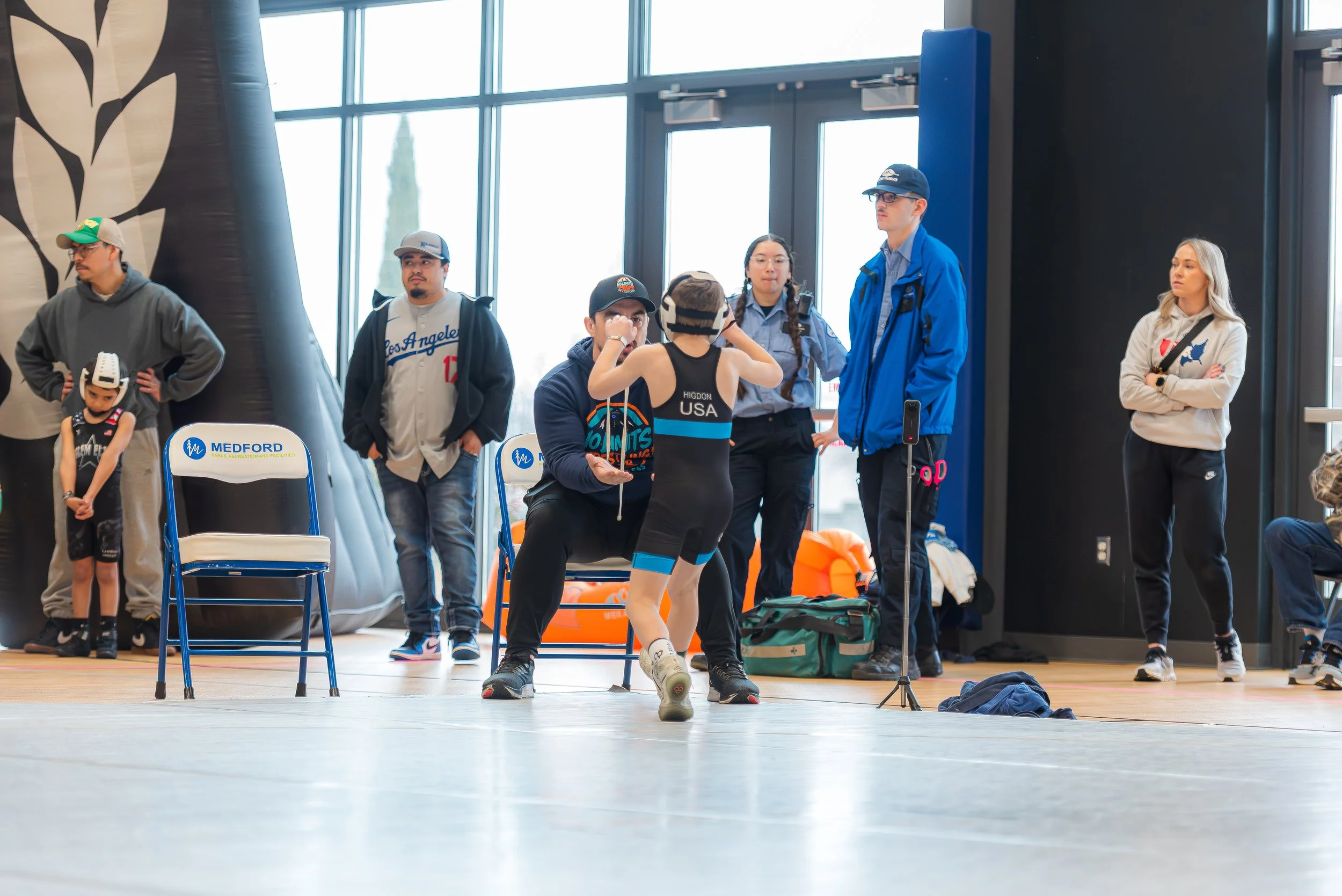
Long-term athlete development has always depended on more than talent. It depends on environment, relationships, and the ability to keep moving forward when life becomes complicated. Coaches cannot control every household dynamic, but they can control the culture they build. In youth sports, that responsibility matters far more than most people realize.
Strong athletes are built through consistency, not chaos.
If your athlete is struggling with structure, motivation, confidence, or consistency—especially through difficult family dynamics—you do not have to navigate it alone. At Strong With Limitless, we help athletes and families build systems that support long-term growth both on and off the mat.
Whether your athlete needs accountability, performance coaching, mindset development, or simply a stronger foundation, we are here to help create real progress that lasts.
Apply for Athlete Development CoachingReferences + Further Reading
Côté, J., & Vierimaa, M. (2014). Positive youth development through sport. In A. L. Turnnidge & J. Côté (Eds.), Routledge Companion to Sport and Exercise Psychology. This work supports the importance of environmental stability, consistent expectations, and structured support systems in long-term athlete development. It explains how competence, confidence, connection, and character are heavily influenced by the daily environment surrounding the athlete.
Gould, D., & Carson, S. (2008). Life skills development through sport: Current status and future directions. International Review of Sport and Exercise Psychology, 1(1), 58–78. This research supports the role of repeatable routines, discipline, and self-regulation in athlete development. It reinforces the idea that structure and daily habits matter more than temporary motivation or emotional intensity.
Eccles, J. S., & Harold, R. D. (1991). Parent involvement in children’s achievement. In this body of work and related youth sport research, the authors explain how parental expectations, emotional climate, and household consistency directly affect youth athlete motivation, confidence, and long-term participation.
Jowett, S., & Cockerill, I. M. (2003). Olympic medallists’ perspective of the athlete–coach relationship. Psychology of Sport and Exercise, 4(4), 313–331. This supports the importance of trust, role clarity, and emotional stability in coach-athlete relationships, particularly when outside stressors such as family conflict create instability for the athlete.
American Academy of Pediatrics. (2001). Organized sports for children and preadolescents. Pediatrics, 107(6), 1459–1462. This publication supports the importance of adult leadership, boundaries, and predictable structure in healthy youth sports participation and development.
Fraser-Thomas, J., Côté, J., & Deakin, J. (2005). Youth sport programs: An avenue to foster positive youth development. Physical Education and Sport Pedagogy, 10(1), 19–40. This article explains how the quality of coaching environments and adult support systems strongly influences whether youth sports produce positive developmental outcomes.
Turnnidge, J., Côté, J., & Hancock, D. J. (2014). Positive youth development from sport to life: Explicit or implicit transfer? Quest, 66(2), 203–217. This work supports how lessons learned in structured sport environments transfer into life skills such as resilience, emotional regulation, and personal accountability when adults create intentional systems.
