
The Six-Week Summer Visitation Problem: Why Athletes Lose Momentum
Every coach sees it happen. An athlete works hard all spring, their conditioning improves, their confidence starts to rise, and their discipline begins turning into habit instead of something they constantly have to be reminded to do. Technique sharpens, routines become stronger, and they start building the kind of consistency that separates long-term athletes from kids who simply participate.
Then summer arrives.
For many families, summer also means extended visitation schedules. Six weeks away from their normal structure can mean a completely different household rhythm—different rules, different priorities, different expectations for bedtime, food, training, accountability, and discipline. When the athlete comes back, it often feels like starting over.
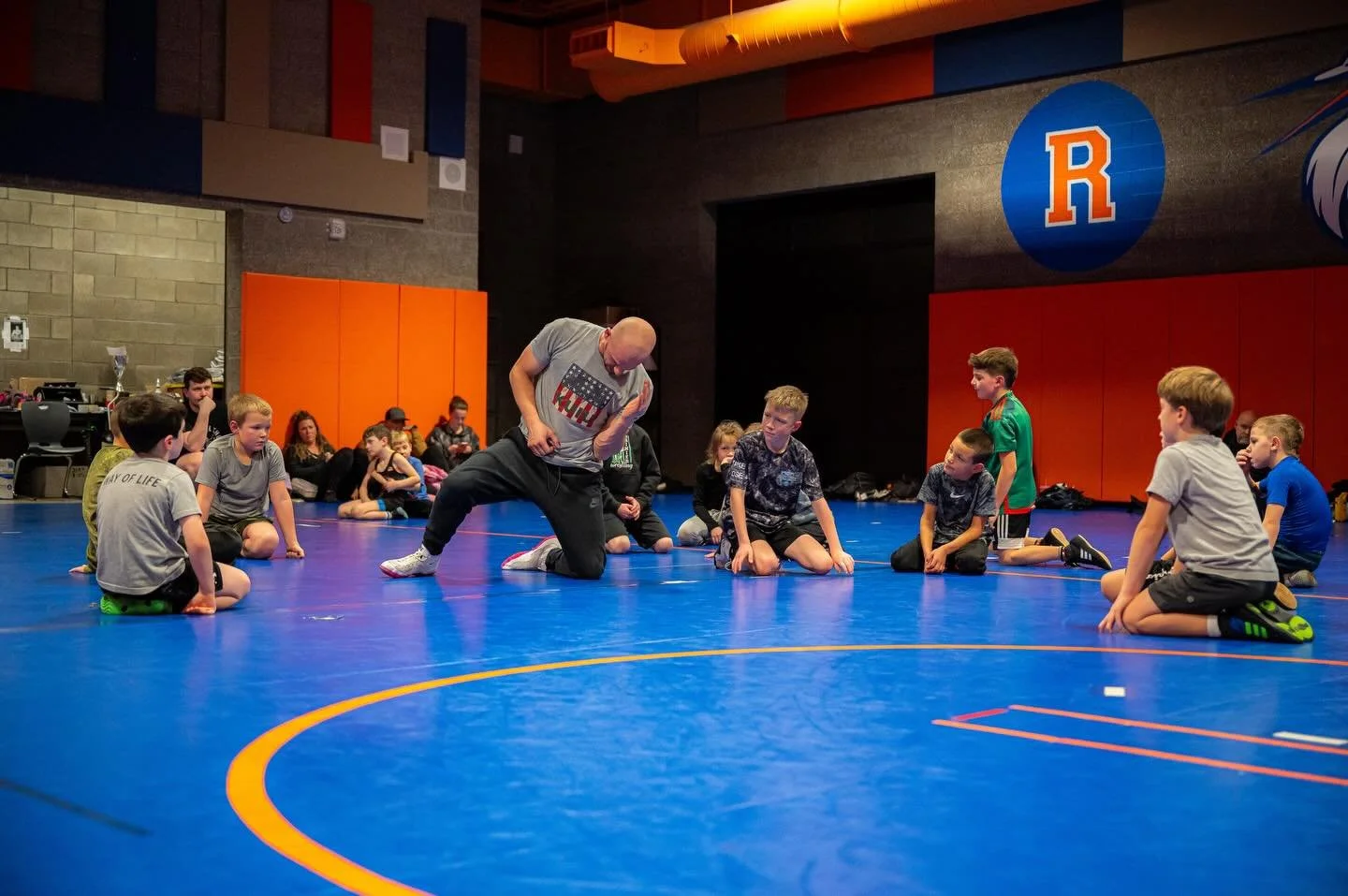
This is one of the hardest realities of coaching youth athletes in split-family dynamics, and it is something very few people talk about honestly. Summer visitation can absolutely disrupt athletic development, not because parents do not care, but because consistency is what builds athletes, and consistency is often the first thing that disappears.
This is especially true in sports like wrestling, where progress depends heavily on routine, discipline, conditioning, recovery, and emotional regulation. Research on positive youth development in sport shows that stable environments and repeated habits are major predictors of long-term success, particularly for young athletes who are still learning how to regulate themselves (Côté & Vierimaa, 2014). You cannot build high-level habits on part-time structure, and kids should not be expected to hold all of that together by themselves.
Momentum Is Built in the Ordinary Things
Most people think athletic development happens during tournaments, championships, and big performances. In reality, most progress is built during ordinary days. It happens when athletes show up tired, go to practice when motivation is low, run when nobody is watching, sleep enough, eat like performance matters, recover properly, and repeat those simple habits over and over again. Those ordinary decisions are what create long-term progress.
This idea connects closely with our article on Early Success vs. Long-Term Development, where we explain why short-term wins rarely predict who becomes the best athlete later.
Sports psychology research consistently shows that self-regulation, routine, and environmental consistency are stronger predictors of long-term development than emotional motivation alone. Gould and Carson’s work on life skills through sport emphasizes that repeatable behaviors and structure create sustainable progress far more effectively than temporary bursts of inspiration (Gould & Carson, 2008).
When an athlete leaves for several weeks and that structure disappears, it is rarely just missed practices. It becomes late nights, inconsistent sleep, poor nutrition, skipped conditioning, less accountability, and the slow erosion of standards. By the time they return, coaches are often not rebuilding wrestling skills—they are rebuilding discipline, and that takes much longer.
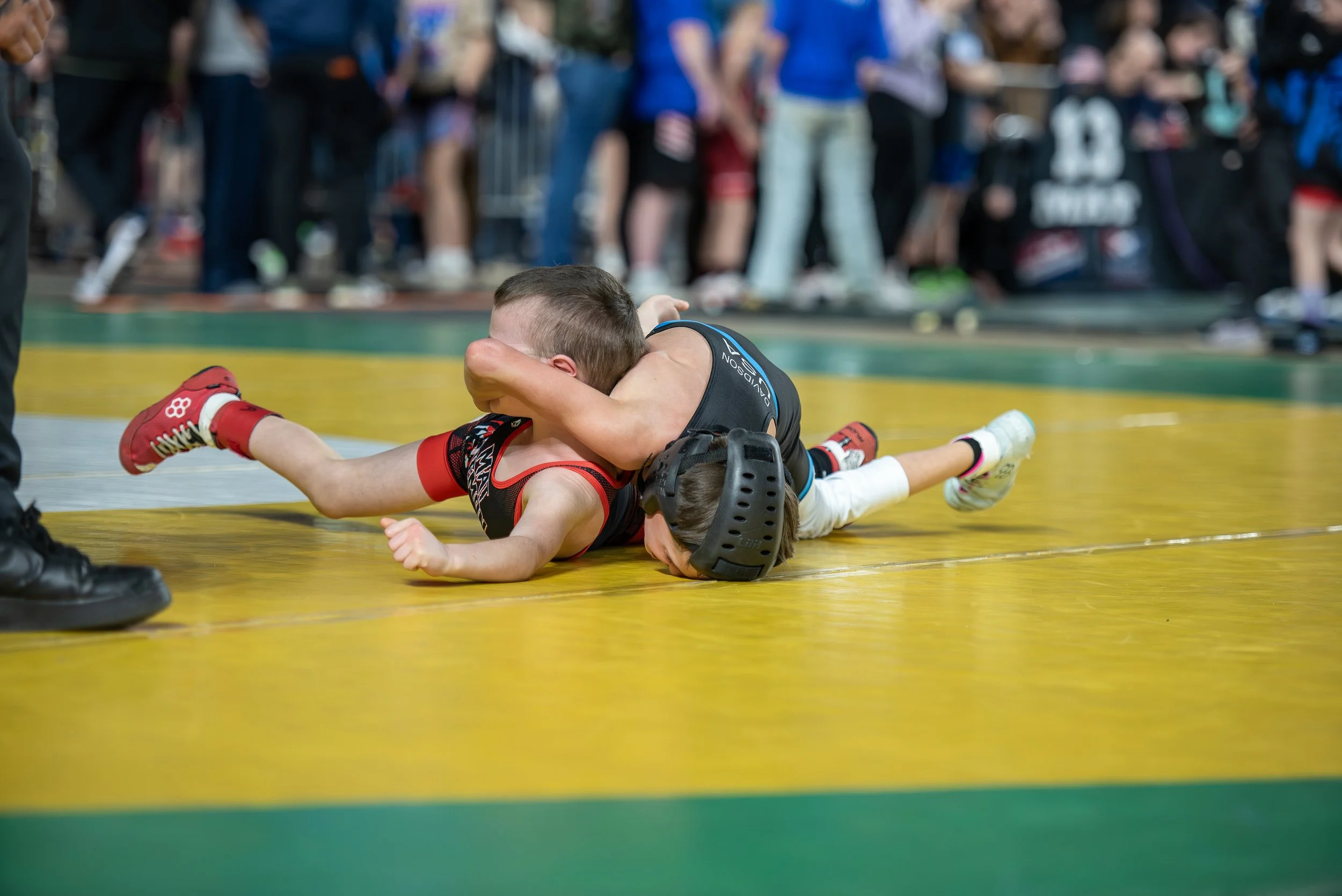
Summer Regression Is Not Always About Laziness
Parents often assume the athlete simply “fell off,” but that is usually not the full story. Most kids do not know how to self-regulate structure across two households with completely different expectations. Adults struggle with consistency themselves, so expecting a twelve-year-old to independently maintain discipline without strong environmental support is unrealistic.
This becomes even harder when one home prioritizes development and the other prioritizes entertainment. Children are not usually choosing long-term growth; they are responding to the environment directly in front of them. That is normal developmental behavior.
Research on parent involvement in youth sports found that household expectations, parental consistency, and emotional support strongly influence athlete motivation and long-term participation. Kids rarely rise above the systems surrounding them (Eccles & Harold, 1991). This is why parents and coaches have to stop framing inconsistency as laziness and start building systems that make consistency easier. Motivation is unreliable. Structure protects development.
For parents trying to balance structure across multiple households, our article on When It’s Time for an Athlete to Take a Break helps explain the difference between healthy recovery and losing momentum entirely.
Coaches Cannot Parent From the Wrestling Room
This is where many coaches feel stuck. They can see the problem before it happens, predict the regression, and feel the frustration of rebuilding the same habits every August. But coaches cannot fix household dynamics from the wrestling room, and they should not try.
Good coaching does not mean becoming the referee between divorced parents. It means controlling what can actually be controlled: clear expectations, simple routines, repeatable accountability systems, and consistent standards inside the training environment. The goal is never to pick sides. The goal is to protect the athlete.
That requires boundaries, not emotional involvement.
Research on coach-athlete relationships supports this heavily. Athletes perform better when coaches remain emotionally stable, role-consistent, and development-focused rather than becoming involved in household conflict or family instability. The wrestling room should be a place of clarity, not emotional chaos.
What Actually Helps During Long Summer Visitation
Perfect compliance is unrealistic, but better systems are not. Some of the best solutions are also the simplest: a weekly running schedule, basic bodyweight workouts, a mobility checklist, a simple sleep target, hydration goals, daily walk expectations, a technique notebook, and video review assignments. Often, ten-minute movement standards are far more effective than unrealistic two-hour expectations that nobody consistently follows.
The goal is not perfection. The goal is preventing total shutdown.
Consistency beats intensity nearly every time. Ericsson’s research on deliberate practice shows that repeated small efforts over time create stronger long-term development than occasional high-intensity effort without consistency (Ericsson et al., 1993). Restarting from zero every August is exhausting for everyone, especially the athlete. Small standards protect big progress.
Parents Need to Stop Competing for “Fun Parent” Status
This part gets uncomfortable, but it matters. Too many parents unintentionally sabotage development because they are afraid of being seen as the strict parent. They do not want summer to feel like rules. They want it to feel like freedom.
But freedom without structure usually becomes chaos.
Kids need both support and standards. They need adults willing to protect long-term goals even when it feels unpopular in the short term. Being the parent who says no to skipping training is not cruelty. It is leadership. Being the parent who protects discipline is not controlling. It is parenting.
Athletes need adults who can think further ahead than the next weekend.
The American Academy of Pediatrics has repeatedly emphasized that healthy youth development in sports depends on boundaries, adult guidance, and predictable standards—not unrestricted freedom and not constant pressure. The best parents are rarely the ones trying to be the most liked. They are the ones willing to protect the bigger picture.
If you have ever felt pressure to constantly push more sports, more lessons, and more competition, our blog on Stop Obsessing Over Your Athlete Only Playing One Sport breaks down why long-term development matters more than doing everything at once.
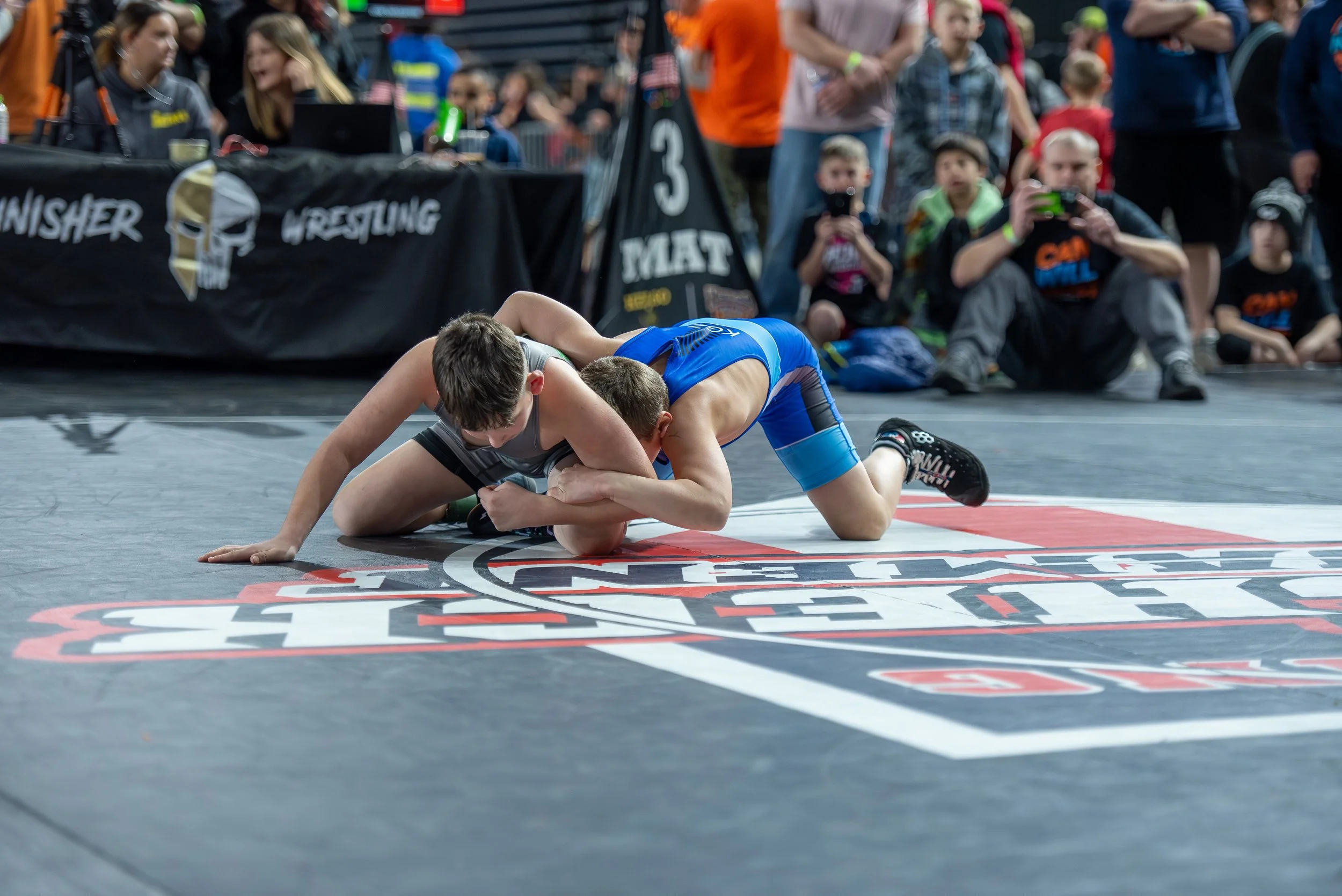
Long-Term Development Always Wins
The goal is never just surviving one summer. The goal is building an athlete who learns how to carry discipline into every environment. That takes years. It takes repetition. It takes adults who stay steady. It takes coaches who understand that regression is part of development, not proof of failure.
Most importantly, it takes perspective.
One disrupted summer does not ruin an athlete. Repeated years of inconsistency absolutely can.
This is why structure matters. This is why boundaries matter. This is why coaching and parenting both require long-term vision.
Because talent is never enough.
The athletes who separate later are usually not the most gifted. They are the ones who learned how to stay consistent when life became inconvenient, uncomfortable, and messy. That is the real work, and that work matters most in summer.
References + Further Reading
Côté, J., & Vierimaa, M. (2014). Positive youth development through sport. In A. L. Turnnidge & J. Côté (Eds.), Routledge companion to sport and exercise psychology. This work supports the role of consistency, stable environments, and environmental structure in long-term athlete development and emphasizes that competence, confidence, connection, and character are shaped by the daily sport environment.
Vierimaa, M., Erickson, K., Côté, J., & Gilbert, W. (2012). Positive youth development: A measurement framework for sport. International Journal of Sports Science & Coaching, 7(3), 601–614. This article outlines the 4Cs model of positive youth development—competence, confidence, connection, and character—and explains how coaching environments directly shape developmental outcomes.
Gould, D., & Carson, S. (2008). Life skills development through sport: Current status and future directions. International Review of Sport and Exercise Psychology, 1(1), 58–78. This research supports the idea that discipline, routine, and repeatable behaviors build stronger long-term outcomes than temporary motivation spikes.
Eccles, J. S., & Harold, R. D. (1991). Gender differences in sport involvement: Applying the Eccles expectancy-value model. This work and related parent-involvement research help explain how parental expectations, household consistency, and emotional support strongly influence youth athlete motivation and long-term participation.
Ericsson, K. A., Krampe, R. T., & Tesch-Römer, C. (1993). The role of deliberate practice in the acquisition of expert performance. Psychological Review, 100(3), 363–406. This foundational study supports the principle that small repeated effort over time produces stronger long-term development than occasional high-intensity effort without consistency.
American Academy of Pediatrics. (2001). Organized sports for children and preadolescents. Pediatrics, 107(6), 1459–1462. This supports the importance of boundaries, adult guidance, and predictable structure in healthy youth sport development.
Fraser-Thomas, J., Côté, J., & Deakin, J. (2005). Youth sport programs: An avenue to foster positive youth development. Physical Education and Sport Pedagogy, 10(1), 19–40. This article supports the idea that the quality of the environment—not just participation itself—determines whether youth sports create positive developmental outcomes.
Turnnidge, J., Côté, J., & Hancock, D. J. (2014). Positive youth development from sport to life: Explicit or implicit transfer? Quest, 66(2), 203–217. This work explains how habits and lessons learned in sport transfer into life skills, particularly when coaches and parents create intentional systems.
