
When Pressure Boils Over: Why the Wrestling Room Is the Safest Place for Emotional Growth
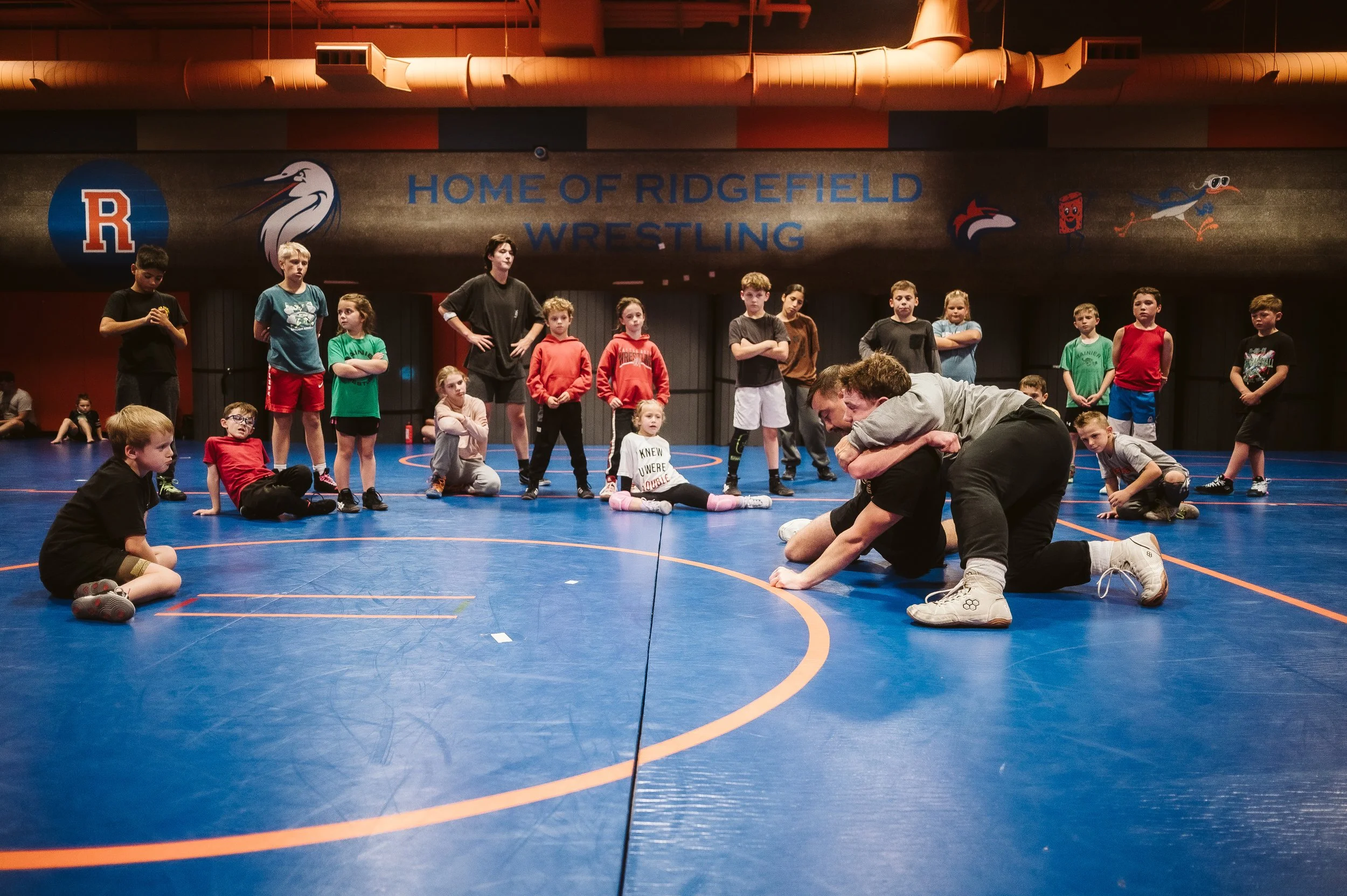
As major competitions approach, pressure within youth sport environments increases in predictable ways. Training volume rises, expectations intensify, and athletes begin to experience cumulative physical and emotional fatigue. In wrestling, a sport characterized by direct accountability and constant evaluation, these stressors are often magnified. Emotional responses under pressure are not anomalies; they are expected outcomes of sustained effort in high-stakes environments (Lazarus & Folkman, 1984).
During periods of heightened stress, emotional overflow may occur. Athletes may display frustration, anger, or visible distress during practice. From an external perspective—particularly a parental one—these moments can appear alarming or embarrassing. From a developmental and psychological standpoint, however, they provide valuable information. Emotional responses under stress function as feedback, revealing how an athlete currently appraises challenge, threat, and self-efficacy (Gross, 1998).
The presence of emotion is not evidence of failure. It is evidence of engagement.
Wrestling as a High-Demand Emotional Environment
Wrestling places unique psychological demands on young athletes. Unlike many team sports, it offers little opportunity to diffuse responsibility. Performance outcomes are immediate and public, and mistakes are directly linked to consequences. This structure increases emotional exposure, particularly during periods of competitive stress.
Research in sport psychology consistently shows that emotionally demanding environments are not inherently harmful. Rather, outcomes depend on how stress is framed, supported, and guided (Fletcher & Sarkar, 2012). When athletes are provided with appropriate structure, mentorship, and accountability, stress becomes a mechanism for psychological adaptation rather than breakdown.
Emotion regulation research supports this distinction. Strategies such as cognitive reappraisal—learning to reinterpret stressors as challenges rather than threats—are associated with better emotional control, improved performance, and healthier interpersonal relationships (Gross, 2002). Avoidance or suppression of emotion, by contrast, is associated with increased physiological stress and poorer long-term outcomes.
Wrestling, when coached intentionally, creates repeated opportunities for athletes to practice adaptive emotional regulation in real time.
The Importance of Context: Why the Wrestling Room Matters
The question is not whether young athletes will experience frustration, anger, or emotional overload. The question is where and under what conditions those experiences occur.
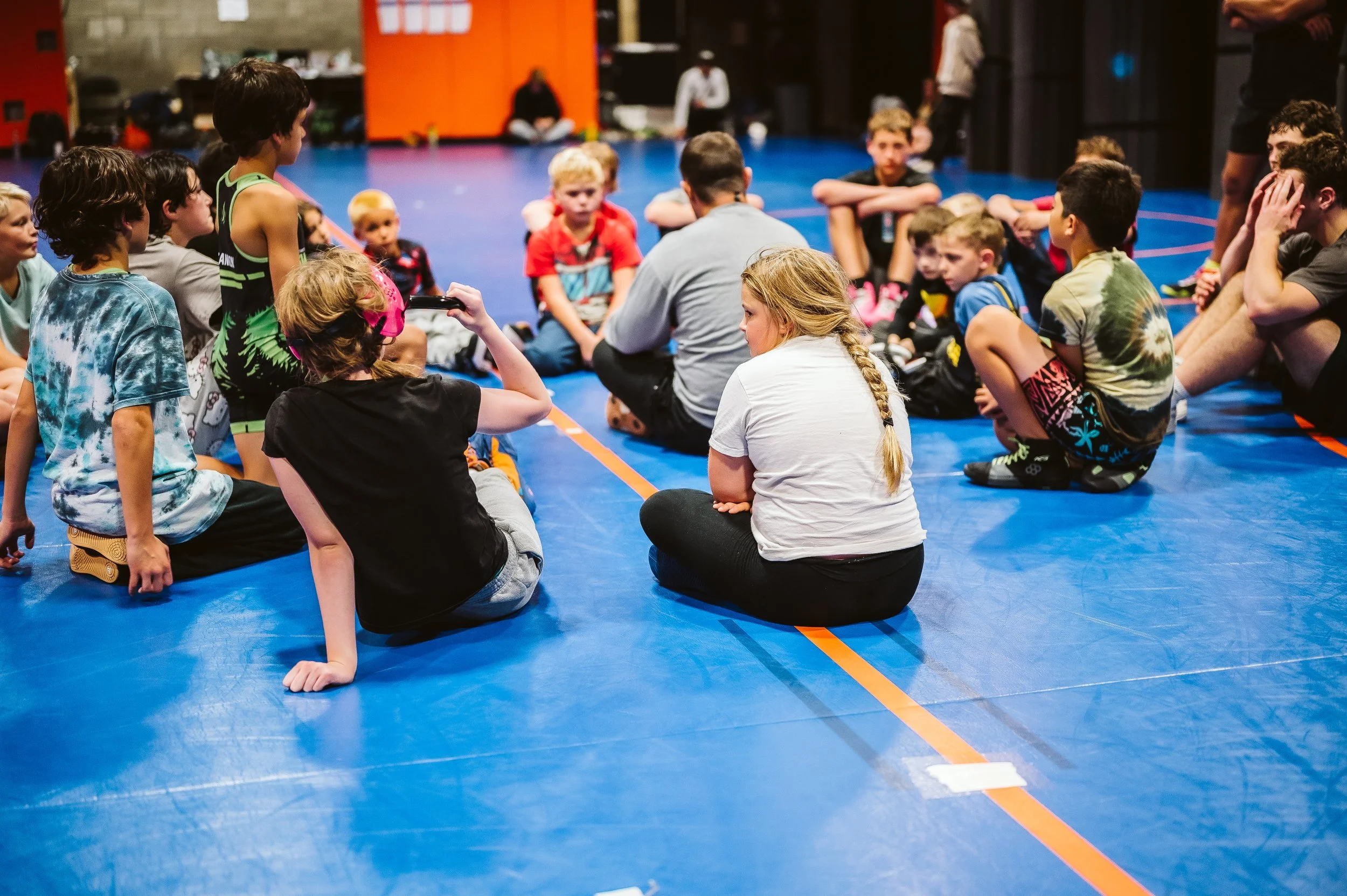
At No Limits Wrestling Club in Ridgefield, WA, the wrestling room is structured to give athletes clear expectations, coaching support, and a safe place to learn emotional control under pressure.
Unstructured environments—classrooms, social settings, unsupervised peer interactions—rarely offer the guidance necessary to process emotional intensity constructively. In contrast, the wrestling room provides a controlled setting: physical boundaries, clear behavioral expectations, and trained adults whose role includes both safety and instruction.
Research on coach-created motivational climates demonstrates that environments emphasizing accountability, autonomy support, and learning over punishment reduce maladaptive emotional responses and antisocial behavior (Ruiz et al., 2019; Zhong et al., 2025). Conflict itself is not the primary risk factor. A lack of structure, mentorship, and repair mechanisms is.
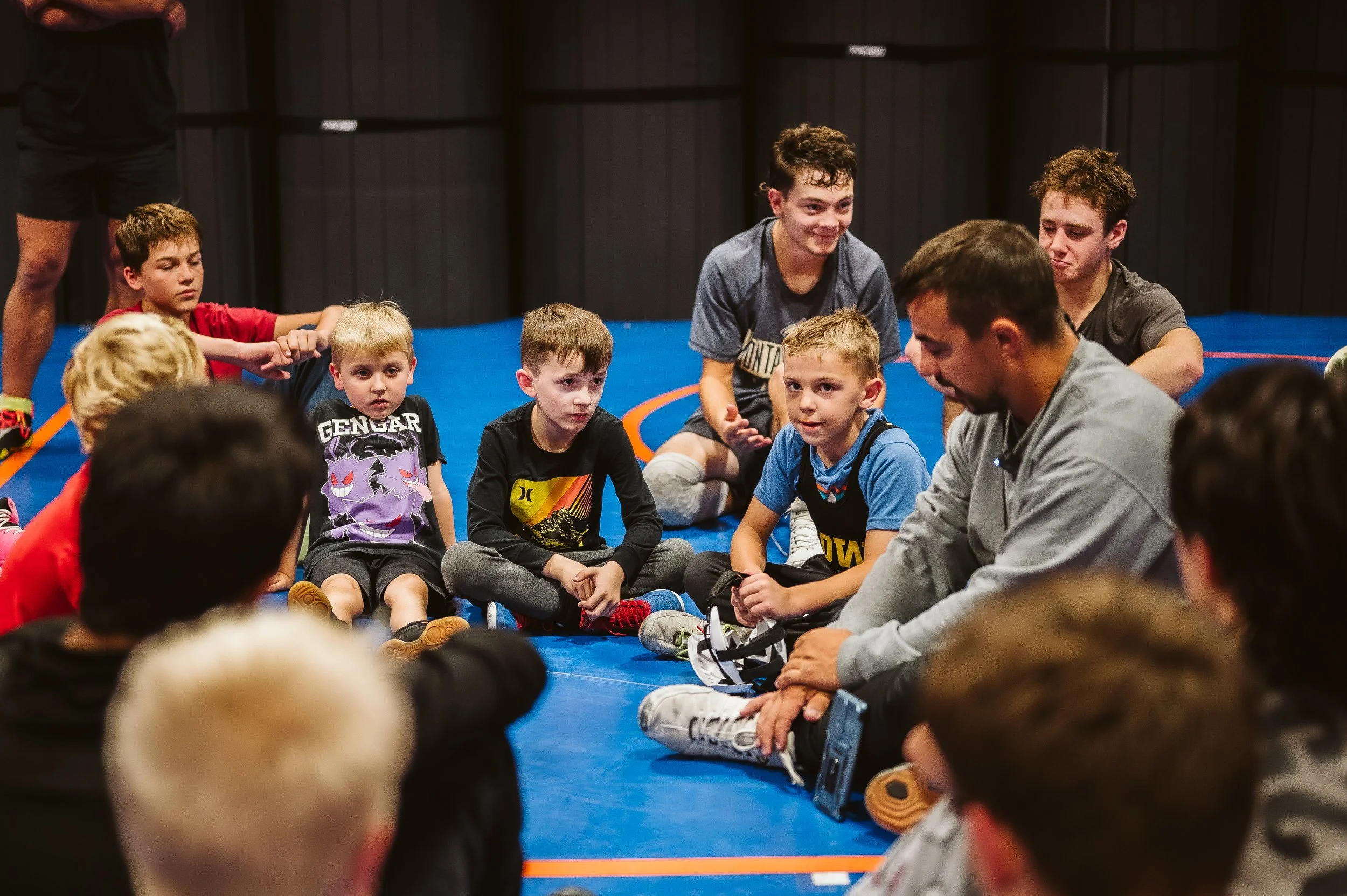
Within a supervised training environment, emotional incidents can be addressed immediately through reflection, coaching intervention, and guided reset. This process teaches athletes that emotional responses are manageable and repairable, rather than shameful or disqualifying.
Allowing Struggle Without Promoting Harm
Modern youth sport culture often attempts to minimize discomfort in the name of protection. While emotional support is critical, excessive avoidance of challenge can unintentionally hinder emotional development. Athletes who are shielded from struggle are less likely to develop effective coping strategies when pressure inevitably arises (Sarkar & Fletcher, 2014).
Psychological resilience research emphasizes that exposure to manageable stressors—paired with appropriate support—strengthens adaptive functioning. This process, sometimes referred to as stress inoculation, prepares individuals to respond effectively under future pressure (Mace, 1986).
In wrestling, athletes routinely encounter emotionally intense situations: losing positions, physical exhaustion, competitive defeat. These experiences are not harmful in themselves. Harm emerges when athletes are either punished for emotional responses or left without guidance on how to regulate and recover.
Intentional coaching bridges that gap by teaching control rather than suppression.
Character Development Through Guided Adversity
The developmental goals of youth sport extend beyond skill acquisition. Wrestling environments that emphasize accountability, reflection, and repair contribute to broader moral and interpersonal development.
Research on moral decision-making and aggression in youth sport highlights the role of coaching norms and expectations in shaping behavior (Chow et al., 2009; Lee et al., 2007). When athletes are taught to take ownership, communicate after conflict, and restore relationships, emotional incidents become opportunities for growth rather than markers of failure.
Mental toughness literature further supports this process. Psychological resilience and toughness are not fixed traits; they are developed through repeated exposure to challenge, followed by reflection and adjustment (Connaughton et al., 2008; Jones et al., 2002).
Hard moments do not define athletes. Patterns of response do.
Coaching Emotional Regulation as a Skill
Emotional regulation does not emerge spontaneously under pressure. It must be trained.
Foundational emotion regulation research distinguishes between maladaptive strategies, such as emotional suppression, and adaptive strategies, such as cognitive reframing and action-oriented coping (Gross, 1998). Athletes who are taught to recognize emotional states, interrupt negative cognitive spirals, and refocus attention demonstrate improved emotional control and faster recovery following setbacks (Tamminen et al., 2021).
Applied sport psychology models emphasize structured processes for emotional reset. These models align closely with resilience-based training approaches that prioritize awareness, intentional response, and forward action (Li et al., 2025).
Importantly, these skills are transferable. Emotional regulation strategies learned in sport contexts generalize to academic, social, and professional environments.
Evidence of Development in Practice
One of the clearest indicators of effective emotional development is recovery. Research consistently shows that the ability to return to task engagement following emotional disruption predicts long-term success more accurately than the absence of emotional response (Fletcher & Sarkar, 2012).
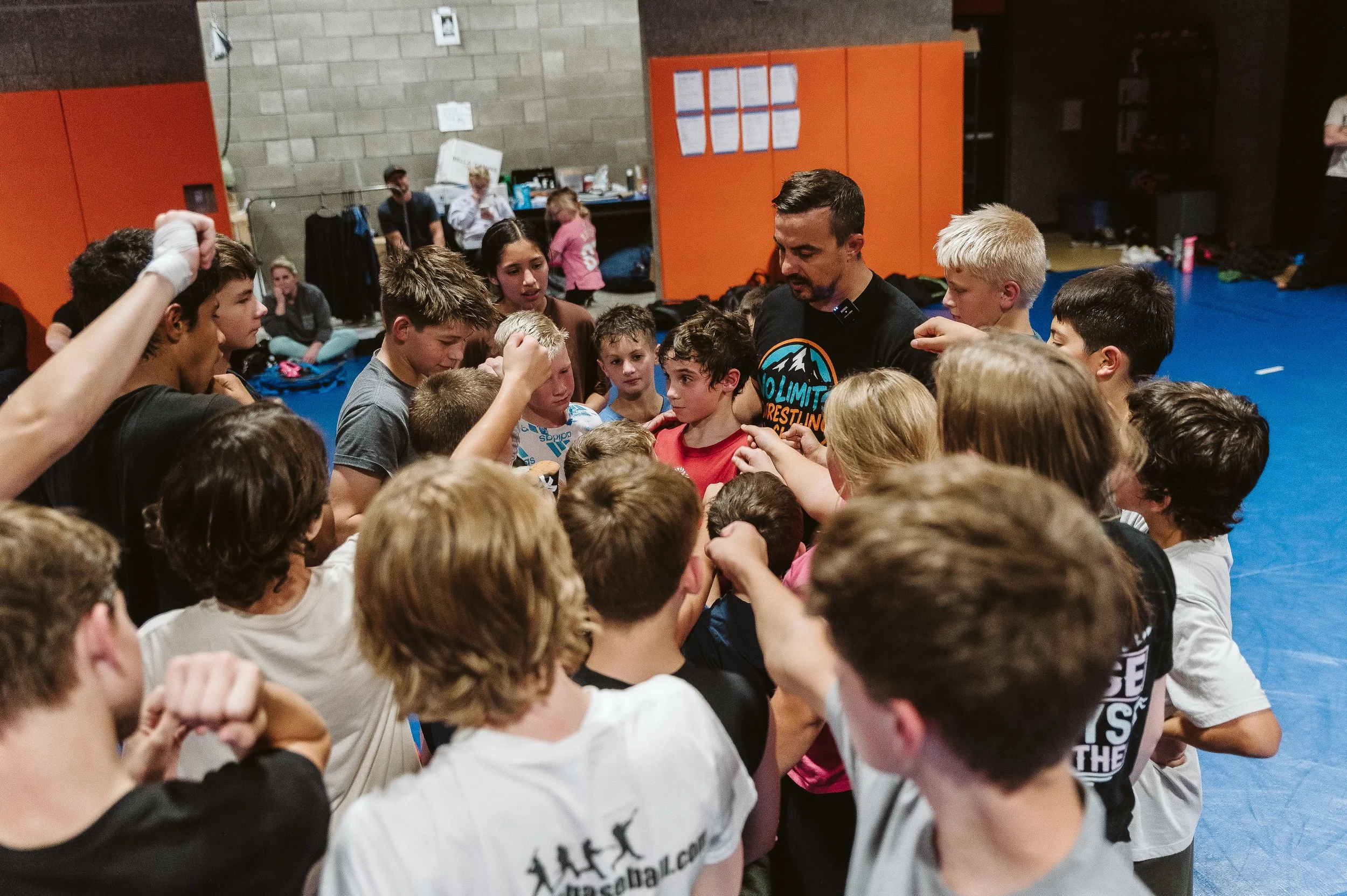
When athletes experience emotional conflict, receive guidance, and then re-engage productively, the system is functioning as intended. The presence of emotion followed by regulation, repair, and recommitment is a developmental success, not a warning sign.
Supporting Parents Through the Process
Parental discomfort during moments of athlete struggle is both normal and understandable. Youth sport places adults in the position of observing their children encounter frustration, failure, and emotional strain.
However, research on autonomy-supportive environments indicates that parental trust in structured coaching systems enhances athlete confidence and emotional resilience (Conroy & Coatsworth, 2007; Chu & Zhang, 2019). Growth occurs not by eliminating discomfort, but by ensuring athletes are supported as they learn to navigate it.
Choosing to remain engaged during difficult moments is an investment in long-term development.
Pressure is an unavoidable component of meaningful athletic pursuit. Emotional responses under pressure are neither pathological nor problematic when they occur within environments designed for guidance, accountability, and growth.
The wrestling room, when structured intentionally, offers one of the safest settings for young athletes to experience emotional challenge, learn regulation skills, and develop resilience. Difficulty does not equate to harm. Struggle does not indicate failure. Development is rarely linear or visually clean. For more on helping young wrestlers navigate setbacks, confidence swings, and uneven progress, read Success Isn’t Linear in Youth Wrestling.
What matters is not the absence of emotional moments, but the presence of systems that teach athletes how to respond to them.
Want guidance from a Limitless Performance Systems coach?
If you’re looking for the right next step for your athlete—mindset, training, or a full plan—reach out and we’ll point you in the right direction.
Include your athlete’s age, experience level, and goals, and we’ll reply with a recommendation.
References & Further Reading
Connaughton, D., Wadey, R., Hanton, S., & Jones, G. (2008). The development and maintenance of mental toughness: Perceptions of elite performers. Journal of Sports Sciences, 26(1), 83–95.
Chow, G. M., Murray, K. E., & Feltz, D. L. (2009). Individual, team, and coach predictors of athletes’ likelihood to aggress. Journal of Sport & Exercise Psychology, 31(5), 626–648.
Chu, T. L. A., & Zhang, T. (2019). Roles of coaches, peers, and parents in athletes’ basic psychological needs: A mixed-studies review. International Journal of Sports Science & Coaching, 14(4), 569–588.
Conroy, D. E., & Coatsworth, J. D. (2007). Assessing autonomy-supportive coaching strategies in youth sport. Journal of Sport & Exercise Psychology, 29(5), 645–670.
Fletcher, D., & Sarkar, M. (2012). A grounded theory of psychological resilience in Olympic champions. Psychology of Sport and Exercise, 13(5), 669–678.
Gross, J. J. (1998). The emerging field of emotion regulation: An integrative review. Review of General Psychology, 2(3), 271–299.
Gross, J. J. (2002). Emotion regulation: Affective, cognitive, and social consequences. Psychophysiology, 39(3), 281–291.
Jones, G., Hanton, S., & Connaughton, D. (2002). What is this thing called mental toughness? Journal of Applied Sport Psychology, 14(3), 205–218.
Lazarus, R. S., & Folkman, S. (1984). Stress, appraisal, and coping. Springer.
Lee, M. J., Whitehead, J., & Ntoumanis, N. (2007). Development of the attitudes to moral decision-making in youth sport questionnaire. Psychology of Sport and Exercise, 8(3), 369–392.
Li, Y., Zhang, X., & Wang, J. (2025). Competitive pressure, psychological resilience, and coping strategies in youth athletes. Frontiers in Psychology, 16, 1182456.
Mace, R. (1986). Stress inoculation training to control anxiety in sport. British Journal of Sports Medicine, 20(2), 65–70.
Ruiz, M. C., Haapanen, S., Tolvanen, A., & Robazza, C. (2019). Coach-created motivational climate and athletes’ emotions in training. International Journal of Sports Science & Coaching, 14(1), 1–14.
Sarkar, M., & Fletcher, D. (2014). Psychological resilience in sport performers: A review of stressors and protective factors. Journal of Sports Sciences, 32(15), 1419–1434.
Tamminen, K. A., Palmateer, T. M., Denton, M., Sabiston, C. M., Crocker, P. R. E., Eys, M. A., & Smith, B. (2021). Exploring self- and interpersonal emotion regulation in sport. Psychology of Sport and Exercise, 55, 101935.
Zhong, J., Li, C., & Zhang, L. (2025). Coach-created motivational climate and antisocial behavior in youth sport. Scientific Reports, 15, 98419.
