
The Burnout Myth in Youth Sports: What Actually Pushes Kids Away
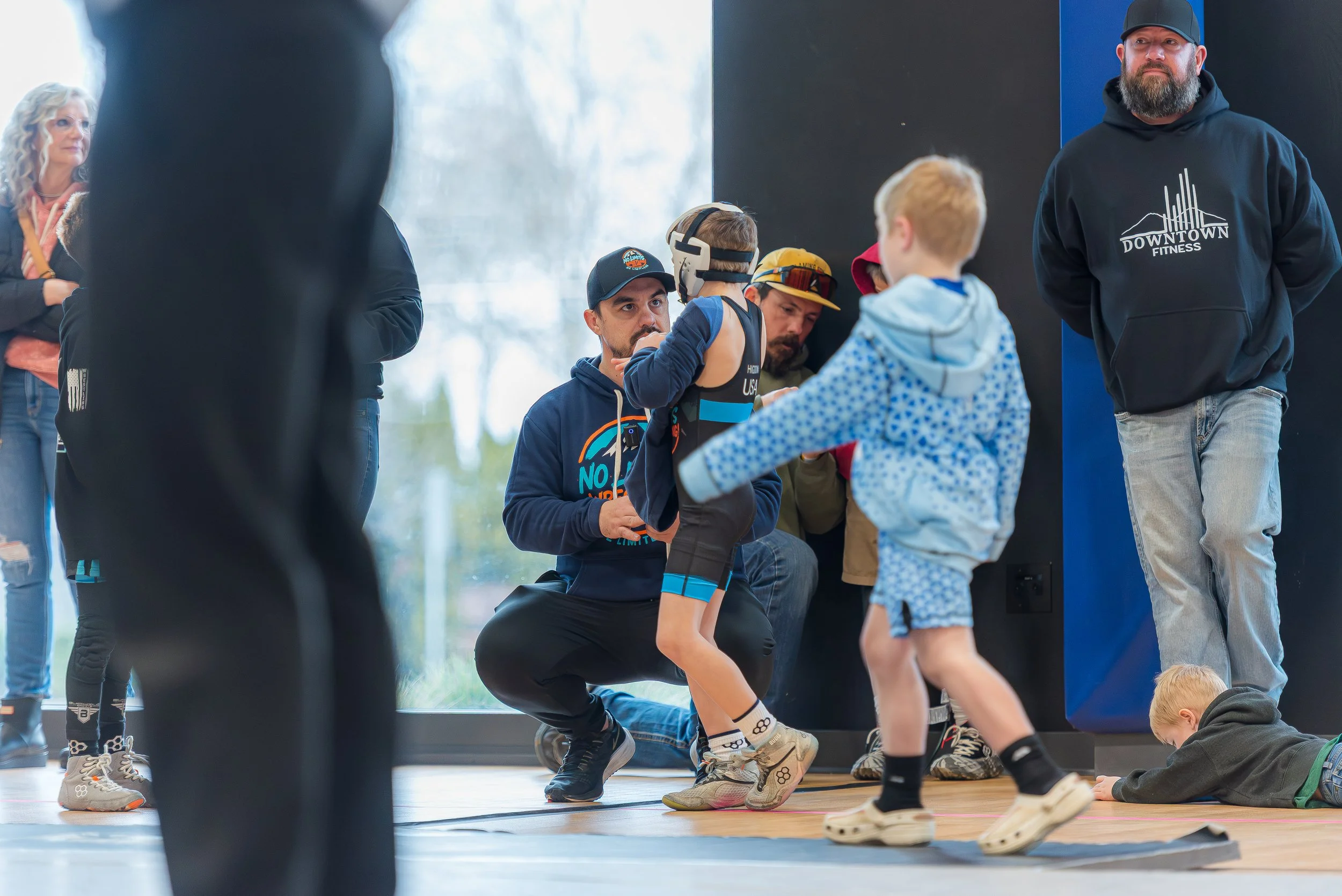
Youth sports are often framed as fragile, as if too much training or commitment will inevitably push children to burn out. Parents are regularly warned to protect their kids from intensity, structure, or hard seasons. While well intentioned, this narrative misunderstands what burnout actually is and, more importantly, where it comes from. Research in sport psychology consistently shows that children do not burn out because they train too much or struggle for too long. They burn out because of chronic psychological stress created by adult expectations, pressure, and the emotional environment surrounding their sport.
Burnout is not a product of effort. It is a product of how that effort is framed, evaluated, and emotionally managed by the adults around the athlete.
Burnout Is Not Caused by Training, It Is Caused by Chronic Psychological Stress
Athlete burnout has been clearly defined in the sport psychology literature as a syndrome involving emotional and physical exhaustion, a reduced sense of accomplishment, and eventual devaluation of the sport itself (Raedeke, 2001). Importantly, burnout is not simply fatigue. It is the result of prolonged stress without adequate psychological support, autonomy, or recovery. When a child feels trapped in sport, responsible for adult emotions, or constantly evaluated based on outcomes, the risk of burnout rises dramatically.
Integrated models of burnout show that training load alone is rarely the cause. Instead, burnout emerges when stressors accumulate over time without the athlete feeling a sense of control or choice (Gustafsson, Kenttä, & Hassmén, 2011). Young athletes are particularly vulnerable because they lack the emotional and cognitive tools to contextualize failure or manage expectations placed on them by others. When sport stops being something they do and becomes something they are judged by, stress replaces enjoyment.
Large-scale reviews of athlete burnout reinforce this finding. Psychological factors such as perceived pressure, lack of autonomy, and fear of disappointing others are far more predictive of burnout than hours trained or years spent in a sport (Gustafsson, DeFreese, & Madigan, 2017). In other words, training is not the problem. The environment surrounding training is.

Parental Pressure Is One of the Strongest Predictors of Youth Sport Burnout
Parents play a central role in shaping a child’s sport experience, often without realizing the impact of their behavior. For more on how to support your athlete without adding pressure, read Support Without Suffocation: How to Coach Your Child, the Right Way, in Youth Sports.
Position papers on parenting in youth sport describe how well-meaning parents often blur the line between support and control. When parents become emotionally invested in outcomes, children begin to associate their performance with approval, attention, or pride (Harwood & Knight, 2015). Over time, this creates an environment where mistakes feel costly and losses feel unsafe.
Studies examining parent-initiated pressure show that children often internalize these expectations, even when parents believe they are being encouraging (Knight & Harwood, 2009). Athletes report feeling responsible for managing their parents’ emotions, which significantly increases anxiety and decreases enjoyment. More recent research directly links parental pressure behaviors to higher burnout symptoms, negative emotional responses, and reduced motivation in young athletes (Nicaise et al., 2025).
Children do not quit sports because they dislike hard work. They quit because they dislike how sport feels when it becomes emotionally heavy. When the message becomes “this matters more to us than it does to you,” the foundation for burnout is already in place.
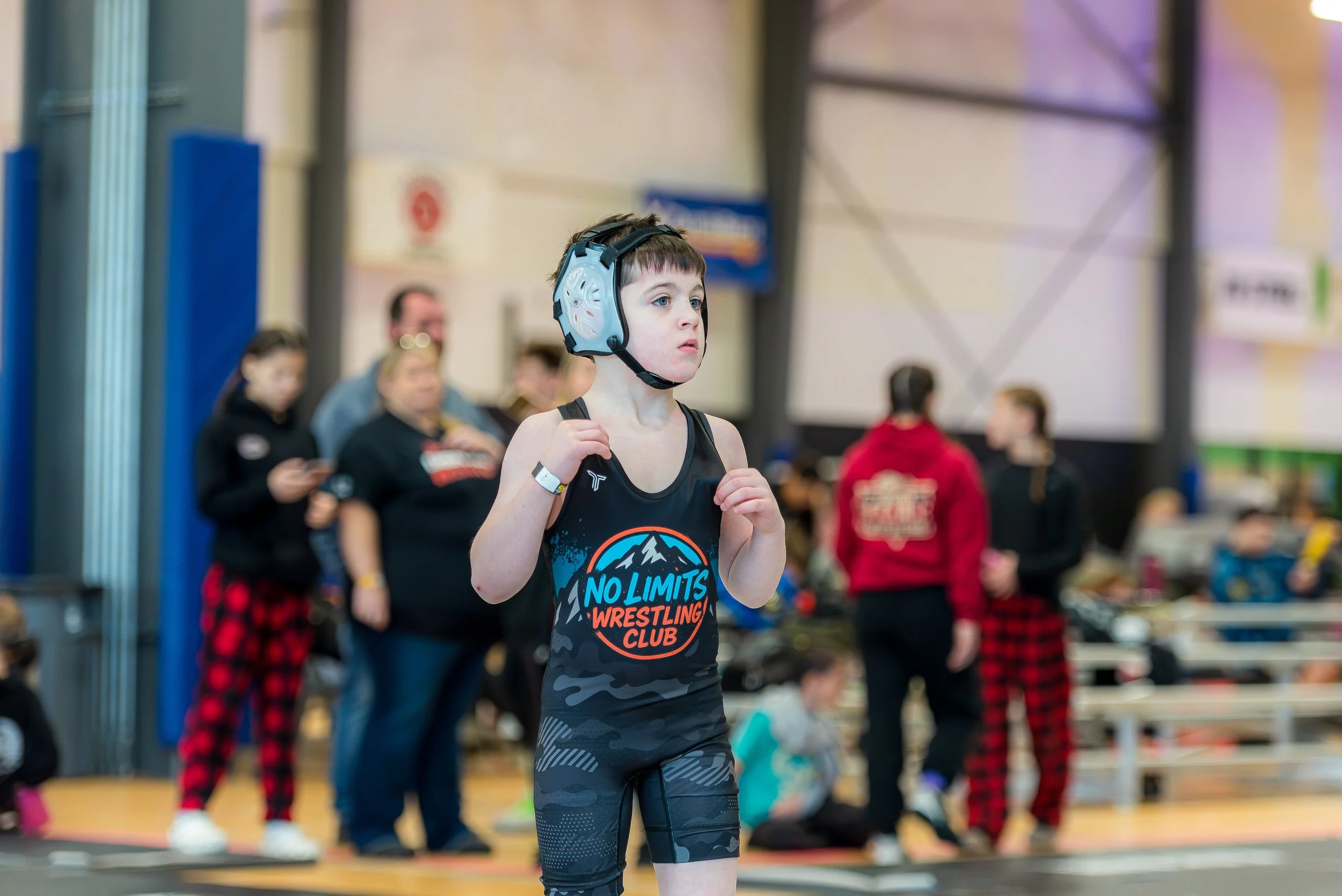
Most Children Are Supposed to Struggle for Years Before They Improve
One of the most damaging myths in youth sports is the belief that early success predicts long-term ability. In reality, skill development is uneven, slow, and highly individual. Many children will struggle for years before showing noticeable improvement, and this is not a sign of failure. It is the normal process of learning complex motor skills while growing physically, emotionally, and cognitively.
Systematic reviews on youth sport dropout identify unrealistic expectations and early performance pressure as major contributors to children leaving sports (Crane & Temple, 2015). When children are expected to win, dominate, or show rapid progress before they are developmentally ready, frustration replaces curiosity. Losses become personal, and effort feels pointless.
Longitudinal research on burnout trajectories shows that adolescents who experience early pressure and low perceived competence are more likely to disengage over time (Isoard-Gautheur et al., 2016). Conversely, athletes allowed to develop at their own pace, even through extended periods of struggle, demonstrate greater persistence and emotional resilience.
International consensus statements on youth athletic development emphasize that early performance is a poor indicator of future potential. Children mature at different rates, discover interests at different times, and respond uniquely to training stimuli (Bergeron et al., 2015). The expectation that children should be good early is not only unfounded, it is actively harmful.
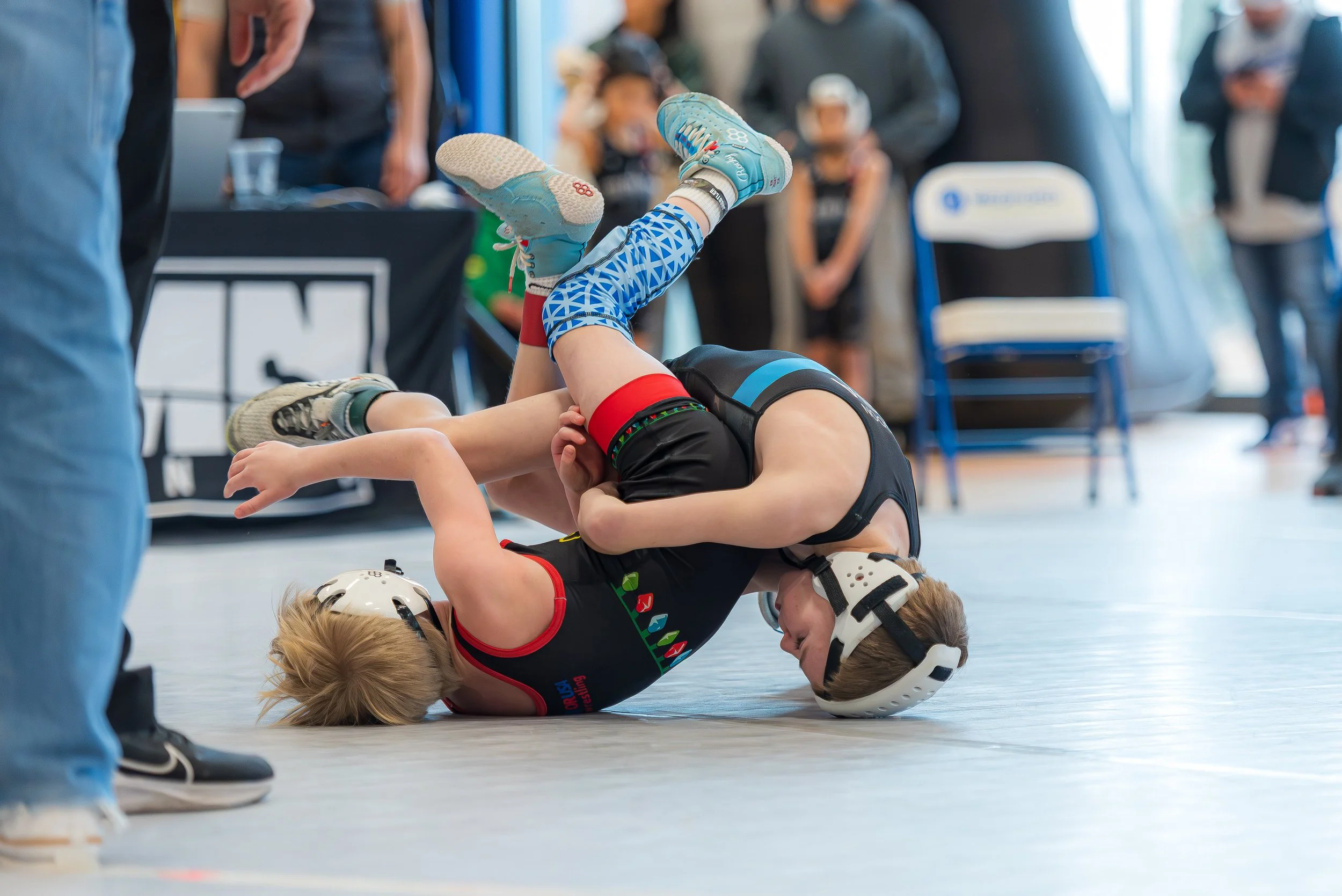
Intrinsic Motivation Protects Athletes, External Expectations Undermine It
One of the most established frameworks in sport psychology is Self-Determination Theory, which explains motivation through three basic psychological needs: autonomy, competence, and relatedness (Ryan & Deci, 2000). When these needs are met, athletes are more engaged, resilient, and emotionally stable. When they are undermined, motivation becomes fragile.
Youth athletes thrive when they feel ownership over their sport, even when the work is hard and progress is slow. Autonomy-supportive environments allow children to internalize goals, tolerate failure, and persist through setbacks. In contrast, environments dominated by external expectations, constant evaluation, or outcome-based approval weaken intrinsic motivation.
Research in sport settings shows that autonomy-supportive coaching and parenting are associated with greater enjoyment, effort, and long-term commitment (Amorose & Anderson-Butcher, 2007). Large-scale syntheses confirm that autonomy support acts as a protective factor against burnout across ages and competitive levels (Mossman et al., 2022).
When children feel that sport exists primarily to satisfy adult goals, motivation becomes conditional. The child may continue participating, but the emotional cost accumulates. Eventually, withdrawal becomes a form of relief.
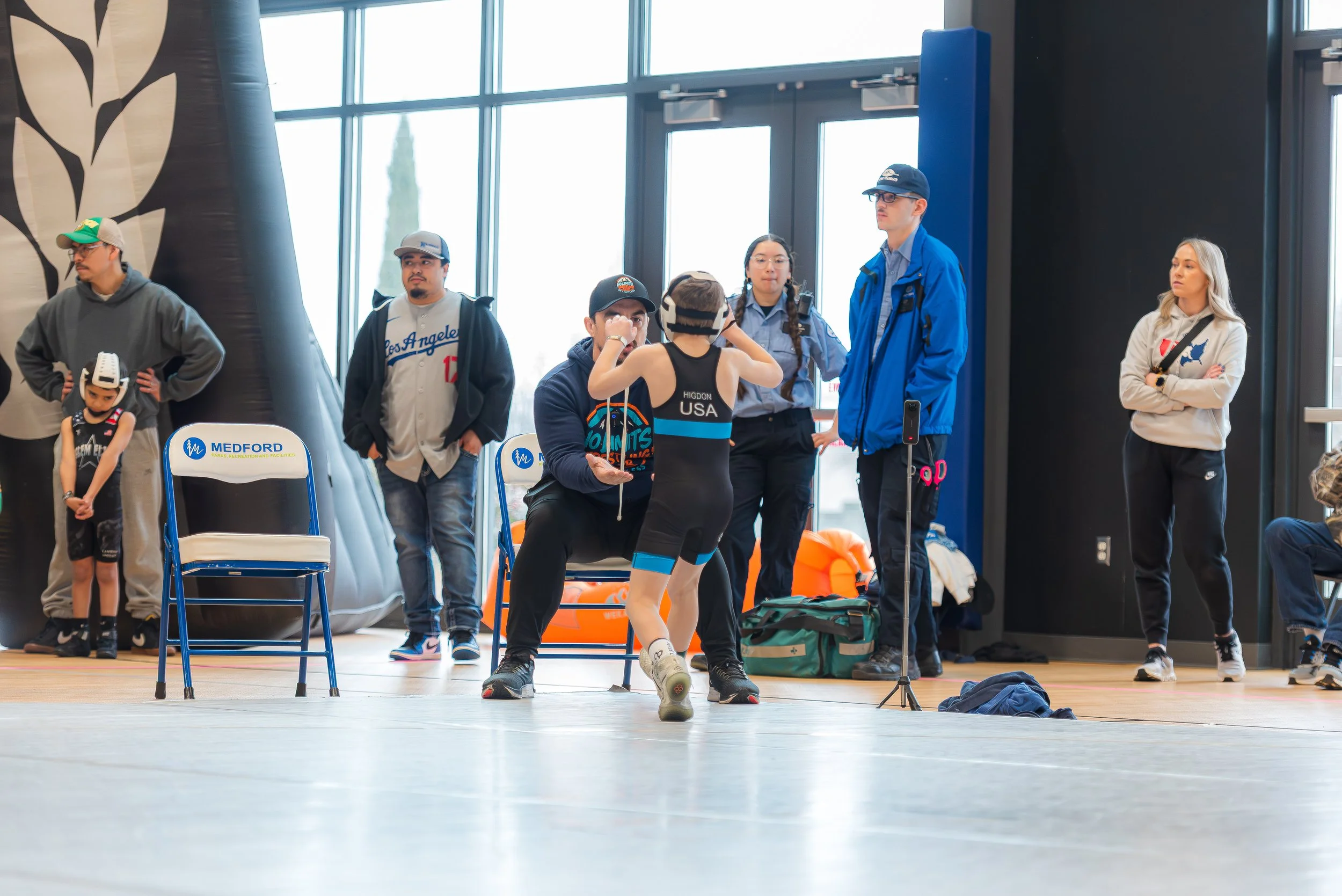
Starting a Sport Late Does Not Limit Potential, Adult Fear Does
Another common belief is that children who start a sport in their teens are already behind. This belief is not supported by evidence. While early exposure can be beneficial for some skills, there is no universal developmental deadline for athletic success. Many high-performing collegiate and elite athletes began their primary sport later than expected.
Consensus statements from international sport organizations explicitly reject rigid timelines for development, noting that late starters often bring greater intrinsic motivation and commitment (Bergeron et al., 2015). What limits late starters is not age, but the presence of adult-imposed expectations, comparisons, and fear-driven narratives about missed opportunity.
Early specialization research further supports this view. Studies show that early specialization increases the risk of burnout, injury, and dropout, while diversified sport participation supports long-term engagement (LaPrade et al., 2016). Position statements on overuse and burnout emphasize that psychological stress, not late entry, is the greater threat to athlete well-being (DiFiori et al., 2014).
When parents remove timelines and allow teenagers to own their athletic journey, progress often accelerates. Motivation becomes self-directed, effort becomes meaningful, and resilience develops naturally.
What Parents Can Do Instead
Parents who want to protect their children from burnout should focus less on limiting challenge and more on shaping the emotional environment of sport. This means removing outcome-based expectations, allowing children to experience loss without added pressure, and recognizing that enjoyment and mastery rarely develop at the same pace.
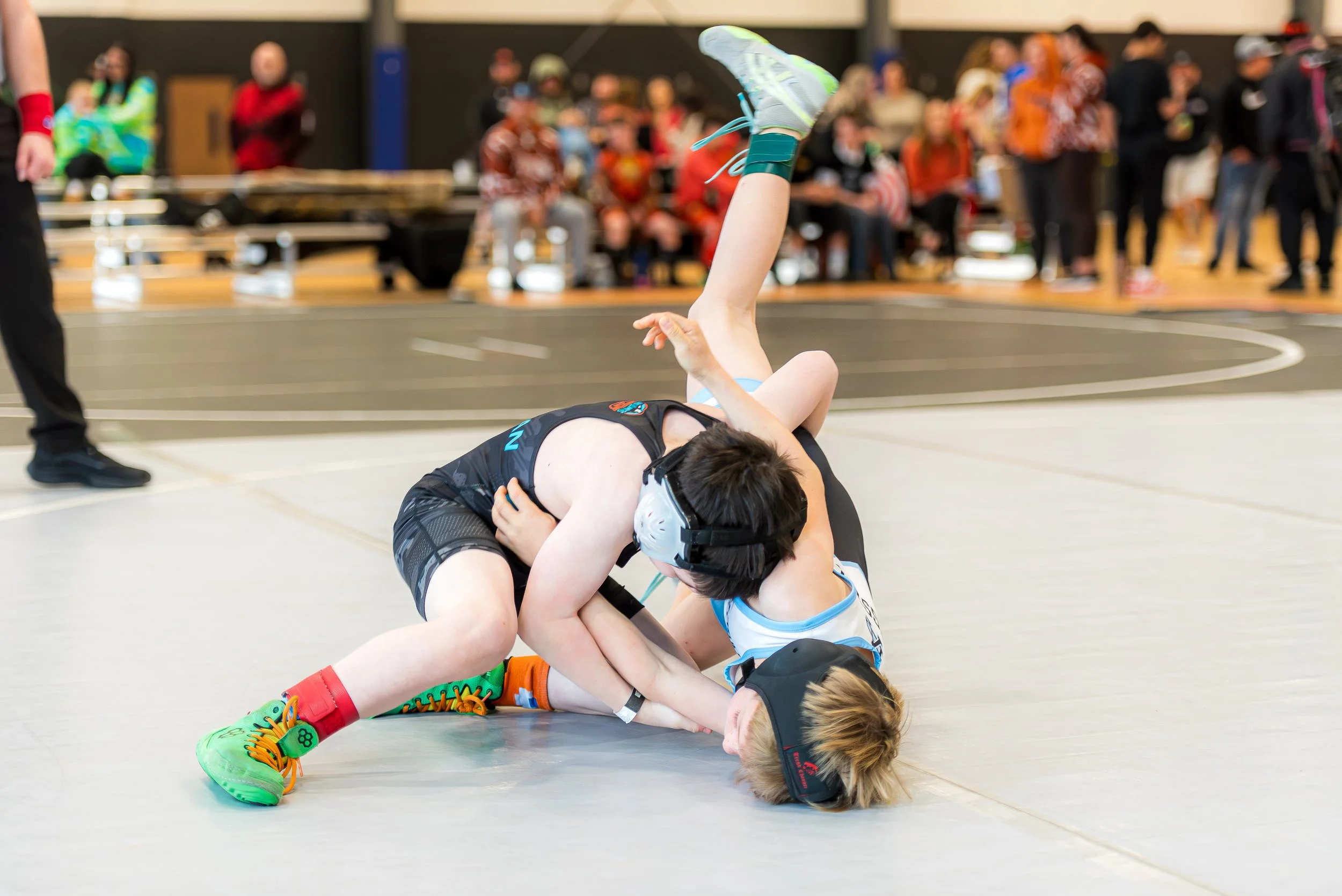
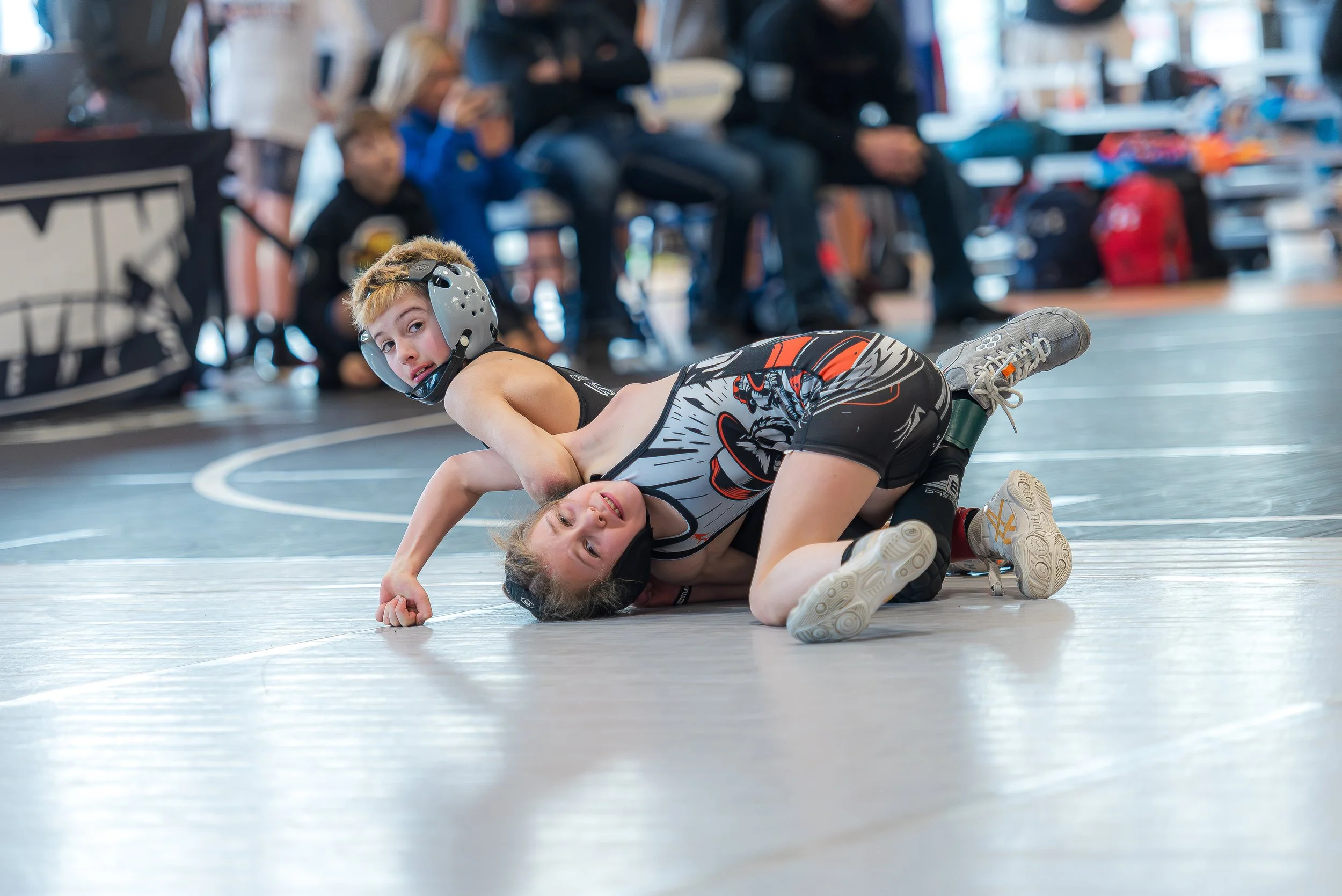
At No Limits Wrestling Club in Ridgefield, WA, we believe athletes can train hard, compete seriously, and still develop in a healthy environment when the adults around them prioritize patience, perspective, and long-term growth.
Children need adults who are steady through losing seasons, patient through slow development, and supportive without being controlling. They need permission to struggle without feeling like they are failing someone else.
Burnout is not inevitable, and it is not caused by effort. It is caused when children are asked to carry adult expectations before they are ready. When parents choose patience over pride and presence over pressure, sport becomes what it was meant to be: a place to grow, not a place to break.
References & Further Reading
Foundational Burnout Theory and Models
Raedeke, T. D. (2001). Development and preliminary validation of an athlete burnout measure. Journal of Sport & Exercise Psychology, 23(4), 281–306. https://doi.org/10.1123/jsep.23.4.281
Gustafsson, H., Kenttä, G., & Hassmén, P. (2011). Athlete burnout: An integrated model and future research directions. International Review of Sport and Exercise Psychology, 4(1), 3–24. https://doi.org/10.1080/1750984X.2010.541927
Gustafsson, H., DeFreese, J. D., & Madigan, D. J. (2017). Athlete burnout: Review and recommendations. Current Opinion in Psychology, 16, 109–113. https://doi.org/10.1016/j.copsyc.2017.05.002
Lemyre, P. N., Hall, H. K., & Roberts, G. C. (2008). A social cognitive approach to burnout in elite athletes. Scandinavian Journal of Medicine & Science in Sports, 18(2), 221–234. https://doi.org/10.1111/j.1600-0838.2007.00671.x
Parental Involvement, Pressure, and Youth Sport Environment
Harwood, C. G., & Knight, C. J. (2015). Parenting in youth sport: A position paper on parenting expertise. Psychology of Sport and Exercise, 16(3), 24–35. https://doi.org/10.1016/j.psychsport.2014.03.001
Knight, C. J., & Harwood, C. G. (2009). Parent-initiated motivational climate in youth sport: A developmental perspective. International Journal of Sport and Exercise Psychology, 7(3), 373–392. https://doi.org/10.1080/1612197X.2009.9671918
Nicaise, V., Cumming, S. P., Sarrazin, P., & Bois, J. E. (2025). Parental pressure behaviors and associations with athlete burnout, motivation, and emotional outcomes in youth sport. Psychology of Sport and Exercise, 68, 102468. https://doi.org/10.1016/j.psychsport.2024.102468
Dorsch, T. E., Smith, A. L., & McDonough, M. H. (2021). A history and critical review of parent involvement in organized youth sport. Sport, Exercise, and Performance Psychology, 10(3), 356–372. https://doi.org/10.1037/spy0000238
Motivation, Autonomy, and Psychological Needs
Ryan, R. M., & Deci, E. L. (2000). Intrinsic and extrinsic motivations: Classic definitions and new directions. American Psychologist, 55(1), 54–67. https://doi.org/10.1037/0003-066X.55.1.54
Amorose, A. J., & Anderson-Butcher, D. (2007). Autonomy-supportive coaching and self-determined motivation in high school and college athletes. Psychology of Sport and Exercise, 8(5), 654–670. https://doi.org/10.1016/j.psychsport.2006.11.008
Mossman, L. H., Slemp, G. R., Lewis, K. J., Colla, R. H., & O’Halloran, P. (2022). Autonomy support in sport and exercise settings: A systematic review and meta-analysis. International Review of Sport and Exercise Psychology. Advance online publication. https://doi.org/10.1080/1750984X.2022.2028828
Youth Sport Dropout, Development, and Long-Term Pathways
Crane, J., & Temple, V. (2015). A systematic review of dropout from organized sport among children and youth. European Physical Education Review, 21(1), 114–131. https://doi.org/10.1177/1356336X14555294
Isoard-Gautheur, S., Guillet-Descas, E., & Gustafsson, H. (2016). Athlete burnout and the risk of dropout among young elite athletes. The Sport Psychologist, 30(2), 123–135. https://doi.org/10.1123/tsp.2015-0045
Early Specialization, Overuse, and Consensus Statements
Bergeron, M. F., Mountjoy, M., Armstrong, N., Chia, M., Côté, J., Emery, C. A., … Engebretsen, L. (2015). International Olympic Committee consensus statement on youth athletic development. British Journal of Sports Medicine, 49(13), 843–851. https://doi.org/10.1136/bjsports-2015-094962
LaPrade, R. F., Agel, J., Baker, J., Brenner, J. S., Cordasco, F. A., Côté, J., … Engebretsen, L. (2016). AOSSM early sport specialization consensus statement. Orthopaedic Journal of Sports Medicine, 4(4), 2325967116644241. https://doi.org/10.1177/2325967116644241
DiFiori, J. P., Benjamin, H. J., Brenner, J., Gregory, A., Jayanthi, N., Landry, G. L., & Luke, A. (2014). Overuse injuries and burnout in youth sports: A position statement from the American Medical Society for Sports Medicine. British Journal of Sports Medicine, 48(4), 287–288. https://doi.org/10.1136/bjsports-2013-093299
