
The Training Most People Never Get: Why Mindset Training Matters in Wrestling
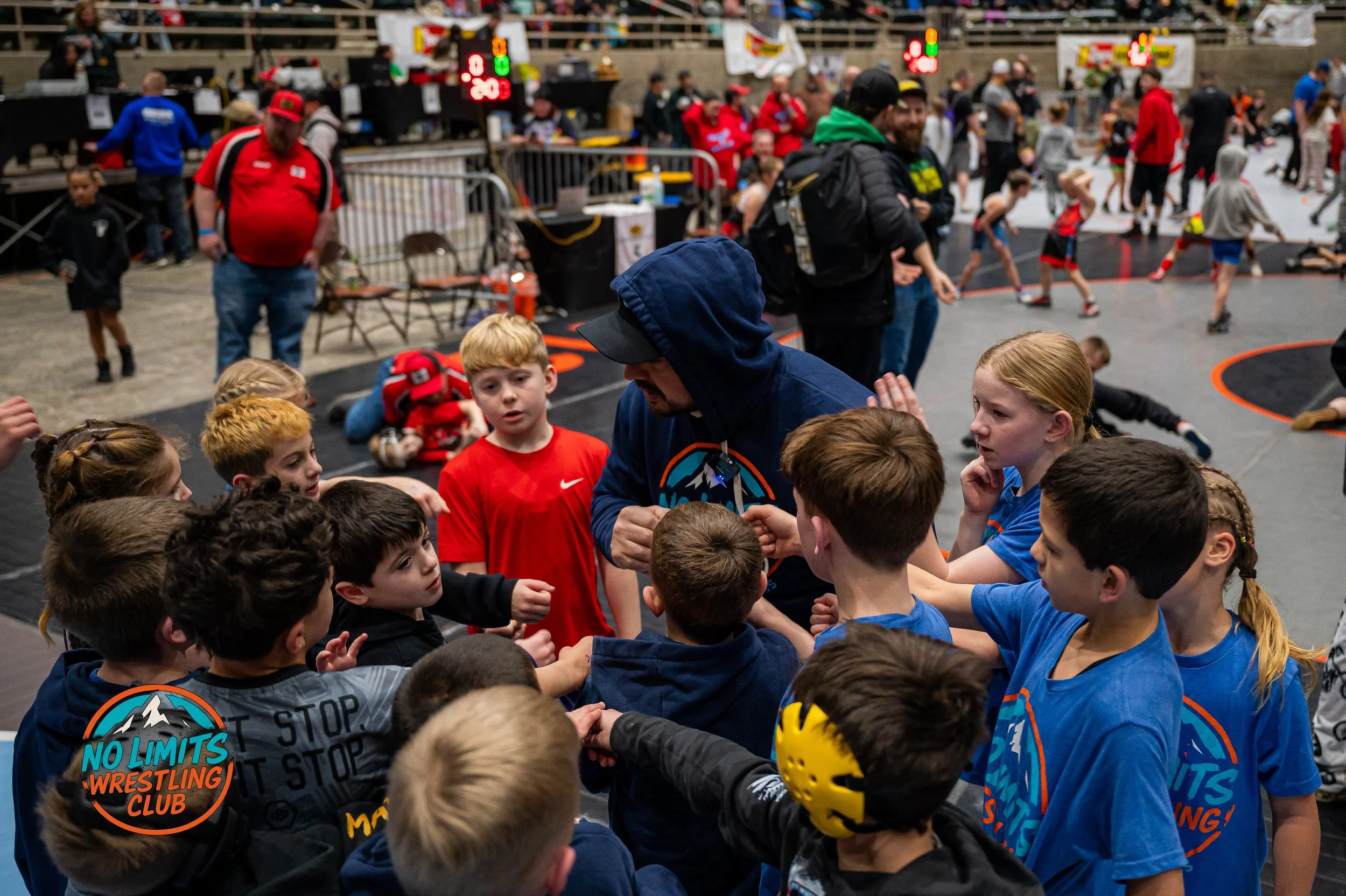
Elite mindset training for athletes focused on mental strength, resilience, and confidence
Most people are never intentionally trained for hard situations. Not in sports, not in school, and not in life. They experience pressure, disappointment, and stress, and they survive it the best they can. Over time, this becomes the norm. The problem is not that adversity exists; it is that very few people are ever taught how to handle it effectively.
After years of coaching wrestling, this gap has become impossible to ignore. I have never had a parent come up to me and say their child lacks conditioning. I have never had a parent say their child needs more moves. I have never had a parent say their child does not work hard enough. What parents talk about every weekend is fear, pressure, emotional breakdowns, wanting to quit, and not knowing how to help their child through disappointment. Those concerns are not wrestling problems. They are training gaps.
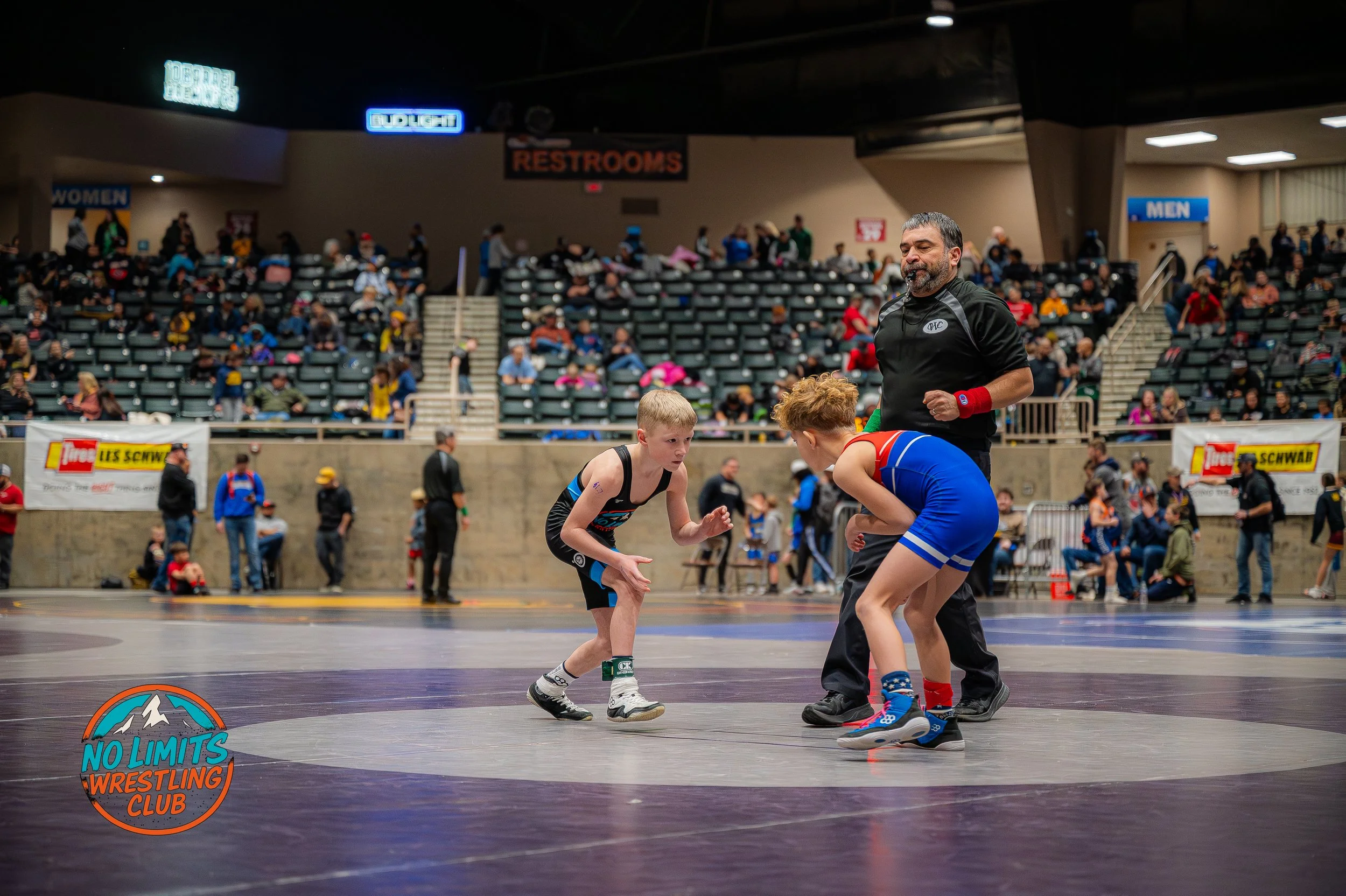
Mental strength and personal growth developed through structured mindset training
Research in sport psychology consistently shows that youth sport places heavy emphasis on physical and technical development, while psychological skill development is often inconsistent or absent altogether (Gould & Carson, 2008; Weinberg & Gould, 2019). Yet the challenges parents describe are overwhelmingly mental and emotional in nature. When those skills are not trained, athletes are left to react instinctively under pressure, often without the tools to regulate their thoughts or emotions.
Most people, athletes included, are exposed to stress repeatedly without ever learning how to process it. They experience adversity, push through discomfort, and hope that the next difficult moment will feel easier than the last. Over time, this approach becomes survival rather than growth. Psychological research has long demonstrated that resilience does not automatically develop through hardship alone; it develops when individuals are taught how to appraise stress, regulate emotion, and respond intentionally (Lazarus & Folkman, 1984; Fletcher & Sarkar, 2012). Without that training, repeated stress can lead to anxiety, burnout, or withdrawal from sport altogether (Nicholls et al., 2016).
Wrestling accelerates this reality. It places life on fast forward in ways few sports can replicate. There is no bench to retreat to and no teammate to absorb the moment. Responsibility is immediate and visible. Pressure often appears before the whistle ever blows, during warm-ups, weigh-ins, or simply waiting to be called to the mat. Research examining individual sports consistently shows that environments with constant evaluation amplify psychological demand, making emotional regulation and attentional control critical skills for performance and development (Jones et al., 2007; Gucciardi et al., 2009).
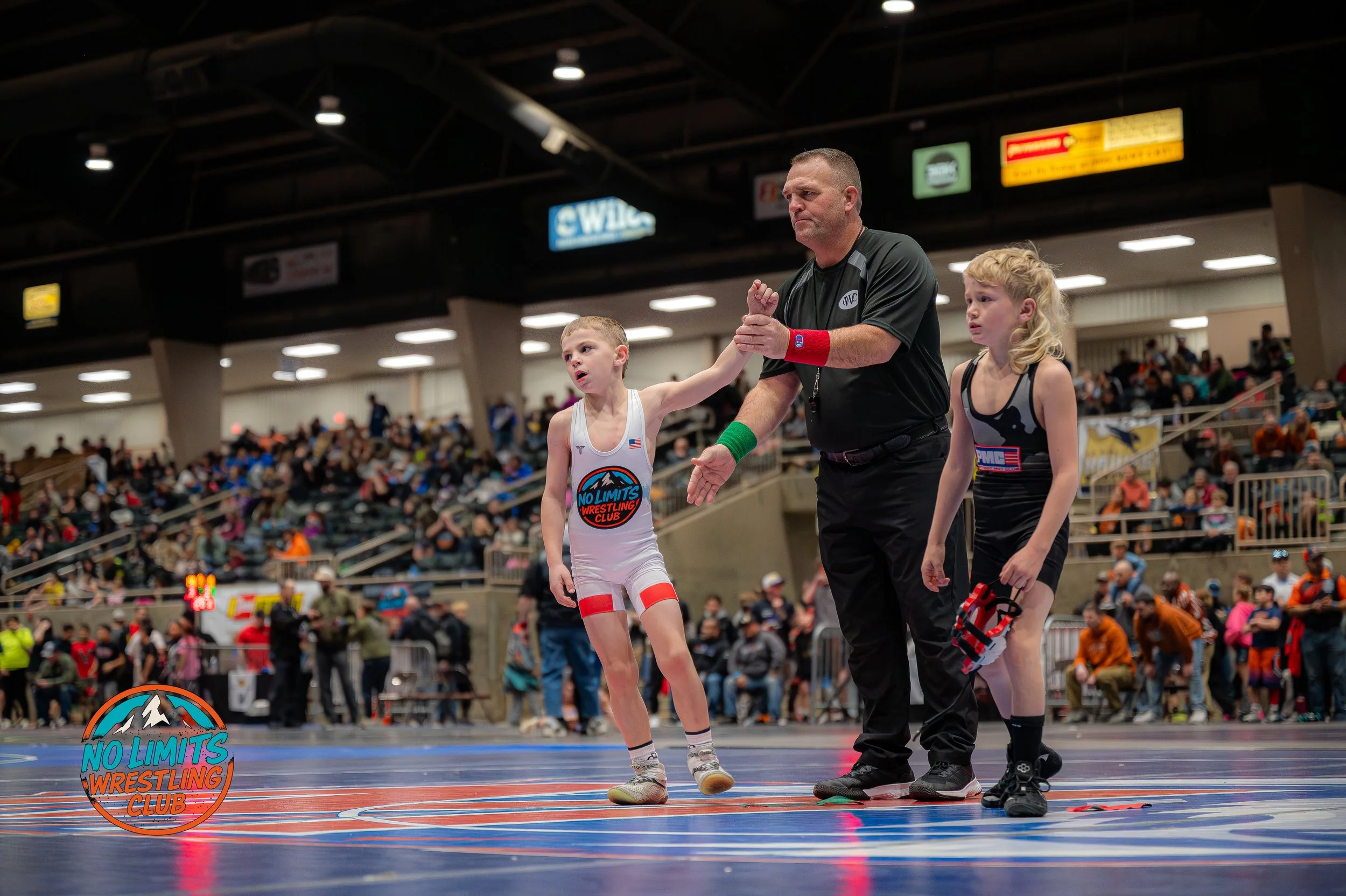
Athlete confidence and composure developed through elite mindset training
When young athletes struggle mentally, the response is often simplistic. They are told they need to be tougher, more confident, or more motivated. These explanations overlook what decades of research have already established: mental toughness is not a fixed personality trait, but a collection of psychological skills that can be intentionally developed (Crust, 2008; Gucciardi et al., 2015). Expecting an athlete to manage pressure without training those skills is no different than expecting them to defend a technique they have never been taught.
Emotional breakdowns are rarely failures of character. More often, they reflect gaps in preparation. Psychological skills training has been shown to improve emotional regulation, attentional focus, coping under stress, and persistence during adversity (Vealey, 1988; Birrer & Morgan, 2010). These are not abstract ideas or motivational slogans. They are trainable abilities, developed through structured practice just like physical skills.
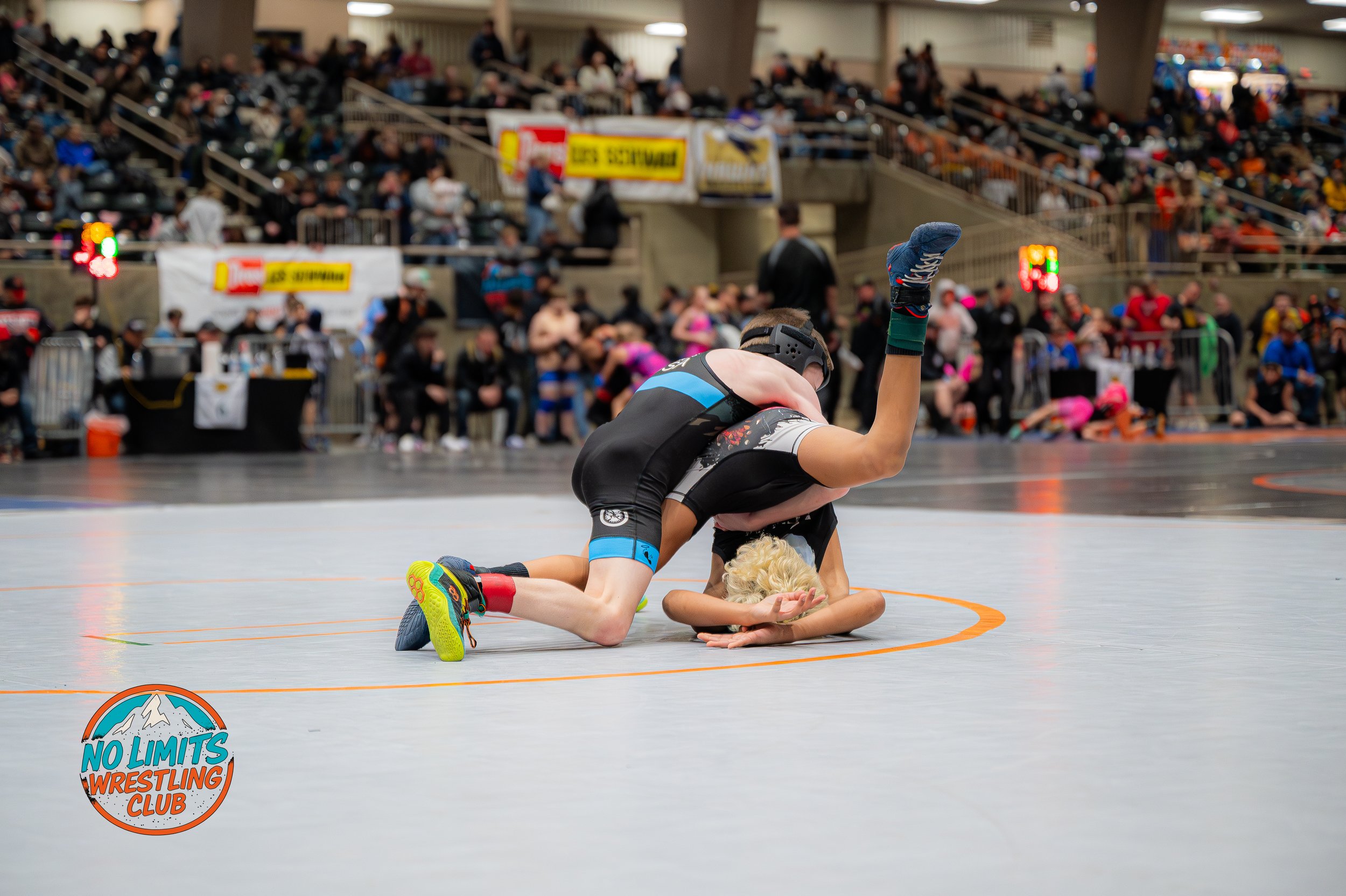
Resilience and adaptability built through elite mindset training for athletes
Mindset training, when done correctly, focuses on awareness, regulation, and response. Athletes learn to recognize fear instead of being overwhelmed by it. They learn how to stay present when pressure rises and how to respond to setbacks without disengaging. Research on youth sport development consistently highlights the importance of teaching these skills early, within supportive environments, rather than leaving athletes to acquire them later through burnout or repeated failure (Fraser-Thomas et al., 2005; Côté & Hancock, 2016).
Youth sport offers a rare opportunity. The stakes matter, but the support system is still intact. When psychological skills are taught intentionally, athletes gain tools that extend beyond competition. Holistic athlete development models emphasize that long-term success depends on psychological, emotional, and social growth alongside physical preparation (Wylleman et al., 2004; Henriksen et al., 2010). Wrestling becomes more than a sport; it becomes a structured environment for life skill development.
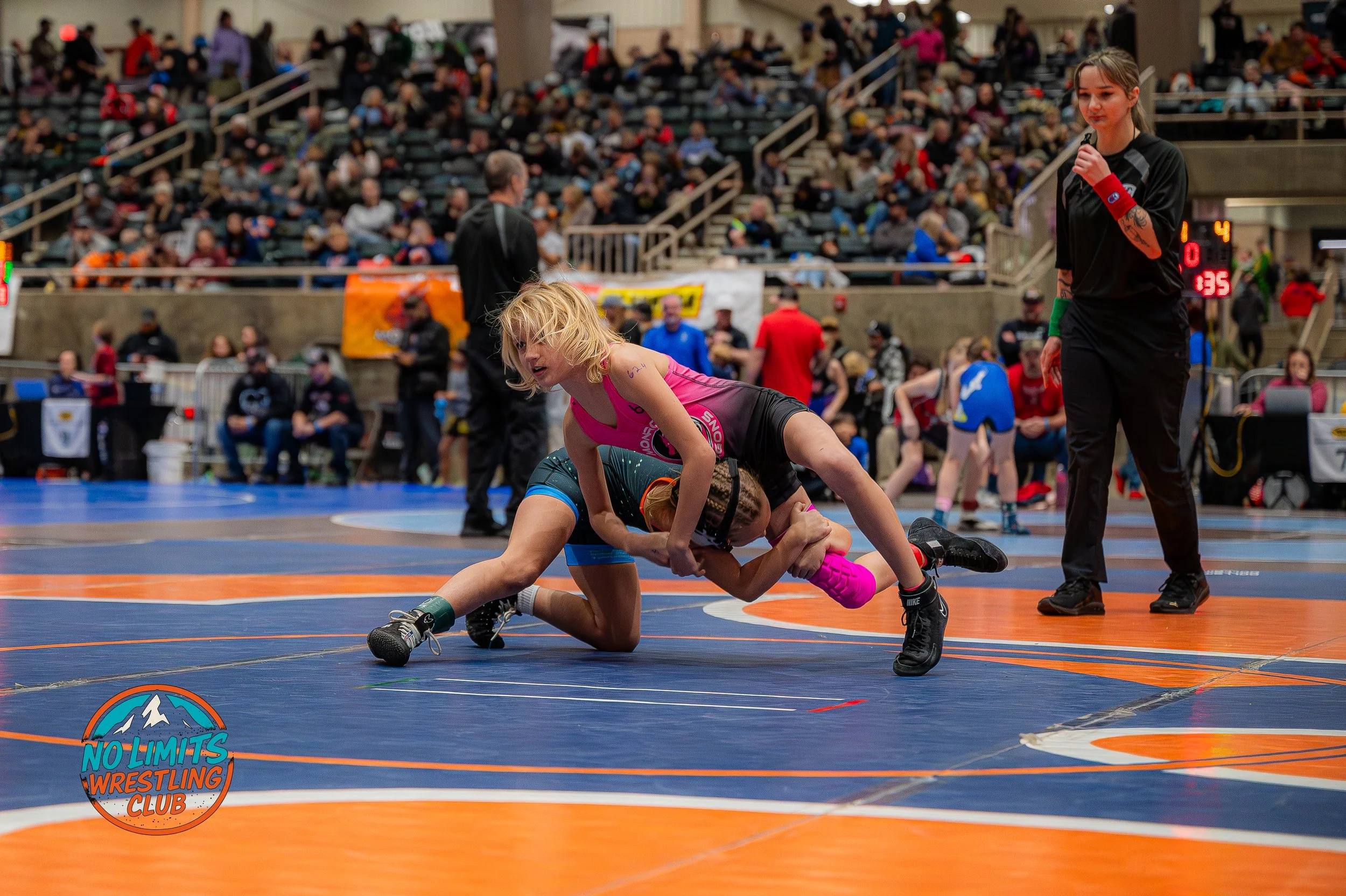
Focus and emotional control developed through elite mindset training
At No Limits Wrestling Club, our goal is not limited to producing technically sound or physically prepared athletes. We aim to develop complete athletes who are equipped to handle adversity inside and outside the sport. That means teaching skills that allow athletes to learn from hard moments rather than simply endure them.
This understanding is what led us to build our Mindset Training Course. It was created as an essential part of development, not as an add-on or a motivational supplement. Structured psychological interventions have been shown to improve coping capacity, emotional control, and long-term engagement in sport, particularly when integrated consistently into the training environment (Brown & Fletcher, 2017; Fletcher & Sarkar, 2016). Our course is designed to help athletes develop emotional awareness, learn how to navigate pressure, and give parents practical tools to support their children through challenges.
Hard moments are not the problem. Being unprepared for them is. Wrestling has a way of revealing what an athlete has been trained for, mentally as much as physically. When the mind is trained with the same intention as the body, the result is not only better performance, but stronger, more capable individuals who are equipped for challenges far beyond the mat.
Parent FAQ
How do I know if my child needs mindset training?
Most parents notice it in patterns, not one-off moments. If your child frequently melts down after a loss, freezes under pressure, struggles to recover from mistakes mid-match, or talks about quitting when things get hard, those are common signs that their coping tools are underdeveloped. This does not mean your child is weak; it usually means they have not been taught a consistent process for regulating stress and staying present (Lazarus & Folkman, 1984; Weinberg & Gould, 2019).
Isn’t this just “confidence”?
Confidence matters, but it is not the full picture. Many athletes feel confident in practice and still unravel when pressure rises. Mindset training focuses on skills that help athletes function well under stress, including emotional regulation, attentional control, and recovery after mistakes. Those skills can be trained and improved with structured practice (Birrer & Morgan, 2010; Brown & Fletcher, 2017).
What can I do in the moment when my child is upset after a match?
Start by lowering the temperature instead of trying to fix the result. Keep your voice calm, keep your words short, and aim for connection first. A simple approach is: acknowledge feelings, ask one gentle question, then pause. For example: “I can tell that one hurt. Do you want a minute, or do you want a hug?” This helps your child’s nervous system settle before any feedback is useful. Stress research shows that people process information and solve problems more effectively once arousal decreases (Lazarus & Folkman, 1984).
Should I talk about the match right away, or wait?
In most cases, wait. Immediate technical talk often lands as criticism, even when you mean well. If you want a simple rule, use a short cooldown window and let your child signal readiness. Later, keep it simple: one thing learned, one thing to work on, and one thing they did well. Consistent debrief habits support growth and reduce the emotional weight athletes attach to mistakes over time (Gould & Carson, 2008).
My child wants to quit after losses. Should I let them?
Take the emotion seriously, but do not treat the moment as a final decision. Many kids say they want to quit when they are overwhelmed, embarrassed, or exhausted. A better approach is to postpone the decision until they are regulated. You can say: “We can talk about that tomorrow. Right now your job is to recover.” This supports long-term engagement, which is an important protective factor against burnout and dropout (Fraser-Thomas et al., 2005).
How do I help without adding pressure?
Focus on effort, recovery, and consistency rather than outcomes. Praise behaviors your child controls: showing up, taking risks, bouncing back after mistakes, and sticking to the process. Research in youth sport development supports environments where adults reinforce learning and growth rather than only performance outcomes (Côté & Hancock, 2016).
What does mindset training look like in real life?
It usually includes simple, repeatable tools athletes practice weekly: pre-match routines, breathing and reset strategies, self-talk cues, attention control, and coping plans for mistakes or tough calls. These are components commonly included in psychological skills training programs used across competitive sport (Vealey, 1988; Birrer & Morgan, 2010).
How long does it take to see improvement?
Some athletes feel immediate relief from having a plan, but real change comes from repetition. Think of mindset like technique: you learn it, practice it, and improve over time. Consistency matters more than intensity, and small improvements stack quickly when the athlete and parents are on the same page (Weinberg & Gould, 2019).
Can parents accidentally make it worse?
Yes, usually with good intentions. Rapid coaching right after competition, emotional reactions in the stands, or comparing siblings/teammates can raise stress and shame. Most kids do better when parents communicate stability: “I’m here, I love you, and we’ll keep working.” That kind of support helps athletes recover and stay engaged even after setbacks (Gould & Carson, 2008; Fraser-Thomas et al., 2005).
Elite Mindset Training
A structured mindset training program for athletes and parents focused on mental performance, resilience, and long-term development.
View the Elite Mindset Training Program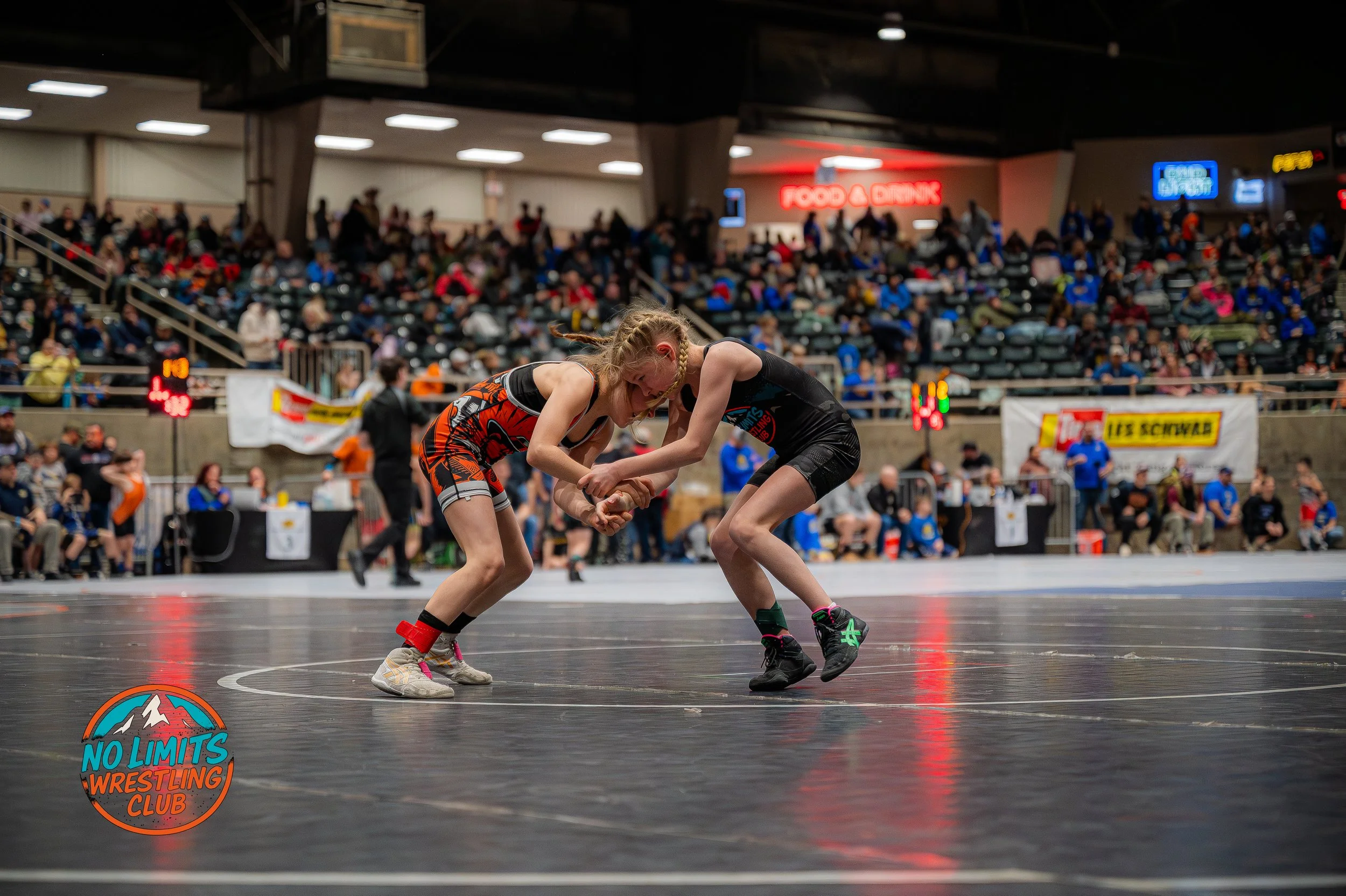
Complete athlete development through physical and mental training
References and Additional Reading
Bailey, R., Collins, D., Ford, P., MacNamara, Á., Toms, M., & Pearce, G. (2013). Participant development in sport: An academic review. Sports Coach UK.
Birrer, D., & Morgan, G. (2010). Psychological skills training as a way to enhance an athlete’s performance in high-intensity sports. Scandinavian Journal of Medicine & Science in Sports, 20(s2), 78–87.
Brown, D. J., & Fletcher, D. (2017). Effects of psychological and psychosocial interventions on sport performance. Sports Medicine, 47(1), 77–99.
Clough, P., Earle, K., & Sewell, D. (2002). Mental toughness: The concept and its measurement. Solutions in Sport Psychology, 32–45.
Côté, J., & Hancock, D. J. (2016). Evidence-based policies for youth sport programmes. International Journal of Sport Policy and Politics, 8(1), 51–65.
Crust, L. (2008). A review and conceptual re-examination of mental toughness. International Journal of Sport and Exercise Psychology, 6(3), 270–290.
Fletcher, D., & Sarkar, M. (2012). A grounded theory of psychological resilience in Olympic champions. Psychology of Sport and Exercise, 13(5), 669–678.
Fletcher, D., & Sarkar, M. (2016). Mental fortitude training: An evidence-based approach. Journal of Sport Psychology in Action, 7(3), 135–148.
Fraser-Thomas, J. L., Côté, J., & Deakin, J. (2005). Youth sport programs: An avenue to foster positive youth development. Physical Education & Sport Pedagogy, 10(1), 19–40.
Gould, D., & Carson, S. (2008). Life skills development through sport. Journal of Sport Psychology in Action, 1(1), 58–68.
Gucciardi, D. F., Gordon, S., & Dimmock, J. A. (2009). Development and preliminary validation of a mental toughness inventory. Journal of Sports Sciences, 27(12), 1293–1310.
Gucciardi, D. F., Hanton, S., Gordon, S., Mallett, C. J., & Temby, P. (2015). The concept of mental toughness. Journal of Sports Sciences, 33(1), 26–44.
Henriksen, K., Stambulova, N., & Roessler, K. K. (2010). Holistic approach to athletic talent development. Psychology of Sport and Exercise, 11(3), 212–222.
Jones, G., Hanton, S., & Connaughton, D. (2007). A framework of mental toughness in the world’s best performers. The Sport Psychologist, 21(2), 243–264.
Weinberg, R. S., & Gould, D. (2019). Foundations of sport and exercise psychology (7th ed.). Human Kinetics.
