When to Rest, When to Push
Why Smart Training Builds Longevity, Not Burnout
One of the most common mistakes in youth sports is not a lack of effort.
It is sustained effort without a structured plan for recovery.
After an intense stretch of competition, camps, and high-stakes tournaments, this pattern becomes clear. Athletes train hard. They show discipline, consistency, and commitment. Then, at the appropriate time, training volume must intentionally decrease.
This reduction is not a sign of weakness or lowered expectations. It is a necessary component of long-term athletic development. Training without recovery does not create better athletes—it increases the risk of burnout, injury, and declining performance.
Burnout Is Not Caused by Hard Work
A critical distinction in performance training is that burnout does not result from effort itself. Burnout, injury, and emotional exhaustion arise when effort is applied continuously without adequate recovery (Gustafsson et al., 2011).
In training science, stress is the stimulus that drives adaptation. Recovery is the process that allows the body and mind to adapt positively to that stimulus (Bompa & Haff, 2009). Without recovery, athletes do not become stronger or more resilient—they become depleted.
The same principles apply psychologically. Cognitive and emotional fatigue accumulate when young athletes are exposed to constant pressure without relief, impairing motivation, focus, and enjoyment of sport (Smith, 1986).
Why “Go Hard All the Time” Is Ineffective
Youth sports culture often promotes the belief that more is always better: more practices, more competitions, more tournaments, and more intensity. However, research consistently shows that high training volume without intentional load management leads to increased injury risk, emotional fatigue, reduced enjoyment, and stagnating performance (Jayanthi et al., 2015; Myer et al., 2016).
Continuous pushing does not make athletes tougher. It often produces athletes who are physically fatigued, emotionally reactive, and more vulnerable to stress. The goal of effective coaching is not to see how much stress a child can endure, but how well they can adapt to stress over time.
How Performance Training Should Be Structured
Effective performance programs include deliberate periods of increased intensity and deliberate periods of reduced load. Leading into major events, training may become more focused and demanding. Athletes are challenged physically and mentally, and expectations are clear.
Equally important are planned reductions in volume. During these phases, training emphasizes efficiency rather than overload. Coaches focus on refining existing skills, protecting confidence, and maintaining emotional stability. Practices are designed so athletes leave regulated, focused, and confident rather than depleted.
In some cases, practices are shortened or canceled altogether. Athletes are encouraged to rest, recover, and engage in age-appropriate activities outside of sport. This approach is not permissive or unstructured—it is a core component of performance management (Issurin, 2010).
Recovery Is a Skill That Must Be Taught
Most athletes do not naturally understand how or when to rest. Many associate rest with laziness or reduced commitment. Others believe that toughness is defined by constant output. These beliefs are common, but they are not supported by high-performance research.
At advanced levels of sport, recovery is treated as a trainable skill. Elite performers learn to recognize productive fatigue versus harmful fatigue, understand when stress will promote growth, and identify when continued pushing will undermine performance (Kellmann, 2010).
This awareness does not develop automatically. It requires education, modeling, and coaching.
Injury Prevention Extends Beyond Physical Conditioning
Injury prevention is not limited to strength, flexibility, or biomechanics. Injury risk increases significantly when athletes are chronically fatigued, emotionally stressed, or cognitively overloaded (Meeusen et al., 2013).
Effective programs account for physical load, emotional stress, and nervous system fatigue. When athletes are mentally overwhelmed or emotionally dysregulated, their ability to move efficiently and respond appropriately decreases, increasing injury risk even in technically sound athletes.
Lessons That Extend Beyond Sport
The ability to balance effort and recovery is not limited to athletics. Adults who never rest experience burnout. Professionals who never disengage lose effectiveness. Families that never slow down struggle with connection.
Sport provides a powerful environment to teach this skill early. Athletes who learn when to push and when to rest develop self-awareness, discipline, and sustainability, traits that extend far beyond competition.
The Core Takeaway
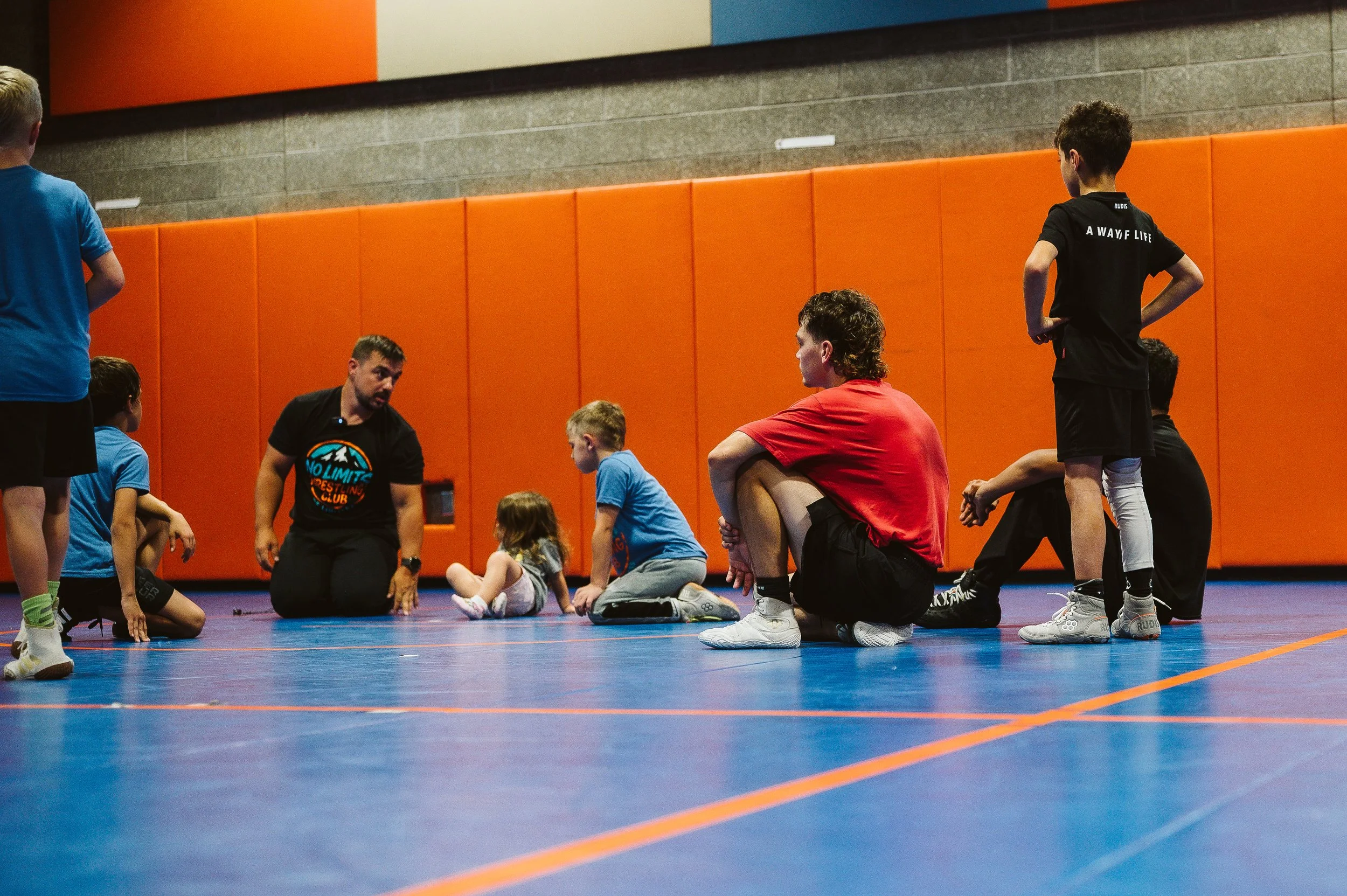
Motivation makes pushing easy. Judgment makes performance sustainable.
The essential skill is knowing when increased effort will promote growth and when it will cause harm. Hard training builds capacity. Strategic recovery protects that capacity. Both are required for long-term success.
How We Coach This Intentionally
At Limitless Performance Systems, training decisions are not based on guesswork or emotion. Load management, recovery, and athlete longevity are coached deliberately through structured strength and conditioning, personal training, one-on-one performance coaching, and mindset training that reinforces self-awareness and discipline.
Our objective is to develop strong, confident individuals who can sustain effort over time rather than peak early and burn out. When performance declines despite strong work ethic, the issue is often not effort. It is recovery.
Final Thought
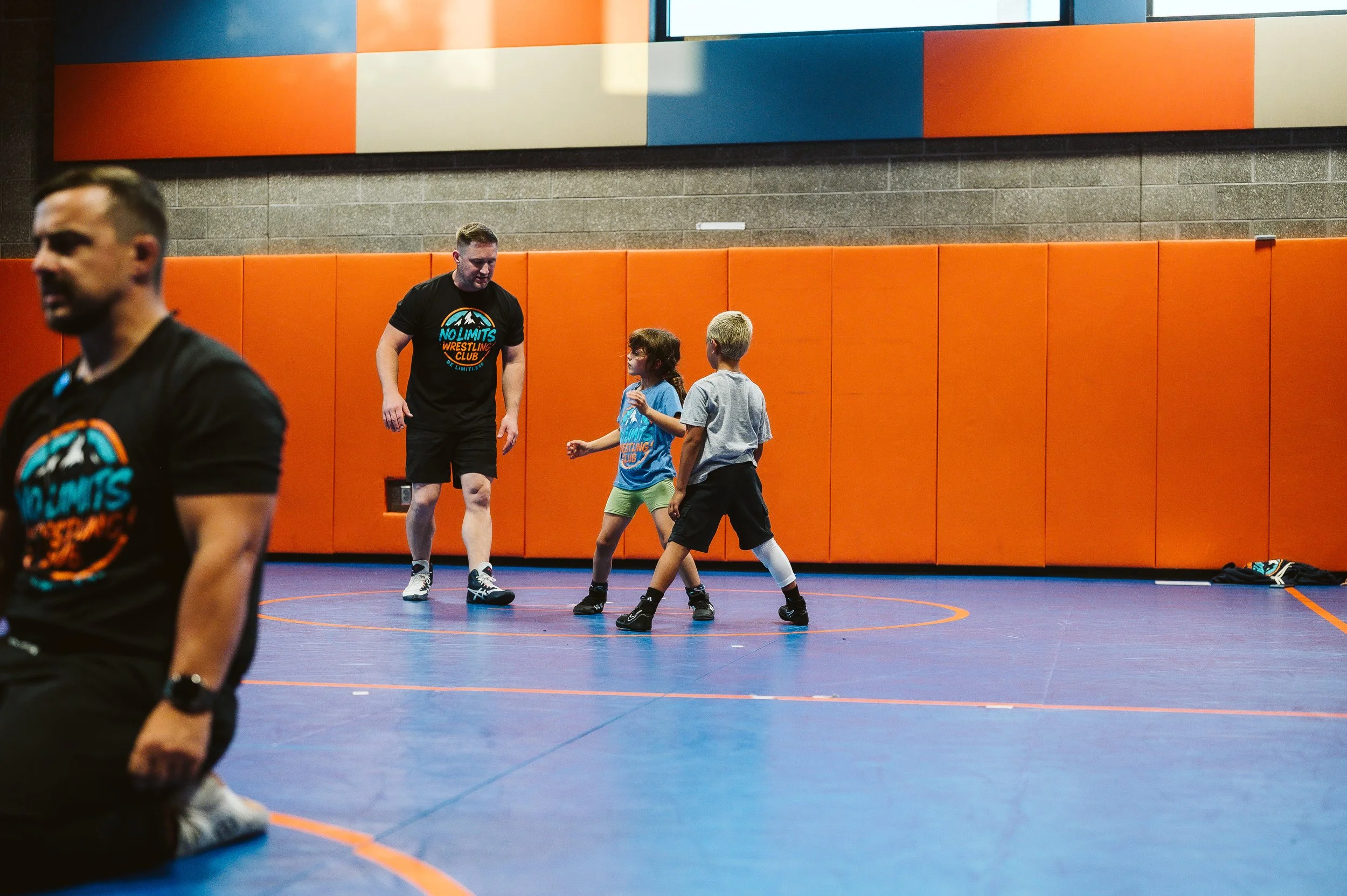
Rest is not the opposite of training.
It is an essential part of it.
Athletes who understand this principle do not simply perform better in the short term—they last longer.
References & Further Reading
Sports Psychology, Training Load, and Recovery
Bompa, T. O., & Haff, G. G. (2009). Periodization: Theory and Methodology of Training.
Gustafsson, H., Kenttä, G., & Hassmén, P. (2011). Athlete burnout: An integrated model. Psychology of Sport and Exercise.
Smith, R. E. (1986). Toward a cognitive-affective model of athletic burnout. Journal of Sport Psychology.
Kellmann, M. (2010). Preventing overtraining in athletes in high-intensity sports. Scandinavian Journal of Medicine & Science in Sports.
Meeusen, R., et al. (2013). Prevention, diagnosis, and treatment of overtraining syndrome. European Journal of Sport Science.
Youth Athlete Development & Injury Prevention
6. Jayanthi, N., et al. (2015). Sports specialization and injury risk in youth athletes. Sports Health.
7. Myer, G. D., et al. (2016). Youth sports specialization and long-term athletic development. Sports Health.
8. DiFiori, J. P., et al. (2014). Overuse injuries and burnout in youth sports. British Journal of Sports Medicine.
9. Malina, R. M. (2010). Early sport specialization: Roots, effectiveness, risks. Current Sports Medicine Reports.
Mental Load & Motivation
10. Deci, E. L., & Ryan, R. M. (2000). Intrinsic and extrinsic motivation. American Psychologist.
11. Ryan, R. M., & Deci, E. L. (2017). Self-Determination Theory.
12. Gould, D., & Carson, S. (2008). Life skills development through sport. International Review of Sport and Exercise Psychology.
Performance & Long-Term Development
13. Issurin, V. B. (2010). New horizons for the methodology and physiology of training periodization. Sports Medicine.
14. Ericsson, K. A. (2007). Deliberate practice and expert performance. Cambridge Handbook of Expertise.
15. Côté, J., et al. (2009). The development of sport expertise. International Journal of Sport and Exercise Psychology.
What a structured recovery plan actually includes
Recovery is not accidental. Our coaches help athletes and families put structure around:
- Weekly training and rest-day scheduling (in-season and off-season)
- Competition-week load adjustments
- Age-appropriate strength and conditioning programming
- Nutrition habits that support energy, growth, and recovery
- Simple tracking for sleep, soreness, and overall readiness