
Support Without Suffocation: How to Coach Your Child, the Right Way, in Youth Sports
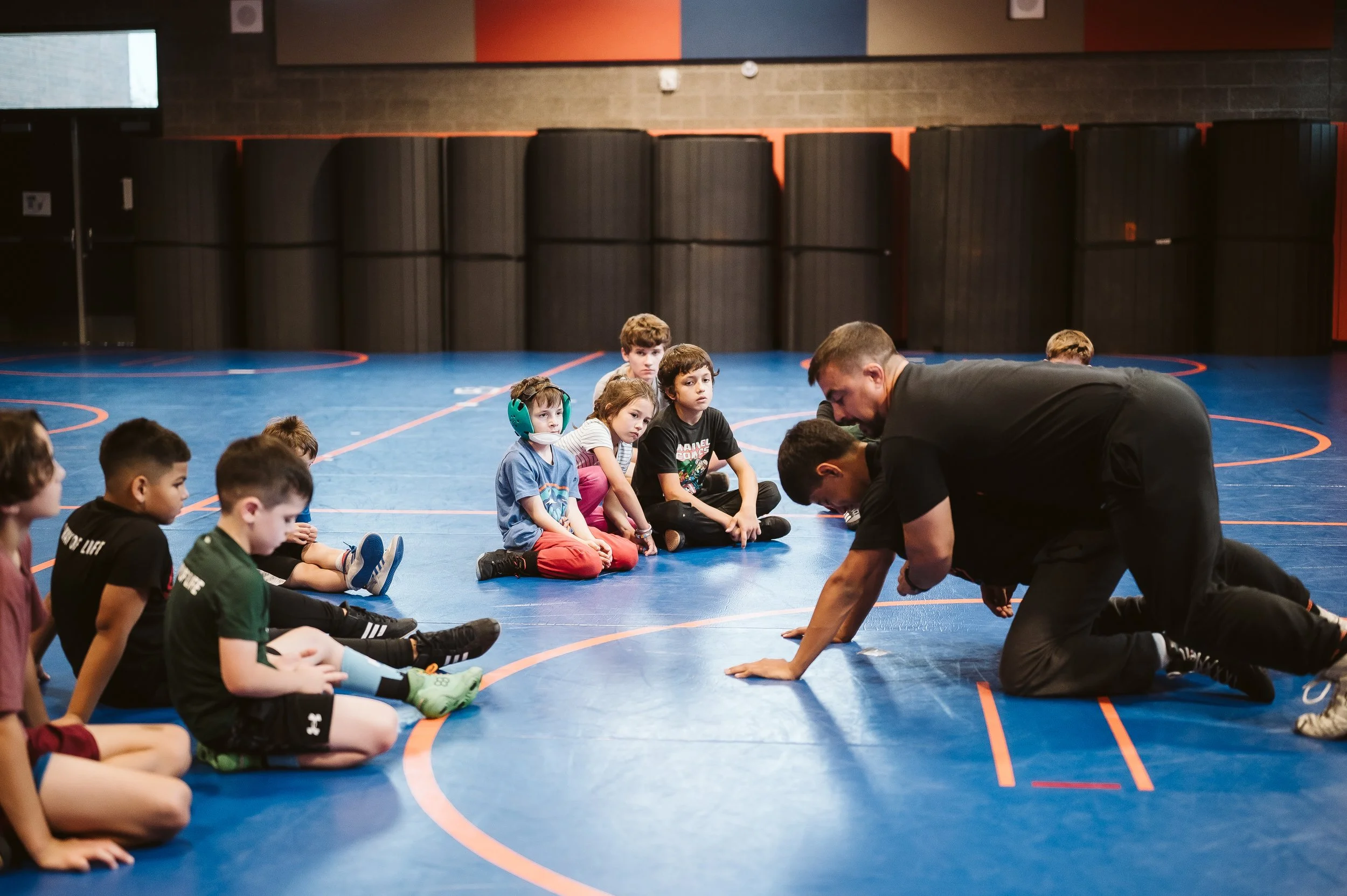
Why Parental Behavior Matters More Than Most Realize
Youth sports are often described as environments that build discipline, confidence, and resilience. While those outcomes are possible, they are not automatic. The emotional climate surrounding competition plays a central role in determining whether sport becomes a source of growth or a source of anxiety. Parents are a major influence in shaping that climate. Although most parents enter youth sports with positive intentions, research consistently shows that certain forms of involvement can unintentionally create pressure that interferes with both performance and enjoyment.
Parental influence extends beyond logistics and verbal encouragement. Children are highly sensitive to emotional cues from caregivers in evaluative environments such as competition. Facial expressions, tone of voice, posture, and post-competition interactions all communicate expectations, approval, or disappointment, often more strongly than direct instruction (Hellstedt, 1987). Athletes do not need explicit criticism to feel pressure; perceived expectations alone are enough to shape behavior and emotional response.
Why Individual Sports Amplify Pressure
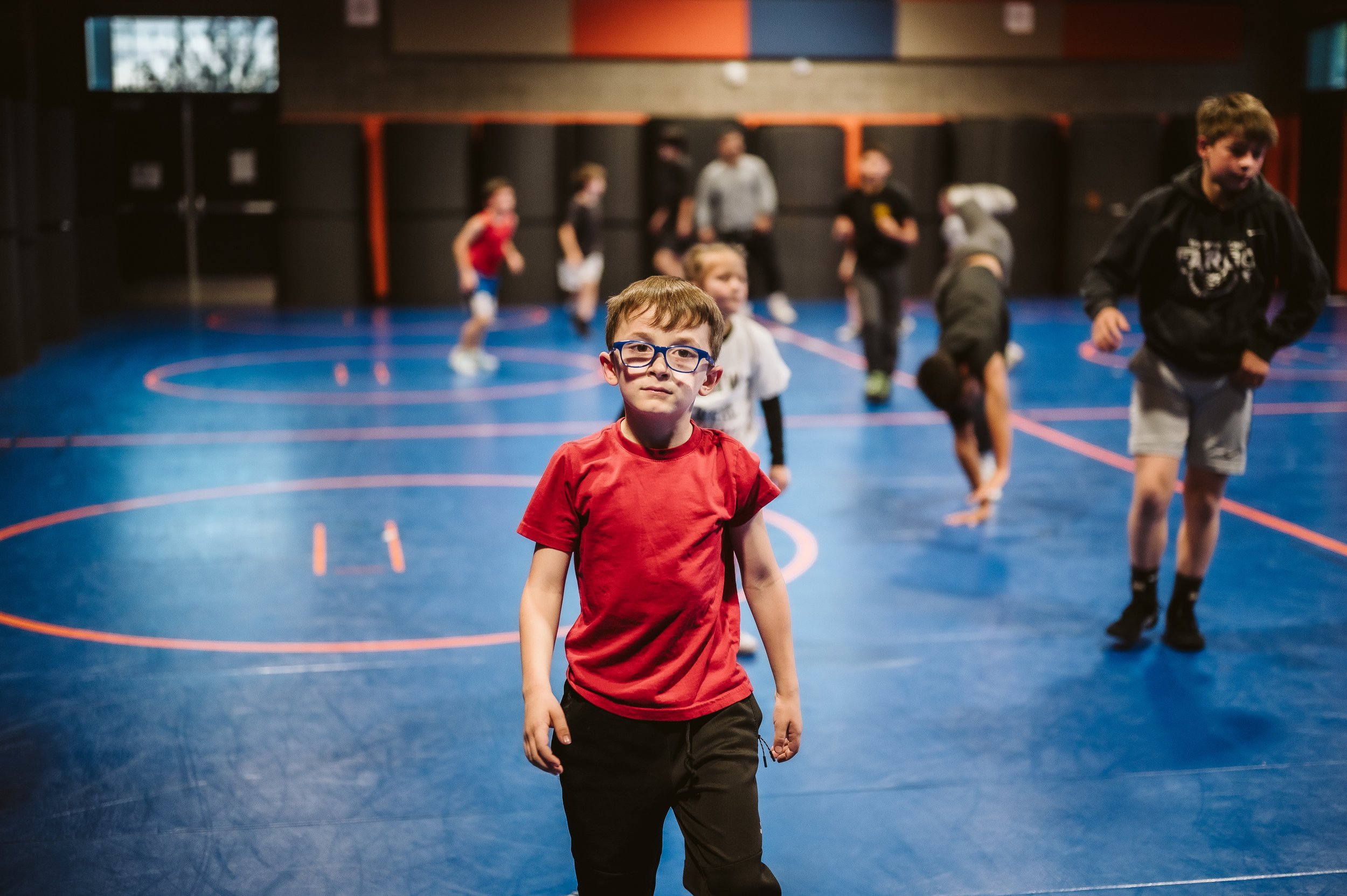
In individual sports such as wrestling, gymnastics, tennis, and track, the emotional stakes are higher. Athletes compete alone and assume full responsibility for outcomes. There are no teammates to diffuse attention or responsibility. Research shows that athletes in individual sports experience higher levels of performance anxiety and perceived evaluation, particularly when parental involvement is intense or emotionally reactive (Scanlan & Lewthwaite, 1986; Passer, 1983). In these settings, parental behavior can either provide stability or magnify stress.
Common Ways Parents Unintentionally Become the Pressure
Youth sport research identifies several recurring parental behavior patterns that contribute to athlete stress. One is emotional reactivity. Parents whose visible emotions rise and fall with each score often communicate urgency or disappointment without realizing it. Harwood and Knight (2009) found that many parents experience significant stress during competition and struggle to regulate it, even when they intend to remain supportive. Athletes exposed to this emotional volatility often compete cautiously, prioritizing mistake avoidance over confident execution.
Another pattern involves outcome-focused preparation. Parents who emphasize brackets, rankings, or opponent histories often believe they are helping their child prepare. In practice, this increases cognitive load and heightens fear of failure, particularly in younger athletes who lack the emotional tools to contextualize such information (Sagar & Lavallee, 2010). When athletes enter competition preoccupied with outcomes, attentional focus shifts away from process cues that support performance.
A third pattern is over-coaching outside of practice. While some parents possess technical knowledge, research consistently shows that athletes benefit most when coaching roles are clearly defined. Mageau and Vallerand (2003) emphasize that autonomy-supportive environments foster motivation and confidence, while controlling behaviors reduce enjoyment and perceived competence. When parents correct every mistake or immediately analyze performance after competition, the sport experience becomes evaluative rather than developmental.
Developmental Expectations in Youth Sports
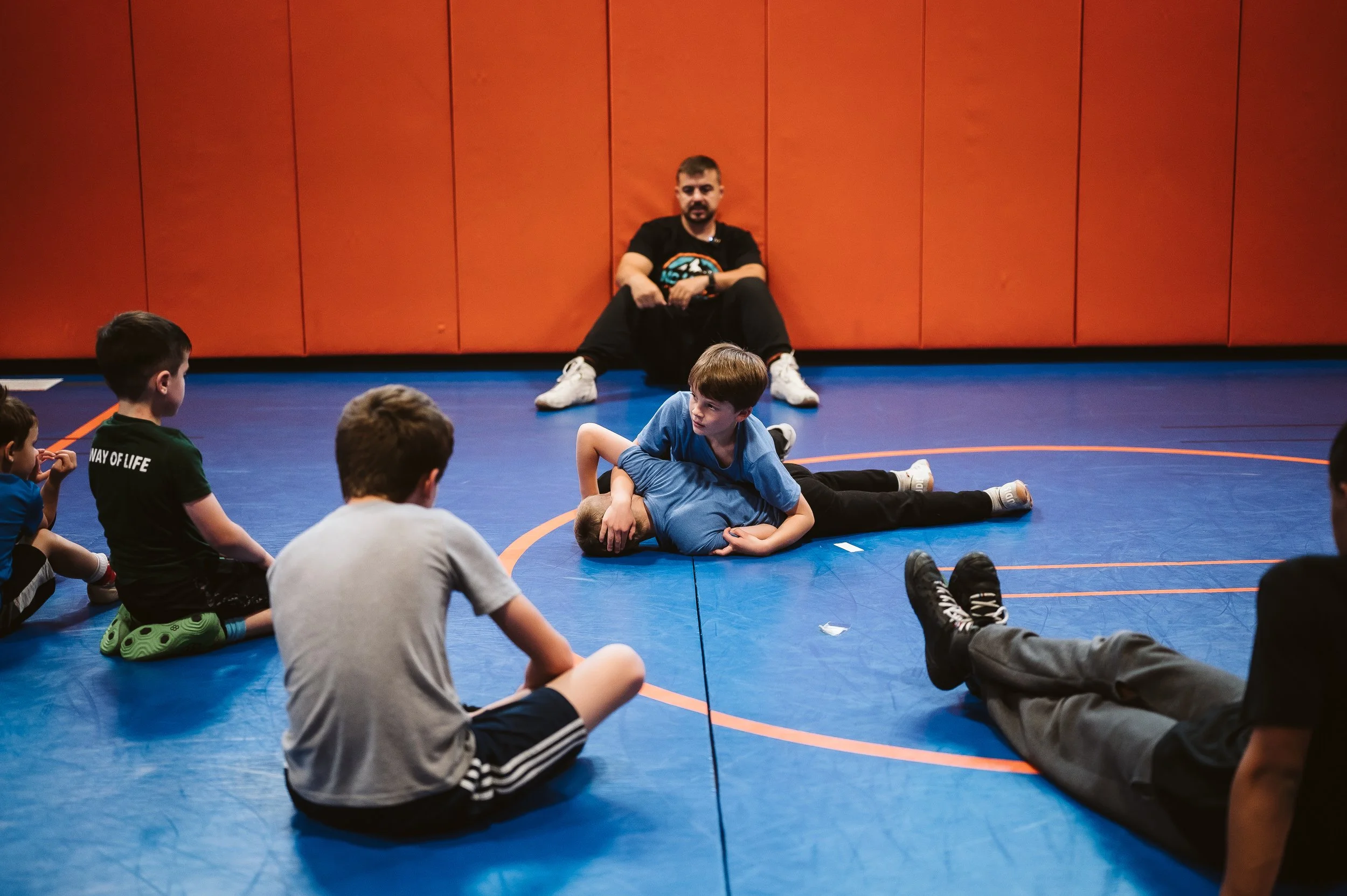
One of the most common sources of tension in youth sports is a mismatch between adult expectations and a child’s developmental ability to understand effort, responsibility, and outcomes.
Ages 0–6:
Children in early childhood do not reliably understand the relationship between sustained effort and long-term outcomes. Thinking is immediate and emotionally driven. Success and failure are interpreted primarily through adult reaction rather than performance logic. Sport at this stage should emphasize movement, play, listening, and basic skill exposure. Expectations related to winning, consistency, or accountability for outcomes are not developmentally appropriate.
Ages 7–9:
During this stage, children begin to understand that effort influences results, but this understanding remains inconsistent. Short-term cause-and-effect relationships are recognizable, while losses often feel personal. Adult reactions strongly shape whether effort feels empowering or threatening. Expectations should focus on effort, attitude, and learning rather than comparison or outcome.
Ages 10–12:
Children become more capable of understanding delayed gratification, goal progression, and the idea that consistent effort produces improvement. Emotional regulation is still developing, and setbacks may feel overwhelming without support. Accountability and goal-setting are appropriate when tied to controllable behaviors rather than results.
Ages 13 and Up:
Adolescents are generally capable of reflecting on effort, preparation, and performance with greater clarity. Expectations around discipline, commitment, and ownership are appropriate when paired with autonomy and emotional support. Excessive pressure at this stage remains a strong predictor of burnout and dropout (Fraser-Thomas et al., 2008).
The Parent’s Role: Emotional Safety Over Evaluation
Across developmental stages, athletes benefit most when parents provide emotional safety rather than performance evaluation. Research consistently shows that athletes who perceive parental support as calm, unconditional, and process-focused report higher confidence, enjoyment, and long-term engagement (Gould et al., 2008). Emotional regulation is still developing in youth athletes, and they rely on adults to help stabilize high-pressure moments (Gross, 1998).
Practical Guidelines for Support Without Suffocation
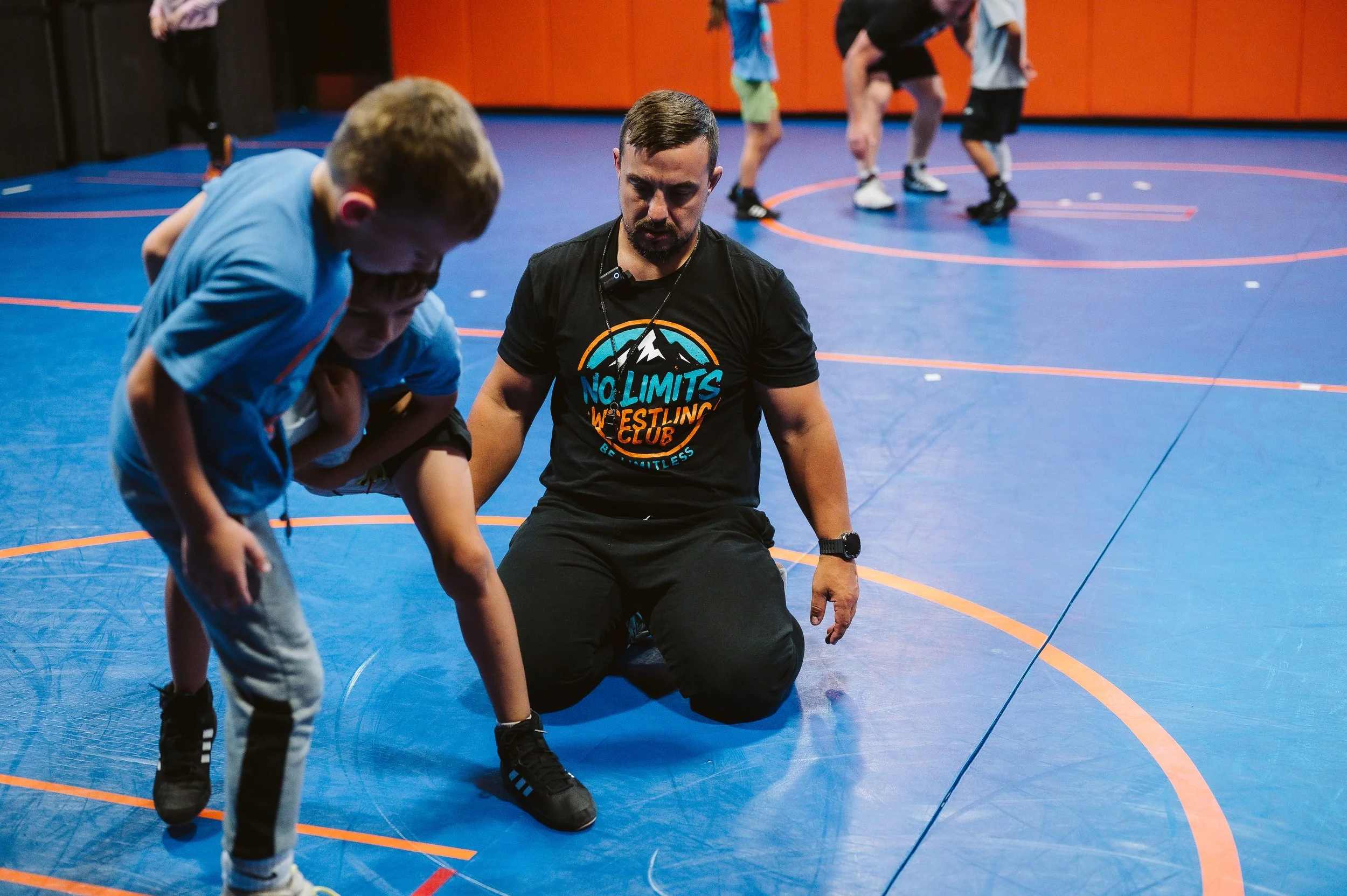
Before competition, communication should be brief and neutral, emphasizing effort and preparation rather than outcomes. During competition, emotional steadiness communicates confidence and trust. After competition, the priority should be connection rather than correction. Athletes are not cognitively prepared for detailed feedback immediately following high-stress performances (Knight et al., 2010). Coaching conversations are most effective when delayed or left to the designated coach.
Why This Matters Long-Term
Youth sports are often discussed in terms of performance and opportunity, but the most enduring outcomes are relational and psychological. Athletes may forget specific matches, but they retain lasting memories of how they felt around their parents during moments of success and failure (Knight & Holt, 2014). When parents focus on providing stability rather than pressure, sport remains a place for growth rather than fear.
Support fuels development. Pressure accelerates withdrawal. The difference is not effort, but awareness.
Want support for your athlete — and guidance for you as a parent?
Learn more about Elite Mindset Training or request a parent consultation with a Limitless Performance coach. We help families reduce pressure, build confidence, and support long-term athlete development.
Prefer email? Contact us directly at strongwithlimitless@gmail.com .
References & Further Reading
One of the most effective ways parents can invest in their child’s athletic and personal development is by building their own understanding of how children think, regulate emotion, and respond to pressure at different stages of development. Education helps parents align expectations with their child’s cognitive and emotional capacity, reducing unnecessary stress while supporting long-term growth. The following resources provide research-based insight into youth development, sport psychology, motivation, and parental influence, and are intended to support parents who want to be informed partners in their child’s journey rather than additional sources of pressure.
Côté, J., Baker, J., & Abernethy, B. (2007). Practice and play in the development of sport expertise. In G. Tenenbaum & R. C. Eklund (Eds.), Handbook of sport psychology (3rd ed., pp. 184–202). Wiley.
Deci, E. L., & Ryan, R. M. (2000). The “what” and “why” of goal pursuits: Human needs and the self-determination of behavior. Psychological Inquiry, 11(4), 227–268. https://doi.org/10.1207/S15327965PLI1104_01
Dorsch, T. E., Smith, A. L., & McDonough, M. H. (2009). Parents’ perceptions of child-to-parent socialization in organized youth sport. Journal of Sport & Exercise Psychology, 31(4), 444–468. https://doi.org/10.1123/jsep.31.4.444
Fraser-Thomas, J., Côté, J., & Deakin, J. (2008). Understanding dropout and prolonged engagement in adolescent competitive sport. Psychology of Sport and Exercise, 9(5), 645–662. https://doi.org/10.1016/j.psychsport.2007.08.003
Gould, D., Lauer, L., Rolo, C., Jannes, C., & Pennisi, N. (2008). The role of parents in tennis success: Focus group interviews with junior coaches. The Sport Psychologist, 22(1), 18–37. https://doi.org/10.1123/tsp.22.1.18
Gould, D., Tuffey, S., Udry, E., & Loehr, J. (1996). Burnout in competitive junior tennis players: I. A quantitative psychological assessment. The Sport Psychologist, 10(4), 322–340. https://doi.org/10.1123/tsp.10.4.322
Gross, J. J. (1998). The emerging field of emotion regulation: An integrative review. Review of General Psychology, 2(3), 271–299. https://doi.org/10.1037/1089-2680.2.3.271
Harwood, C. G., & Knight, C. J. (2009). Understanding parental stressors in youth sport: A qualitative investigation of British tennis parents. Journal of Sports Sciences, 27(4), 339–351. https://doi.org/10.1080/02640410802603871
Hellstedt, J. C. (1987). The coach/parent/athlete relationship. The Sport Psychologist, 1(2), 151–160. https://doi.org/10.1123/tsp.1.2.151
Knight, C. J., Boden, C. M., & Holt, N. L. (2010). Junior tennis players’ preferences for parental behaviors. Journal of Applied Sport Psychology, 22(4), 377–391. https://doi.org/10.1080/10413200.2010.495324
Knight, C. J., & Holt, N. L. (2014). Parenting in youth sport: A position paper on parenting expertise. Journal of Sport Psychology in Action, 5(2), 61–71. https://doi.org/10.1080/21520704.2014.905465
Mageau, G. A., & Vallerand, R. J. (2003). The coach–athlete relationship: A motivational model. Journal of Sports Sciences, 21(11), 883–904. https://doi.org/10.1080/0264041031000140374
Ommundsen, Y., Roberts, G. C., Lemyre, P. N., & Miller, B. W. (2006). Peer relationships in adolescent competitive sport: Associations to perceived motivational climate, achievement goals, and sport participation. Psychology of Sport and Exercise, 7(6), 569–584. https://doi.org/10.1016/j.psychsport.2006.03.003
Passer, M. W. (1983). Fear of failure, fear of evaluation, perceived competence, and self-esteem in competitive children. Journal of Sport Psychology, 5(2), 172–188. https://doi.org/10.1123/jsp.5.2.172
Ryan, R. M., & Deci, E. L. (2017). Self-determination theory: Basic psychological needs in motivation, development, and wellness. Guilford Press.
Sagar, S. S., & Lavallee, D. (2010). The developmental origins of fear of failure in adolescent athletes: Examining parental practices. Psychology of Sport and Exercise, 11(3), 177–187. https://doi.org/10.1016/j.psychsport.2010.01.004
Scanlan, T. K., & Lewthwaite, R. (1986). Social psychological aspects of competition for male youth sport participants: IV. Predictors of enjoyment. Journal of Sport Psychology, 8(1), 25–35. https://doi.org/10.1123/jsp.8.1.25
Smoll, F. L., & Smith, R. E. (2002). Children and youth in sport: A biopsychosocial perspective. Kendall/Hunt Publishing.
Vealey, R. S. (2007). Mental skills training in sport. In G. Tenenbaum & R. C. Eklund (Eds.), Handbook of sport psychology (3rd ed., pp. 287–309). Wiley.
Wuerth, S., Lee, M. J., & Alfermann, D. (2004). Parental involvement and athletes’ career development in youth sport. Psychology of Sport and Exercise, 5(1), 21–33. https://doi.org/10.1016/S1469-0292(02)00047-X
